Before the Storm

On Monday morning, November 4th I felt the uncertainty of the storms that were on the horizon. How soon, and how severe would they be? But that was the future, and beyond my doing anything about. A good alternative was to be in the present, and also in the presence of trees, soil, and other living things. What could be as trustworthy and reassuring as nature? There are some people in my life like that, and they are essential. There are also places like that, and I’m grateful for them.

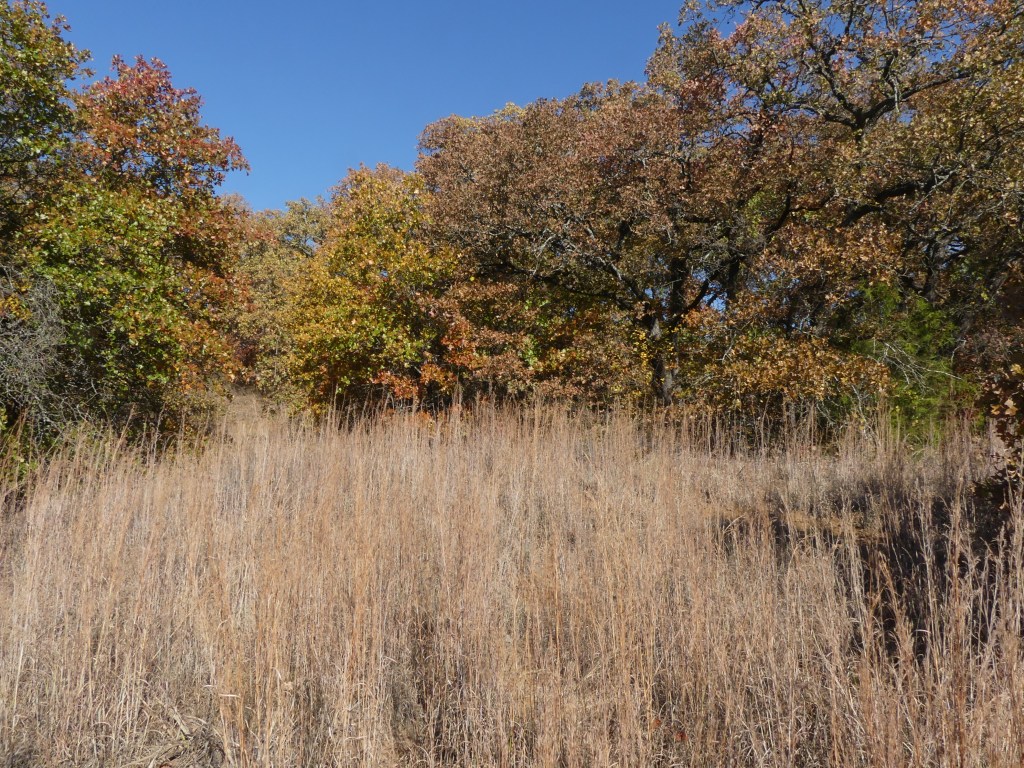
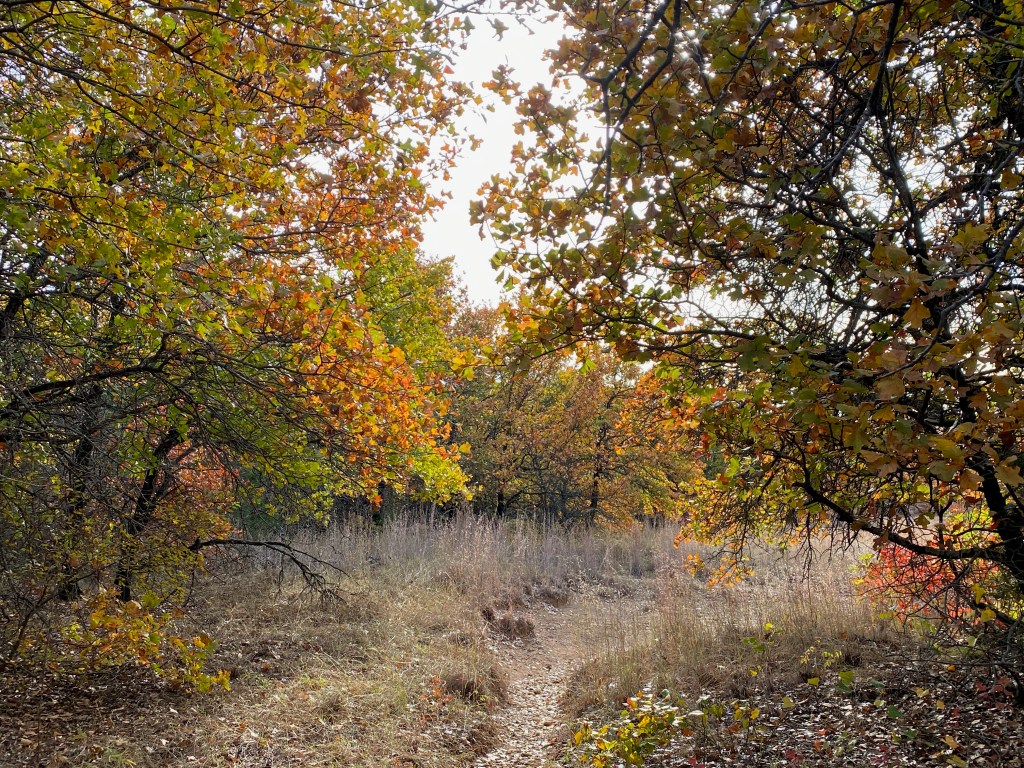
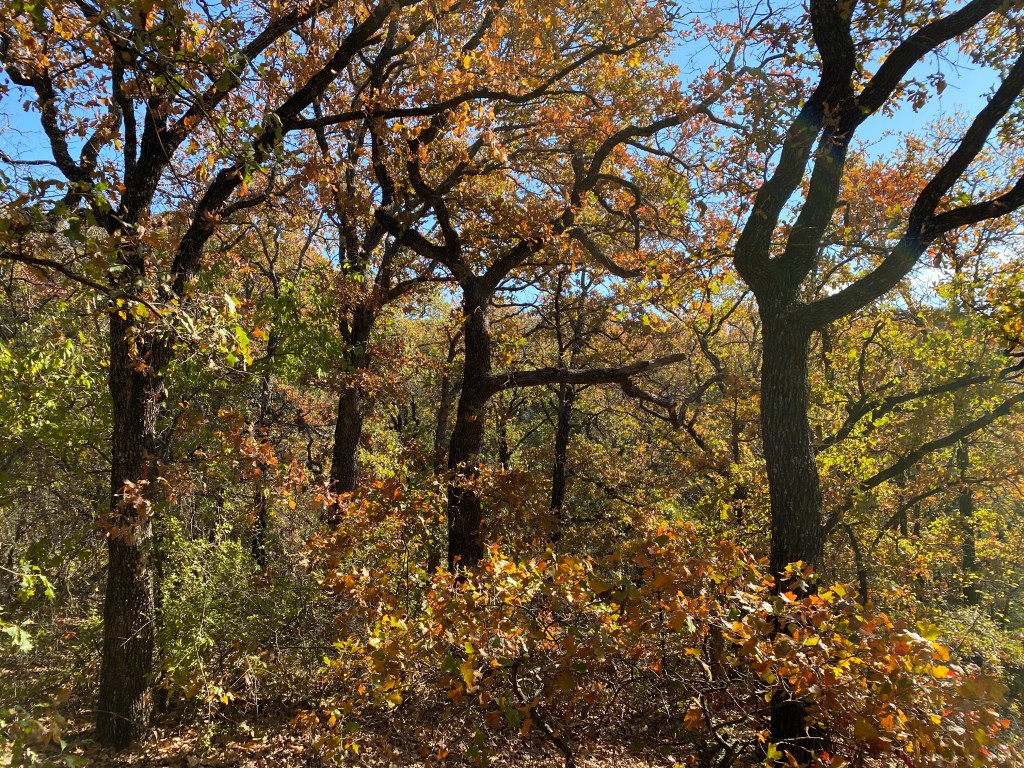
Oak leaves covering the trail – the oaks are dropping leaves without showing much autumn color

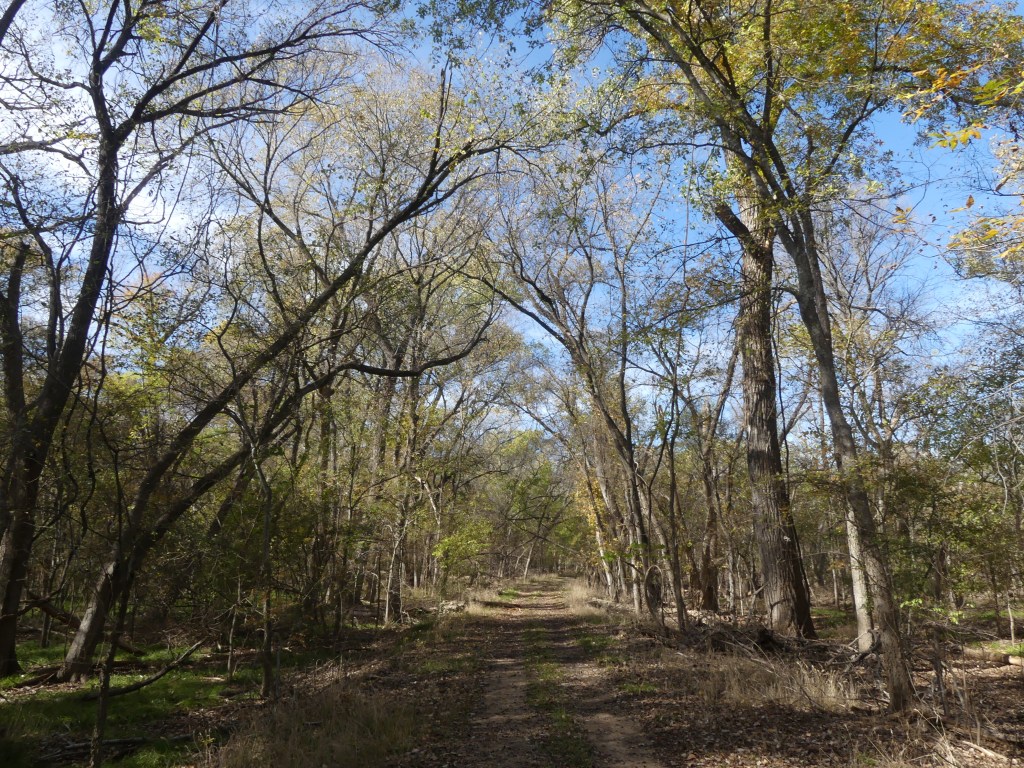
So, with storms still to the west, I took a walk at Sheri Capehart Nature Preserve. It was cloudy, with low cumulus clouds racing to the north and the occasional glimpse of blue sky between them. A couple of black vultures were overhead, careening back and forth in the wind with acrobatic turns and adjustments of flight feathers. From my camp stool near the bluff, it was 75.3F, continuing the above-average warmth that is becoming our new normal.

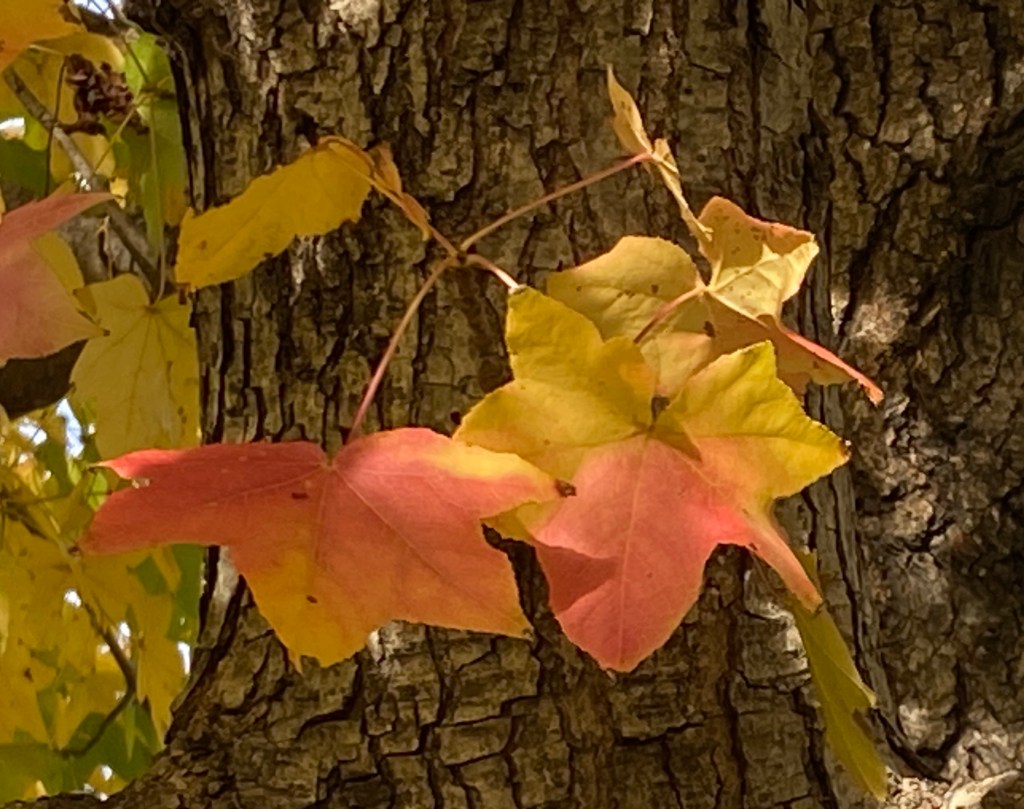
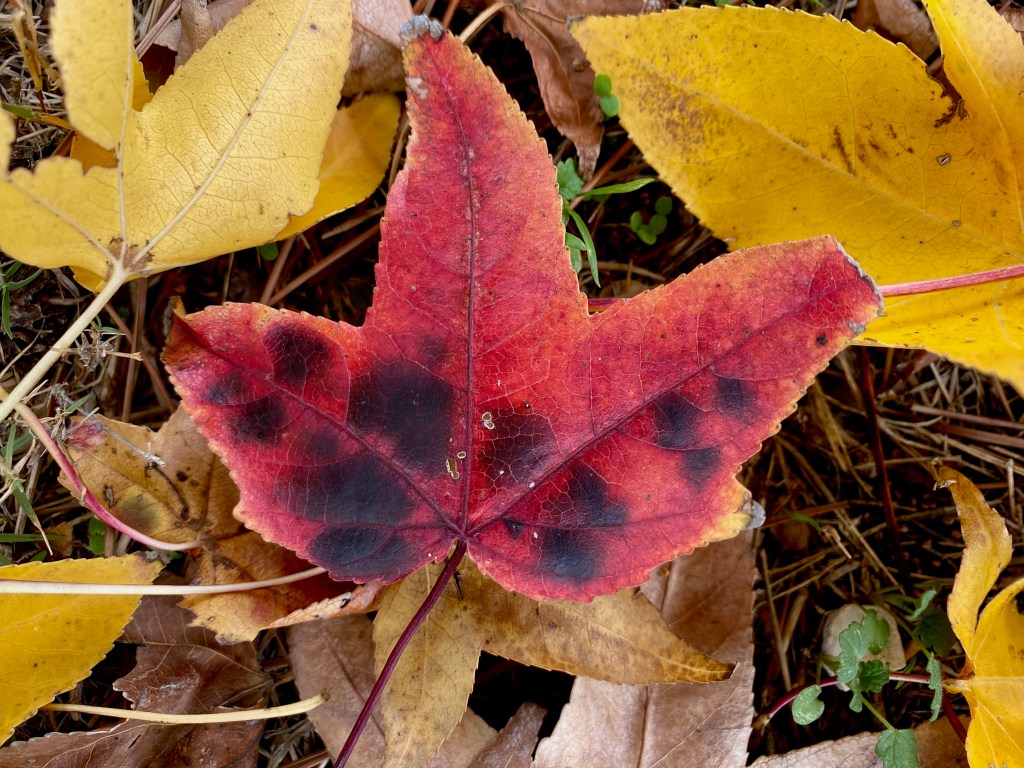
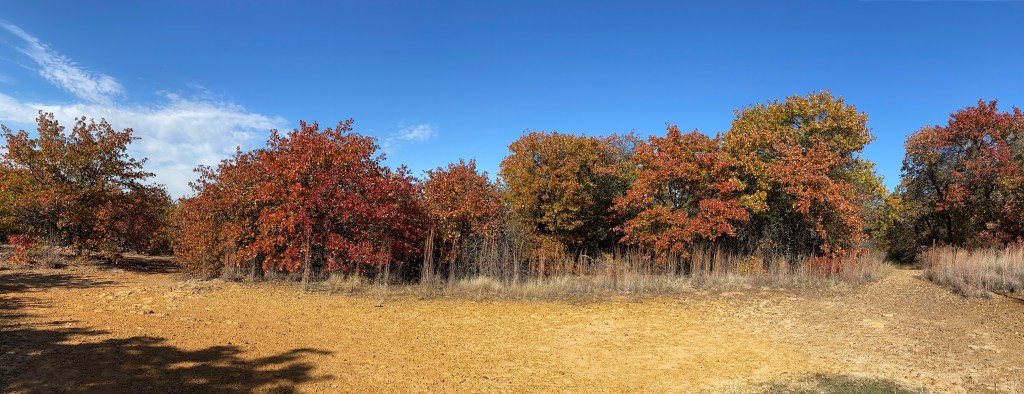
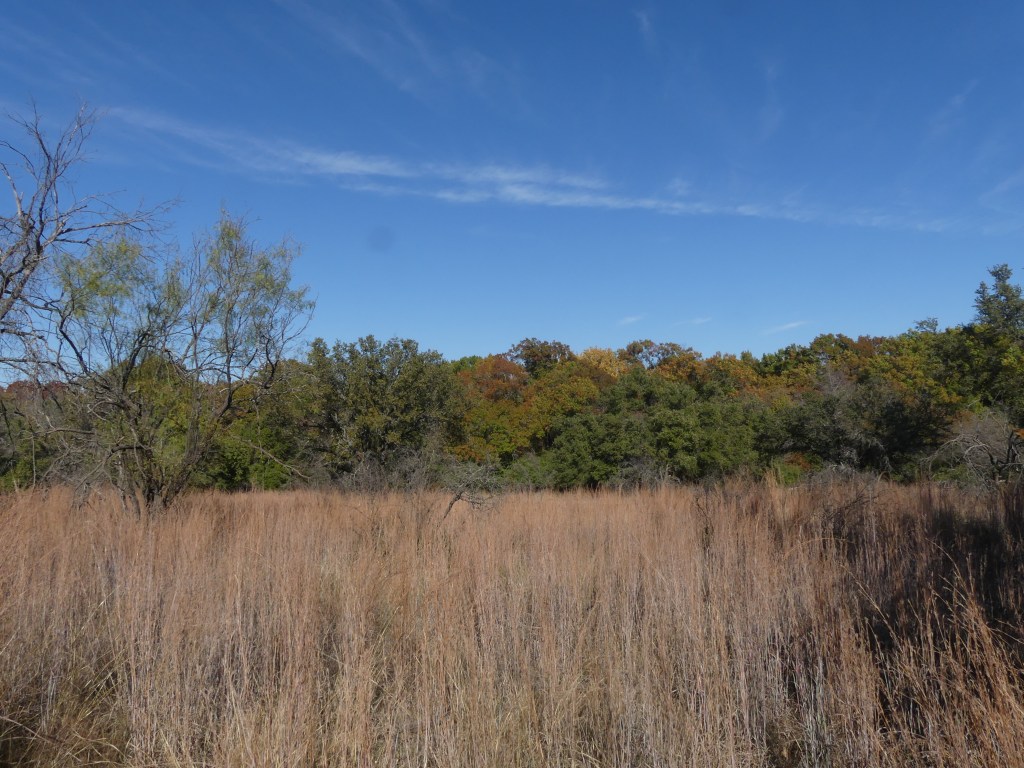
The “official” autumn colors: crimson and orange, yellow and green

At 9:20am I sat near the top of “Kennedale Mountain,” that hill that overlooks the lowland through which Village Creek drains. From the sandstone escarpment you can glimpse downtown Fort Worth through the oak branches, if you want to. I’d rather keep in the company of the blackjack oaks and sandstone, watching clouds or butterflies. Away from the bluff, on the back side of the hill is a place a bit more protected from traffic noise, where fewer visitors walk, and so it is a favorite with me.

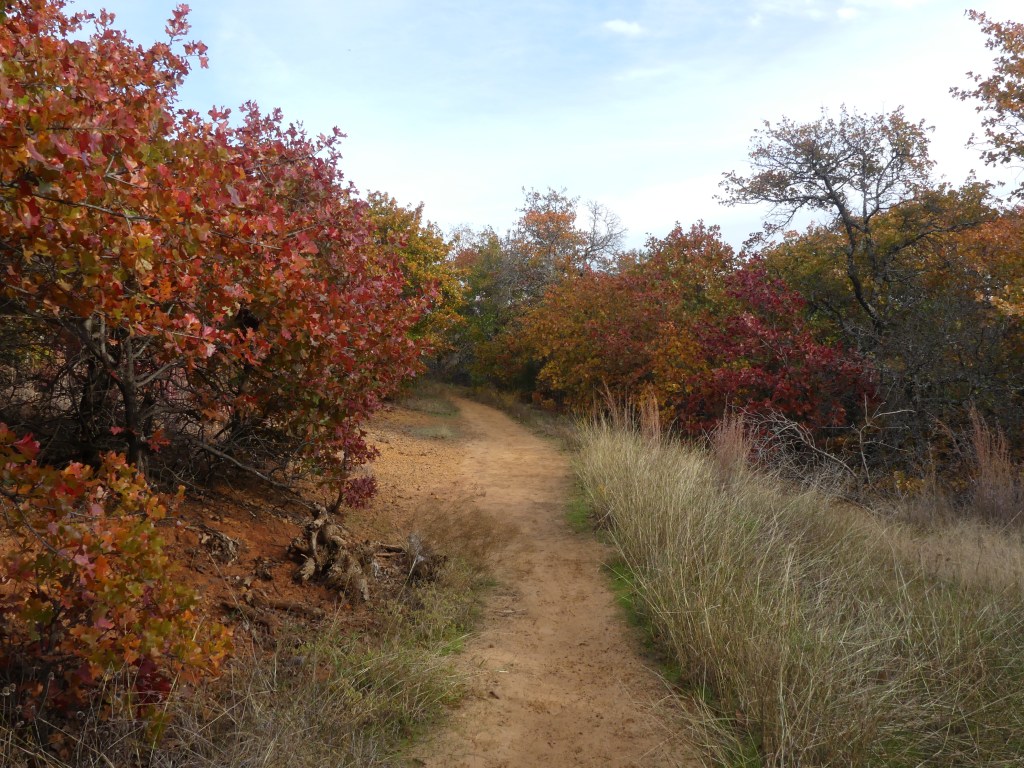
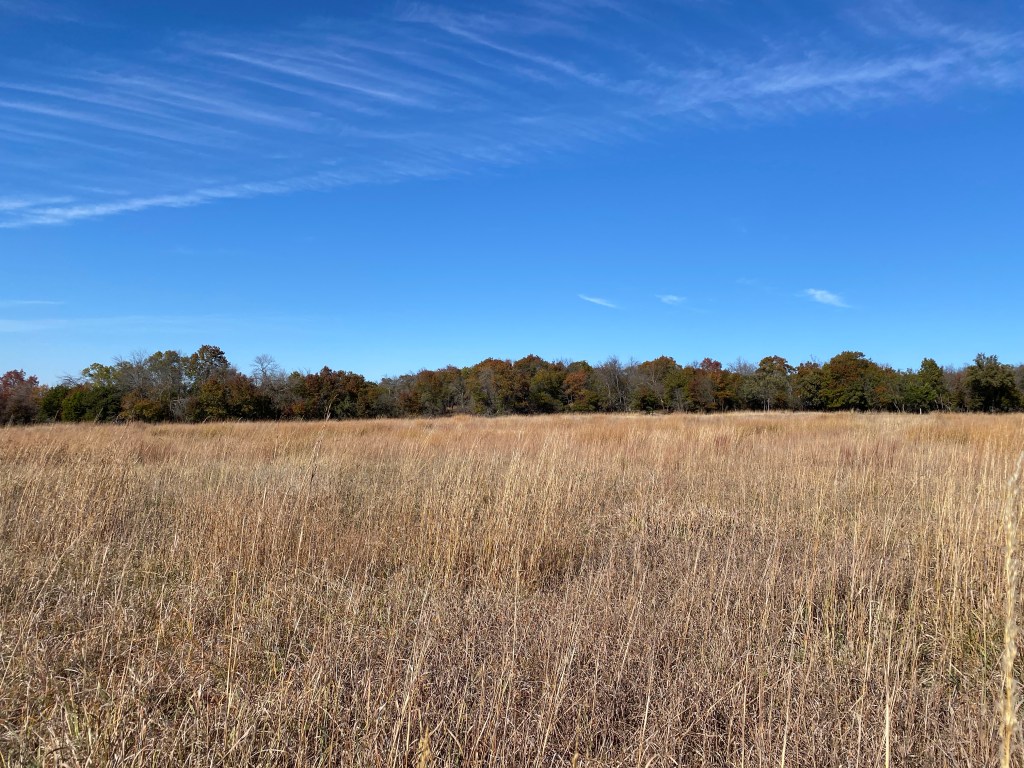
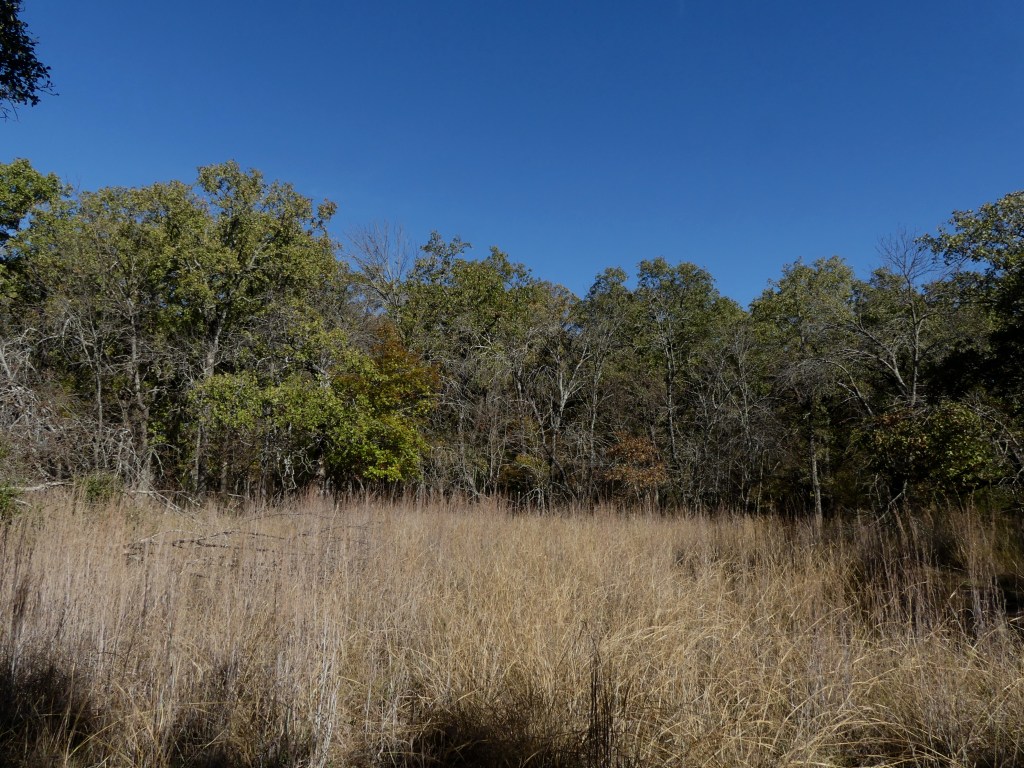
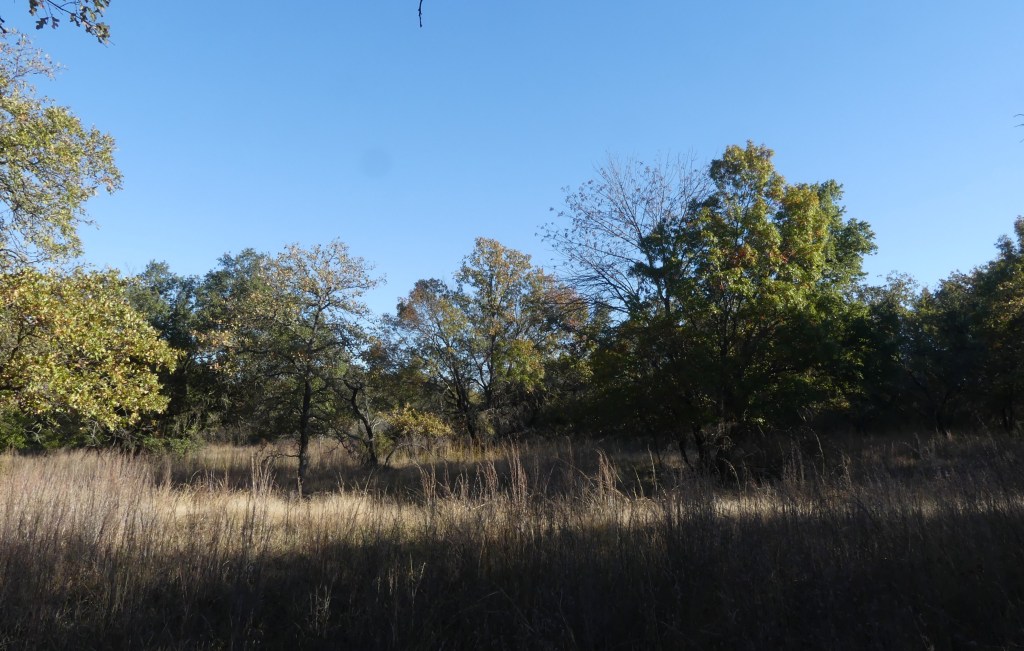
A place a little quieter, maybe a little wilder than other locations

As I sat, a crow flew past, cawing loudly, and clouds continued streaming to the north. The wind moved through the trees, and when stronger pulses of air came through the sound was like a rushing river. Downslope toward the east I heard a northern cardinal and a Carolina wren.

Some of us need natural sounds like these, and relief from the unremitting mechanical noises that so often mask them. The noises of human activity are certainly present at the preserve, as it is located a little south of the third-busiest airport in the world and sits right beside major highway construction. But some days, when we let go of the noise and focus on birds, breeze moving the trees, or the occasional frog calls, we get a little of the peace that natural sounds bring.

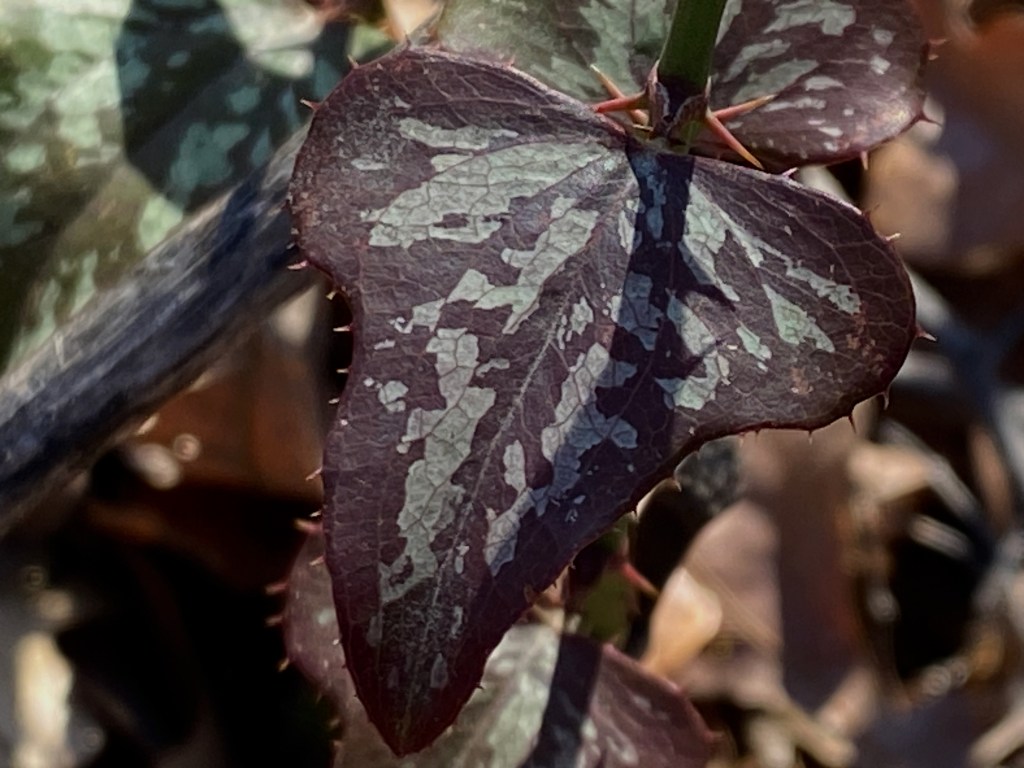
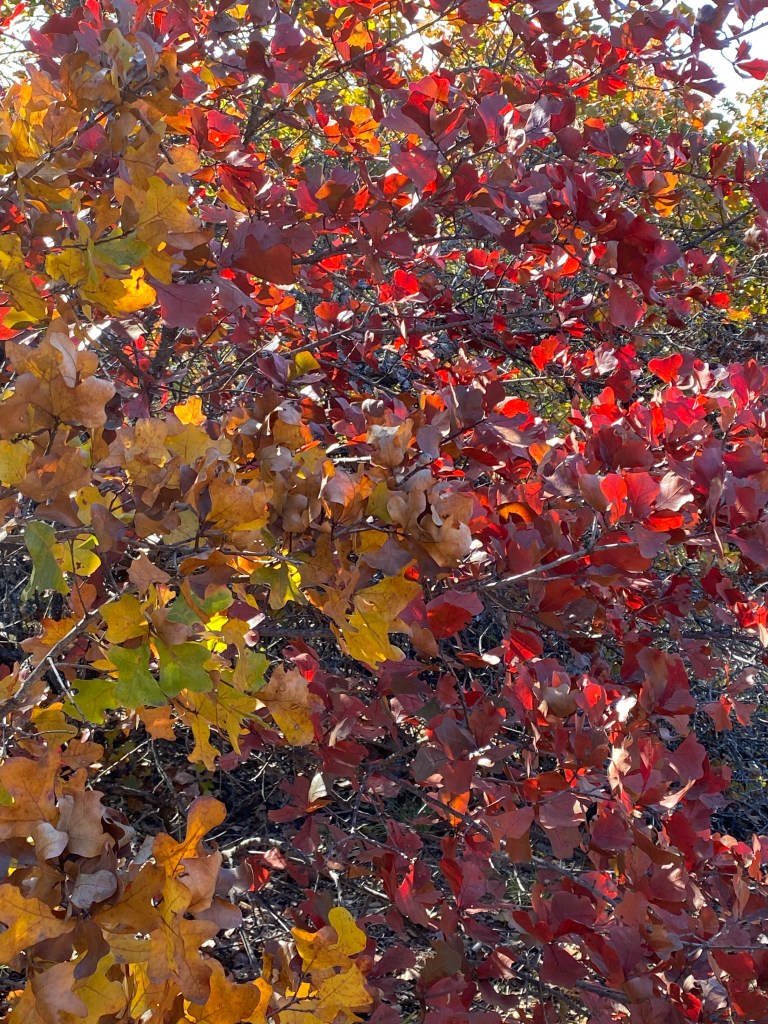
A tracing of green in the crimson leaves of a ragged sumac

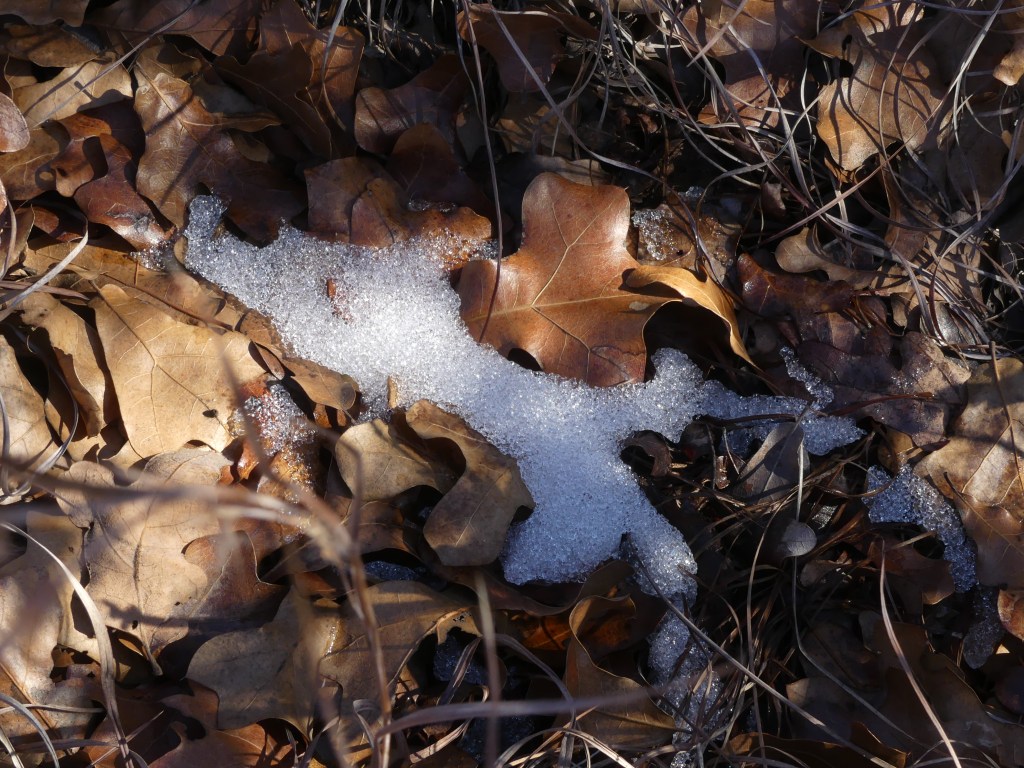
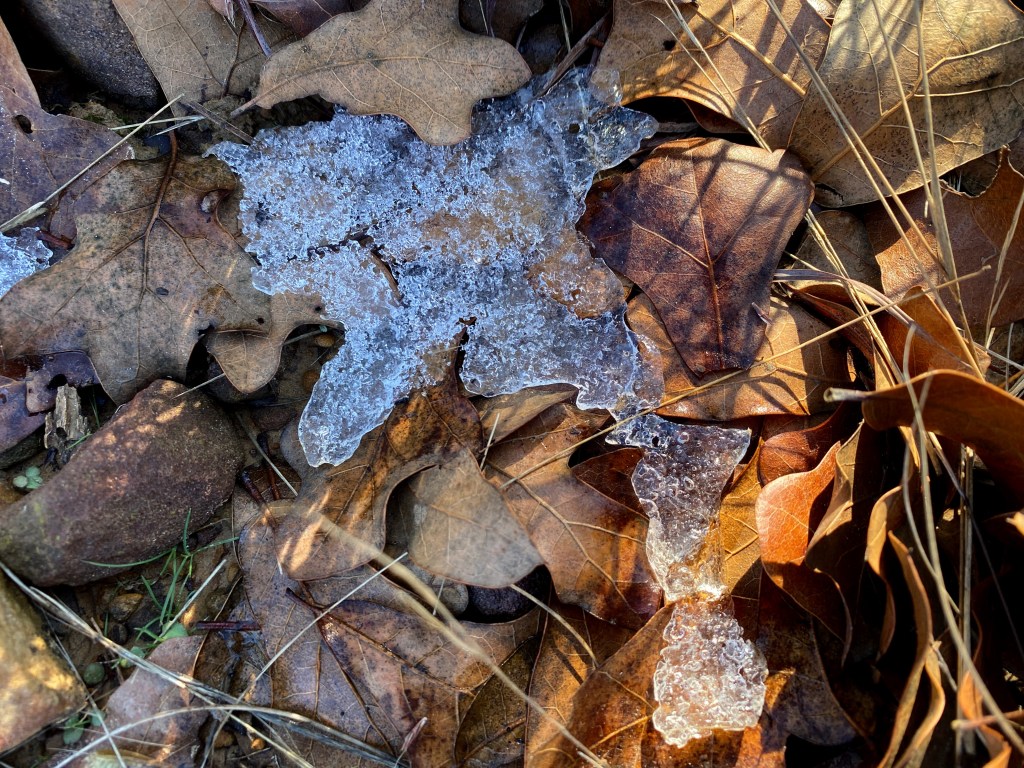
By 9:50am, back over on the bluff, the clouds seemed thicker and the sky a little darker. Here and there I noticed the pattern of fallen leaves on the ground; the variation in color and shape and things like acorns or moss always pull me in. It is art on a tiny scale, for those who are pulled toward such things.

The storms held off until after I left at 10:13am, and we can hope that they bring only the rain we need. A little thunder is always good – one of those natural sounds I like so much. Just under two hours at the preserve had brought some of the peace and wonder that are part of that place.

Preserving the FW Nature Center and Refuge

I’ve lived in North Texas for a long time, and the Nature Center and I go back many years. In the opening pages of Mindfulness in Texas Nature, the very first words are, “I went home on Christmas Eve 2019 to the Fort Worth Nature Center and Refuge.” I meant that those prairies and woodlands have shared so many days with me over the years that it feels like home. And so, sitting on a bench there on Christmas Eve was like visiting an old friend.

And the very first words in Herping Texas (published 2018) bring back a memory of surveying the reptiles and amphibians there: “Toward the end of March a few years back, a group of us took a walk through a bottomland forest at the Fort Worth Nature Center and Refuge.” I described the group of us walking through that forest and one member of the group accidentally discovering a rat snake making its way down the tree trunk where she was about to lean.

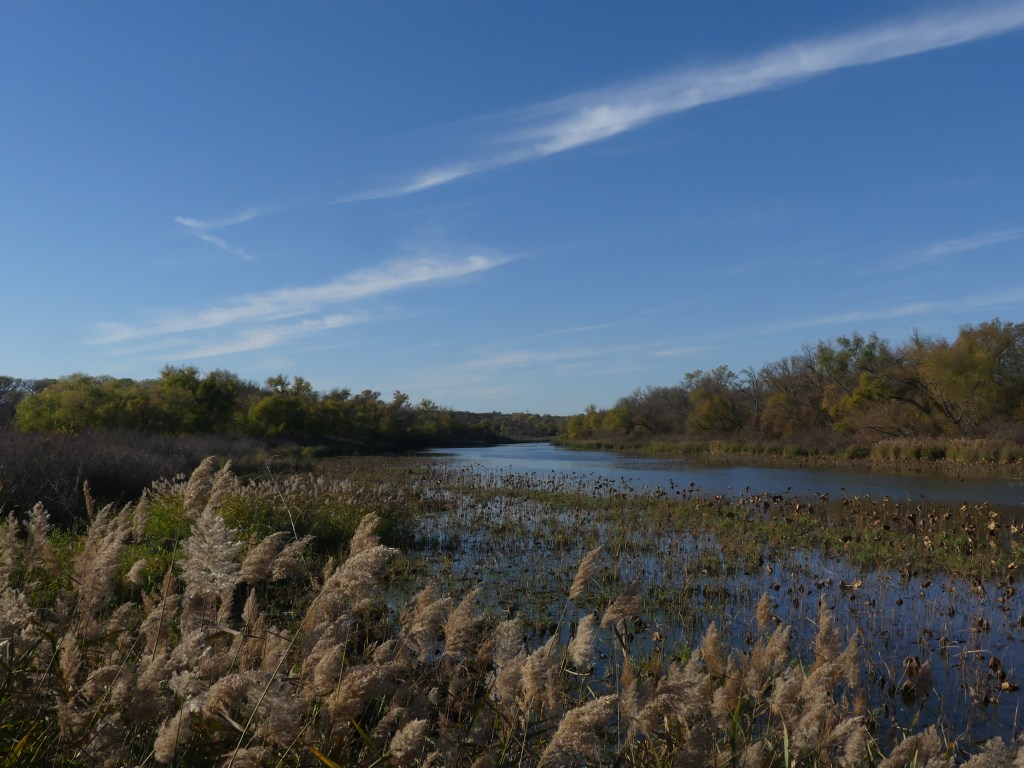
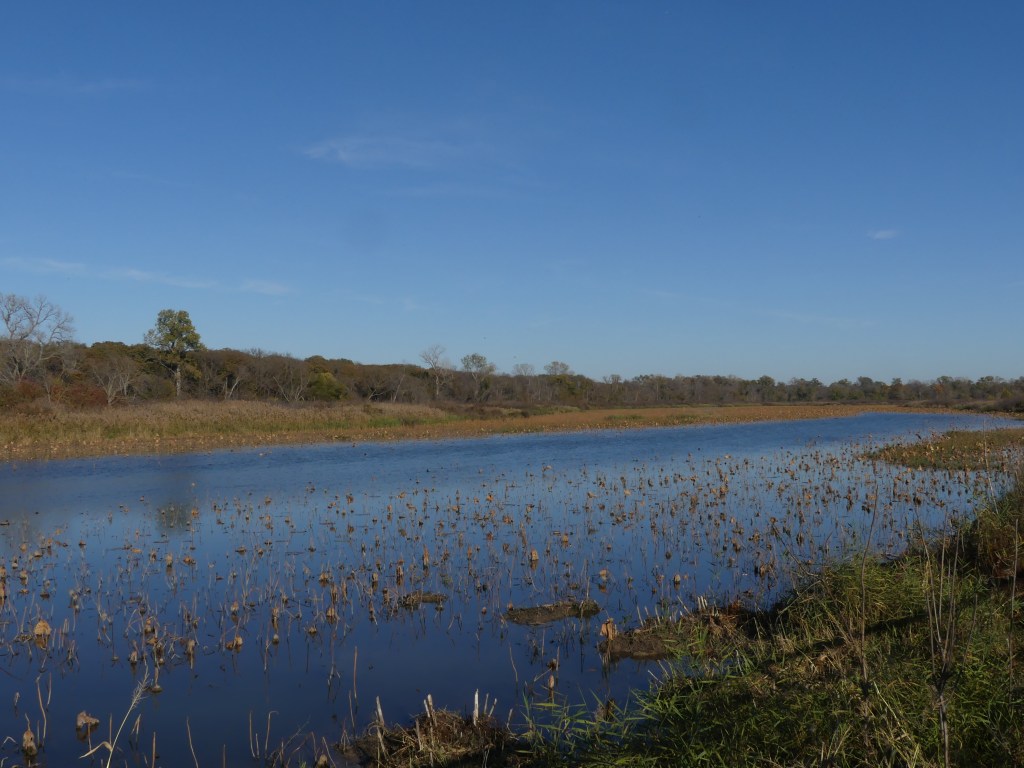
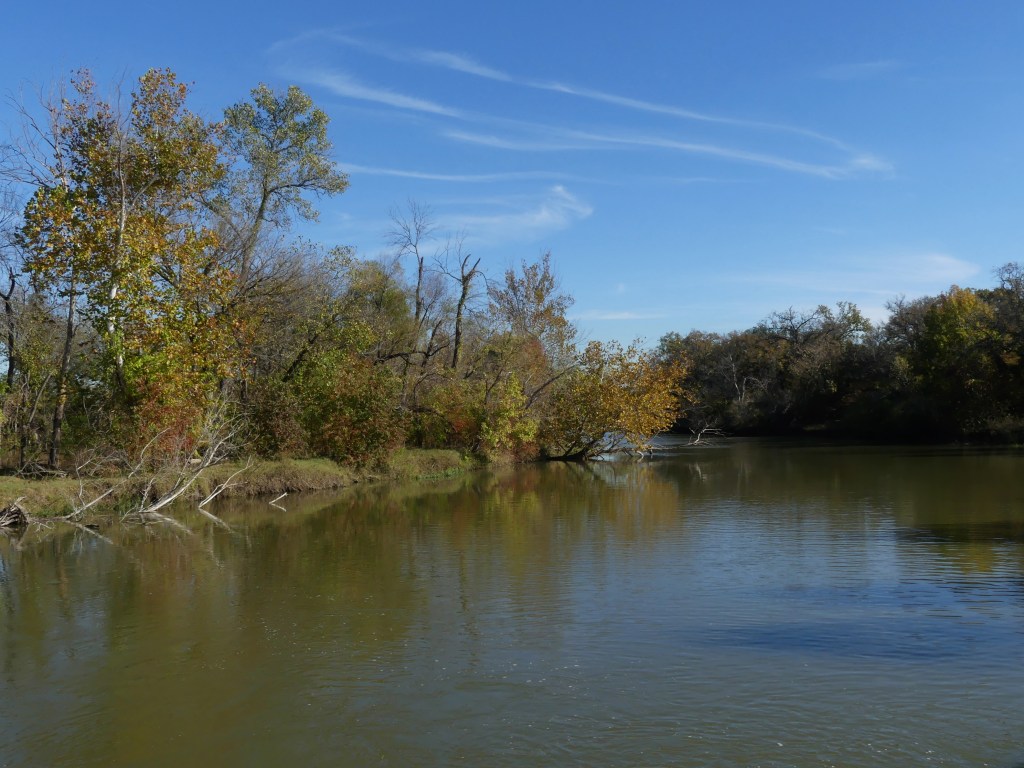
Flooded bottomland

In recent years I have written about the place many times for the online publication Green Source DFW. As a reporter I’ve covered the re-building of the marsh boardwalk, the bison deck overlooking bison pastures, the recognition of some of its woodland as an old growth forest, the statue honoring the work of the Civilian Conservation Corps on refuge property, and the re-introduction of prairie dogs there.

Now the City of Fort Worth is considering handing over the management of the Nature Center to the Botanical Research Institute of Texas (BRIT). The city would still own it, but BRIT would be in charge of some – or all – of its management and direction. I wrote about the issue in an article for Green Source DFW, which I hope you will read – “Should BRIT Take Over the Fort Worth Nature Center?

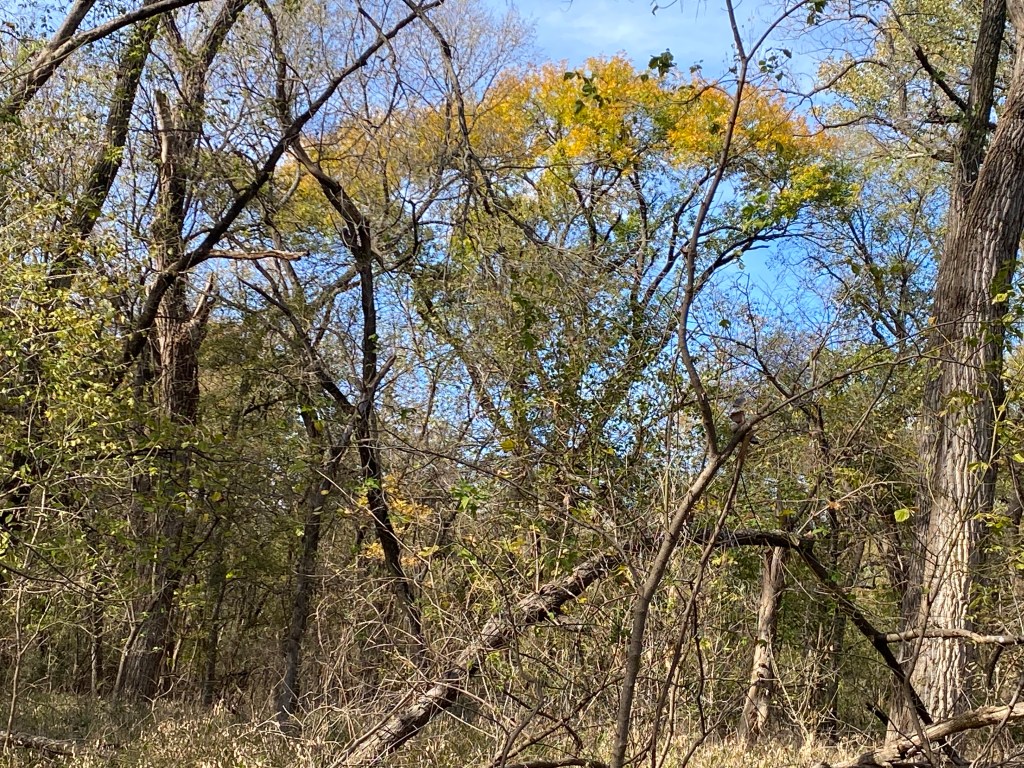
A November hillside at FWNCR

The Fort Worth Nature Center & Refuge (FWNCR) has been managed by a series of dedicated, smart, and creative individuals. At its inception it had the guidance of my friend Rick Pratt, and in later years there have been people like Wayne Clark, Suzanne Tuttle, Rob Denkhaus, and now Acting Manager Jared Wood. Those are big boots to fill, and I hope that any management changes leave such people in charge. They are people whose first commitment is to the integrity of the refuge as a relatively wild remnant of the Cross Timbers and prairies that were here before White settlers.

As I see it, the FWNCR connects us to the wildlife, woods, and prairies that are like our extended family. That family includes the trees and other plants that give us oxygen, pull carbon dioxide out of the air and sink it into the soil, the wetlands that filter our water, the insects that pollinate our crops. The land, water, and all the living things provide a spark of wonder that adds joy to our lives. 

A swallowtail at the edge of the lotus marsh

When we walk through the preserve, we become part of the land for a little bit, sharing a kinship with the rest of nature. We might even come to see our separation from nature as an illusion that we create, while the woods and prairies are the authentic reality.

What does the future hold? Can that authentic reality of the refuge hold its own against the urge to build more and more attractions, drawing in so many paying customers that the wildness is gone? We want everyone to share the refuge, learn from it, and fall in love with it. But not everyone all at once, and not by offering so many built attractions that people miss the point, which is the wildness.

I hope you will read my story at Green Source DFW and keep track of plans for what direction the city will take with FWNCR. Please step up and offer comments when the time comes, if you feel that your input is needed (and input from those who love nature is always needed!).

Talking About Mindfulness on The Texas Green Report

Last month I was on the Memnosyne Institute’s Texas Green Report talking with Marshall Hinsley about Mindfulness in Texas Nature, the book I wrote with Meghan Cassidy’s photographs. I hope you’ll click on the Texas Green Report link and listen to the podcast episode.

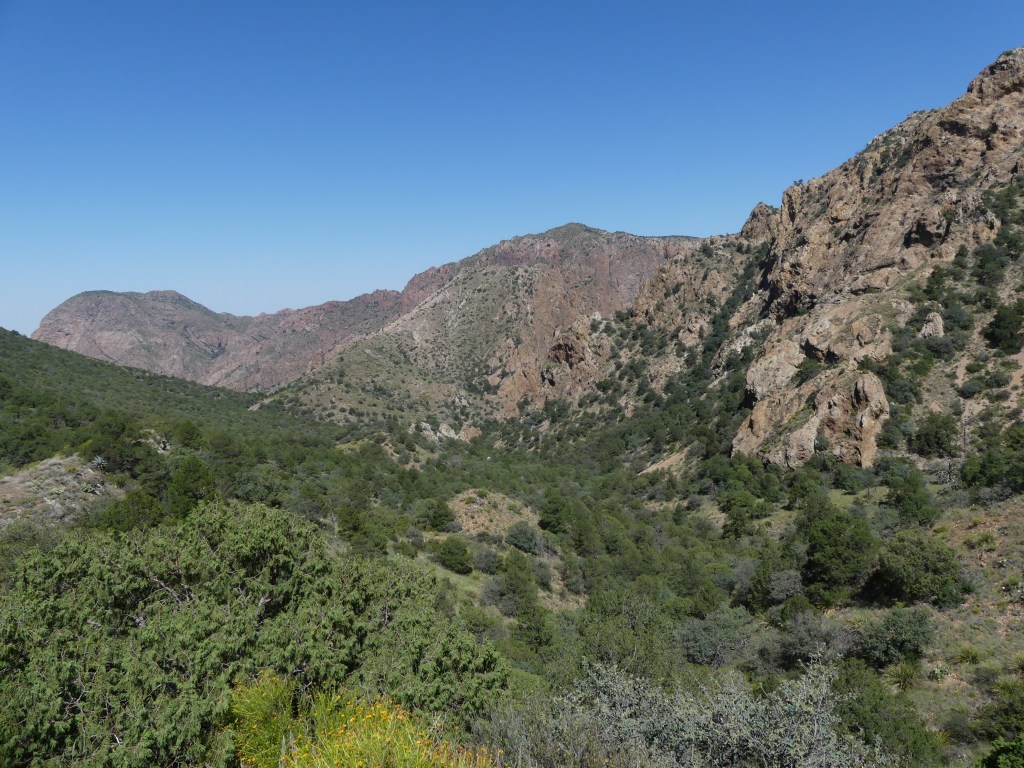
Meghan and I traveled all over the state, experiencing places like Pedernales Falls or the Chisos Mountains. The book describes what the experience was like from a mindfulness perspective and offers lots of photos of places and wildlife.

As I mentioned in the podcast (quoting from the book’s introduction), it is about ways to be fully present when visiting those places, freed from the distractions and restlessness that can let the sights, sounds, smells, and other sensations slip past us before we really notice.

Additionally, I discussed the book with Christine Brown (of Texas A&M University Press) on her PBS show, “The Bookmark.” The show aired in August but you can watch it by clicking the link above.

The podcast and the TV interview each gave me an opportunity to answer questions about why such a book was needed and what Meghan and I hoped to accomplish with it. But really the only way to get to know it is by reading it while immersed in Meghan’s wonderful photos.

Meghan’s photo of moonrise over a ridge near Terlingua in the Big Bend region

It All Depends on Us

All the things I write about here are on the line. Our lives, in nature and in society. All aspects of our lives.

This is a time when speaking up is essential. As individuals, our choices nudge the society a little bit in one direction or another, and sometimes our collective choices make a profound difference. That choice has now arrived. If my voice as a writer and blogger can reach a little past my front door, then there is a moral need for me to speak up. All of us should. 

In a little over a month, our collective choice is between someone profoundly unfit to lead anyone and a person with the knowledge, experience, and wisdom to preserve democracy and the rule of law. And there’s more than just a vote for Kamala Harris, there is the need for a Senate and House not owned by the wealthy and populated with opportunists and wild-eyed autocrats.

It was never my intention to write about politics, and this is not so much about politics as it is a plea for sanity. This is the first time a major candidate has been a con man, a habitual liar, a sexual predator, a fascist, and a person credibly described as a malignant narcissist. My psychology background and common sense tell me that to live (in a household or in a nation) under the control of a malignant narcissist is to be in extraordinary danger. It is to be manipulated, used, harmed, and tossed aside. Those victims are all of us, individually and collectively as a nation, not just hypothetical players on the evening news.

Many of his followers are clamoring for civil war, and some of them attempted a coup when Trump lost the last election. Some of his followers are overt Nazis, and others unquestioningly believe any lie and support any suggestion he makes. 

If there was a need for this to tie in with our lives in nature, there is his promise to “drill, baby, drill,” his rejection of the science of climate change and his call for “raking and cleaning and doing things” as a way to prevent California fires (the environmental equivalent of his lunatic suggestion of injecting bleach as a treatment for COVID), his history of – and future plan for – rolling back environmental regulations and hollowing out the EPA, his offer of a bribe to oil executives if they would give him a billion dollars, and on and on.

The documentation is out there, easily available, and there is no point in my posting it all here and making this a long essay. My plea is for all of us to do what we can to, frankly, elect Democrats in November, not because I’m such a fan of that party but because in this election, they are the party in support of facts, reason, truth, and some commitment to respect the rights of all of us, however imperfectly. 

Part of the authoritarian playbook is to make us all exhausted and unsure of what’s really true or if the facts really matter. If you’re tired of it all, want to push it aside as “just politics,” and you’re ready to skip the election, please don’t. Don’t make this a national suicide. The other side is not just an opposition party, it is an abyss.

Summer is Slipping Away

On Tuesday I took a walk at Fort Worth Nature Center & Refuge, and wrote about it as a “Letter From the Woods.” I took the trail across the demonstration prairie and up the Oak Motte trail a ways, seeing lots of insects, a couple of spotted whiptail lizards, and an eastern phoebe that appeared to divide its time between dropping down and catching insects and moving ahead of me.

I hope you’ll have a look (it’s the September letter that you can download here). And I’d love to hear any thoughts you might have, including whether you’d rather see it as a blog post. There’s just a little about the importance of insects, and E.O. Wilson’s great phrase, “the little things that run the world.” And there’s the dung beetle, whose name might be Sisyphus.

Trinity River Book Festival

My recent book, with photos by Meghan Cassidy, has been the focus of some recent events, including the upcoming Trinity River Book Festival. The book describes the benefits of spending time in nature, in particular when practicing mindfulness in the woods, prairies, wetlands, and so on. The second half of the book is about Meghan’s and my travels to various places in Texas, what it was like to experience those places mindfully, and a little of the natural history of the places and some of their wildlife.

I will be at Trinity River Book Festival this Saturday, September 14, from about 11am to 1pm. There will be a panel at 12:00 noon featuring me, Amy Martin (author of Wild DFW) and T.D. Motley (author of The Art of Farming), and moderated by Dana Austin.

The panel is titled “Discovering the Hidden Wonders of Texas Wildlife,” and I think the way that works is that Amy will talk about places around the metroplex where you can see hidden wildlife and I will talk about being there mindfully so that you might really notice the wildlife and experience it more fully. Motley’s book is a novel, “a hopeful tale about stewardship of the land, the animals, and of each other,” according to Texas A&M University Press.

The panel length is short, but I’ll be around and The Dock Bookshop, the official bookseller for the event, will have some copies you can buy. I’ll be glad to sign it, if you like. Come say “hi”!

The Festival is held in Trinity Park, 2301 West Seventh Street, Fort Worth.

Letters to Nature Kids – When We Feel Fear

I write to older kids, and to the kid in all of us, when I write Letters to Nature Kids. Usually the letter describes a place in nature or the wildlife and plants found there. Sometimes I touch on themes having to do with the lives we lead within. I did that this time in the September issue.

What I wrote was triggered by the recent school shooting, but it’s broader than that. We hear reports that children are going through unusually tough times with stress and depression, which you can look into here, here, and here. Bullying affects many kids, and can have very serious effects. And there is our agonizing lack of effective response to school shootings, which leave survivors traumatized.

So the current letter to nature kids talks briefly about when we experience fear, how it is healthy to acknowledge it and support friends and family who are worried or afraid, and there’s also a couple of paragraphs about how nature can be helpful. It is a free download on the Letters to You page.

Sunset in an Urban Oasis

As Fort Worth grew, with buildings and highways proliferating, a little patch of the east side remained in a natural state. Much of it is dominated by hills and ridges, making it less attractive to developers. Over the years it was sometimes treated as a dump and also as a playground for recreational vehicles, but the native grasses, flowers, juniper, and lots of other life persisted. Finally, it was recognized and protected as a Fort Worth treasure, Tandy Hills Natural Area.

Yesterday, at the end of a hot August day, I took a walk there with my friend Kat as the sun sank toward the city skyline. We followed those beautiful limestone trails through native grasses and the stalks of the past spring’s basketflower, over patches of prairie and along the ridge.

A checkered setwing

Kat is an ideal person to take a walk with, to share these hills with. We talked about absent friends and missing their presence, and we talked about the dragonflies and the succession of prairie plants around us. Snow on the prairie is starting to make its late summer appearance, and the little bluestem is beautiful as always. Kat and I discussed how we look for the myriad subtle colors of this grass, pastel blue-green with a few scattered suggestions of almost-violet. On a previous walk I told her that I’ve described those tall thin stems as “vertical brush strokes” on the prairie’s canvas and complained that I had no other way of describing little bluestem. She immediately suggested, “icicles,” and yes, they are like upside-down thin icicles!

Hardly anything allows a person to unwind and become content and restored like a walk at the end of the day in a place like this, with a friend like this. The shadows lengthened and the heat diminished, and there was always something wonderful to pull us around the next bend of the trail. However, our plan for the evening brought us back to the top of the ridge just at 8:10pm as the orange disk of the sun touched the horizon. Having found a quiet place to sit, we wordlessly watched what unfolded.

It took five minutes for the sun to disappear beyond the horizon, and it continued to illuminate the streaks of cloud in red, orange, and pale yellow. A good, fairly steady breeze blew across the ridge as we sat. The pale, almost pastel blue sky shaded deeper blue to the south, where the half-moon shone in the sky.

As light faded, we could see the rocky limestone path in front of us bend and disappear behind the taller dried plant stalks and the green growth near the ground. The ground dropped away and there was a dark sea of green tree tops beyond, stretching out toward the city.

It struck me that the clouds near the horizon rippled and waved in bright sunset colors like waves on water somewhere. And then the angle of the sun hit the clouds in a particular way for one more bright moment, and those clouds were bright streaks of orange against a turquoise sky. Even the hazy clouds above us were rose pink.

At 8:27pm the drone of insects began from nearby trees, and after a short time they just as abruptly stopped. We were left wondering if some disturbance, maybe people leaving the area, caused this, but I don’t know.

Sitting and maintaining our attention on the sky, there were several subtle shifts. Color faded from parts of the sky in a couple of places, probably when some irregularity of the land to the west blocked the sun. Where the color drained away, the clouds were left like patches of ash in the wake of the fiery sunset. Above us, the traces of cloud were white again. The western sky became more pale, no longer turquoise, while behind us the blue was deepening.

By 8:35pm the steady breeze carried less warmth – the heat of the day was fading along with the twilight. And even with the surrounding city lights and nearby highway, it felt quieter and calmer with the oncoming darkness. We heard a few dogs bark in the distance. When we finally spoke, Kat agreed that it seemed quieter, and yet we wondered if sound levels had actually decreased. Maybe the enveloping darkness brings a perception of quiet that is not about measured sound levels.

At 8:50pm we picked up our stuff and walked out, in silence or else speaking in quiet voices as if not wanting to disturb the tranquility of the night. Kat said that I could expect a different sort of sunset when there are more clouds, and she wondered what the winter sunset will be like on the ridge where we sat. I look forward to finding out.


(This article first appeared 8/13/24 at Rain Lilies on Substack)

Letters … From the Woods

I have begun writing something that starts with what I experience somewhere in a prairie or the woods, and ends up in front of you, like a letter. I’ll write to tell you what I saw and experienced (and if you write back, that would be great!). I’m drawn to the idea of letters, a throwback to a time when we wrote to each other on paper, to be delivered to our houses and held in our hands as we read them. Now when we send something, we use the Internet and the delivery is more foolproof and quicker. I guess we don’t so much mind reading on screens.

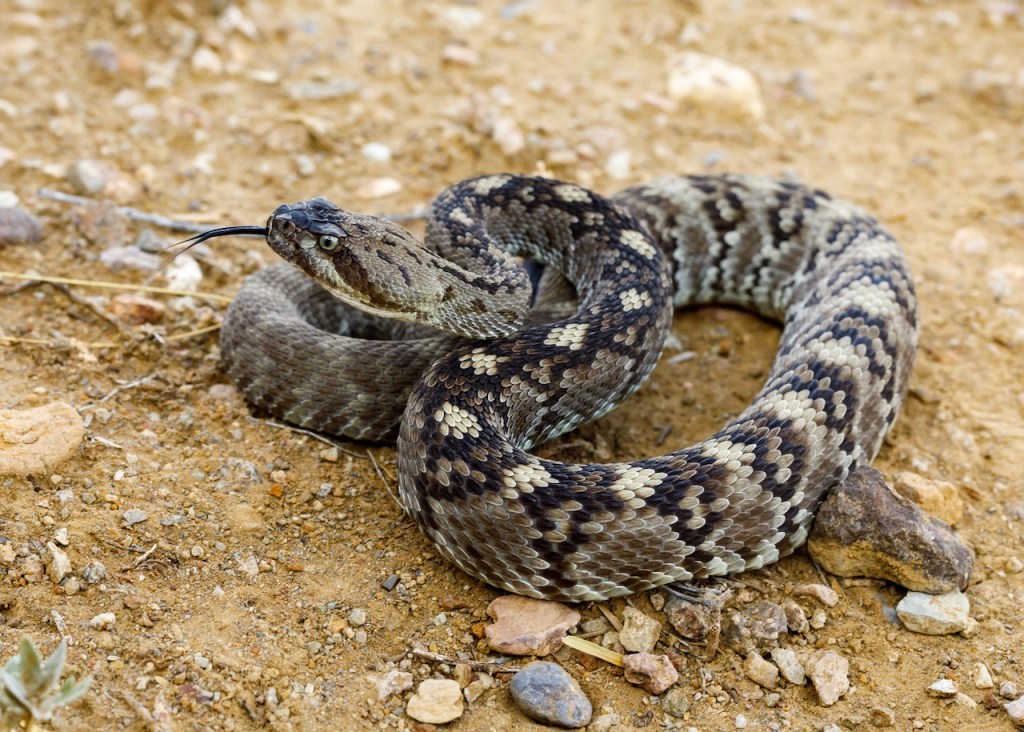
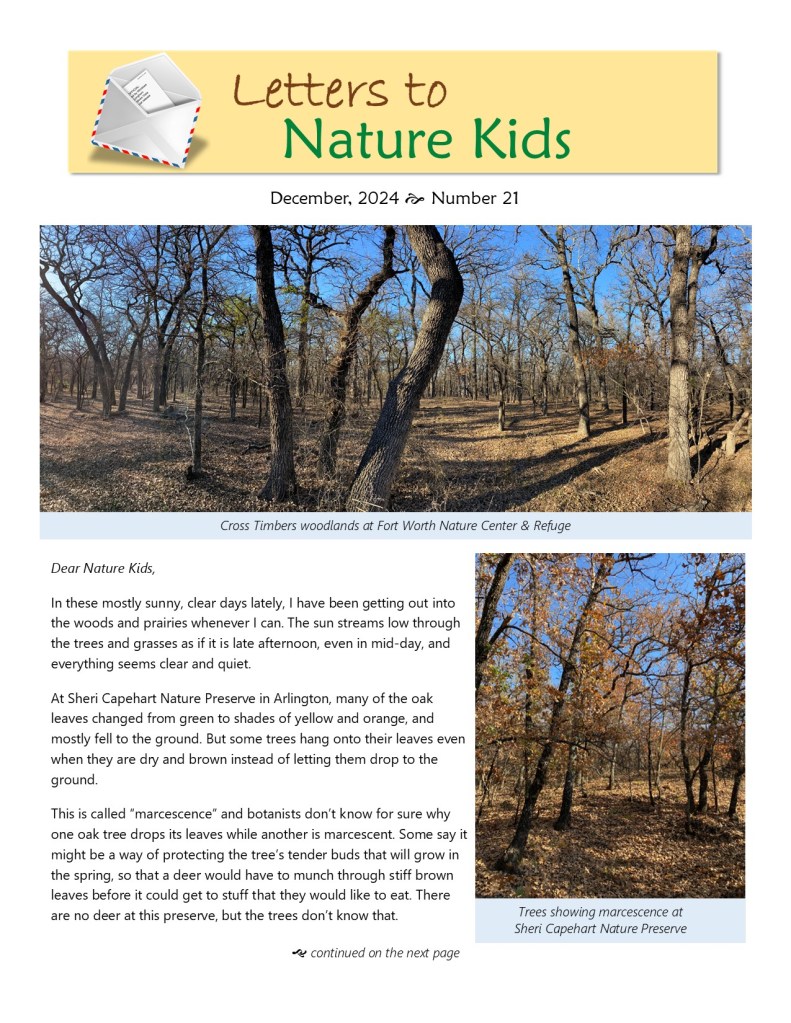
I’ve been doing something similar when I write “Letters to Nature Kids,” nineteen of them so far in the past couple of years. They are written with older elementary school kids and teens in mind, exploring such topics as seeing horned lizards, writing in a nature journal, venomous snakes and safety, thankfulness (on Thanksgiving), and so on. Each one is a free download from the Letters to You page of this website.

And now I’ve written the first of what might be many “Letters From the Woods,” also downloadable as a pdf document at this website. I can design and format it more flexibly than I could a blog post, and you could easily hang onto it or share it if you wanted. I can post a link to each new one here on the blog, and you could click the link or go to the Letters to You page.

It’s kind of an experiment – would you let me know what you think? I’d truly be grateful for any feedback, either as a comment on this post or an email to me (livesinnature@outlook.com). Here is the first one:

A Sunset at the Ridge

A recent mid-August Sunday was the hottest so far in 2024, with a high of 104F. When Kat and I walked up the trail at Sheri Capehart Nature Preserve to the sandstone ridge, the stone was quite warm to the touch. Regardless of the day’s heat, we wanted to experience a summer sunset there, and we arrived at the ridge about 8:00pm with the sun still glaring yellow through the leaves of oaks. Those trees grow immediately below the sandstone ridge, a curtain that hides the Fort Worth skyline and offers some shade. 

Kat, making a few notes in her journal

We sat on the stone ledge with water bottles and notebooks at our sides. Looking behind where Kat was sitting, there were tall stems of little bluestem reaching above our heads, and with each little breeze they waved as if they were the tops of trees. The breeze was welcome, of course, but for the most part the air was still and with the humidity at 50%, it felt sticky. Turning back to the west, the disk of the sun peeked through branches and leaves in yellow-orange sparkles, as if coming from the facets of a jewel.

The constant nearby traffic sounds dominated, but at 8:10pm a wave of insect calls moved through the area and then stopped. Although at some point the Merlin app picked up the call of a northern cardinal, I could hear no birds. After a few minutes another wave of insect sounds lasted several seconds and then abruptly stopped.

Meanwhile, a pastel yellow sky at the horizon filtered through the trees, silhouetting leaves and branches. I reclined on the still-warm rocks to be able to see the whole field of the pale blue sky, watching for birds or insects and hoping to see the first star become visible. I saw none of those. At 8:26pm the temperature at the ridge was still 92F, with humidity dropping a little. The western horizon was a deeper orange. 

Sandstone, little bluestem, and sunlight in the blackjack oak

Behind us, the canopies of blackjack oak were dimly lit by the remaining light from the western horizon, almost glowing with a yellow tint that contrasted a little with the surrounding vegetation. And when we looked lower down in those blackjacks, through bare branches we could see the bright, round full moon rising.

It was about ten minutes later that we could see the first glimmers of a couple of stars. “Star light, star bright, first star I see tonight,” but these tiny bright pinholes in the not-yet-dark heavens did not seem bright. Kat’s younger and more perceptive eyes could soon make out four stars. 

Moonrise through the trees (photo by Kat Oliver)

Shortly after that, we started walking back in the relative darkness, much darker under the trees. But in open areas, the full moon had risen higher and provided enough light for walking. When the moon is bright enough to light your way, and you walk along a path just visible, it may bring to mind childhood adventures in back yards or campgrounds. Something about it makes it seem special, a moonlit faery world much different from the bright daylight colors. 

And what is the attraction of sitting with the sunset, riding that transition between day and night? The world rides along with us as we notice the settling of birds, the emergence of insects or frogs, the way any clouds transform the last light of the sun. Most days we declare our independence from the rhythm of the Earth, turning on our lights and continuing whatever we are doing while the sun disappears and gives the night to the moon and stars. Sitting outside with the sunset is a way of reconnecting with that rhythm. Through such a connection, perhaps we synchronize ourselves with something important. 

The end of sunset