I write about nature, about the experience of nature and the cost of losing our connection to it. What could I have to say about this new world we are about to step into and what we can do about it? This space is about “our lives” in nature, and those lives – really all lives in nature – will change with the incoming administration.
Our country and the world is enduring a time of breaking, of desecration, when the worst impulses of many people are enabled and encouraged. And yet, there are a lot of us who know better, were raised to be better, and maybe we can lessen the damage. We have to try. We’re allowed to grieve the better world that is postponed or maybe lost, but our love for this world and for each other calls us out to do what we can.
The first thing we can do is to support ourselves and each other. Think about what the airlines say to do first if the cabin loses oxygen: grab the mask and make sure you have the oxygen that will let you function to rescue your child or your neighbor. We can do no good if we spiral into despair or exhaustion.
We cannot support each other if we’re isolated, and we need to work on this. Our Surgeon General called loneliness a public health epidemic, and a poll from the American Psychiatric Association said that 10% of Americans report being lonely every day. An NPR report stated that, across two decades, young people aged 15-24 now had 70% less social interaction with friends. As communities, we are often fragmented and isolated, and that might be a significant factor in our sense that we are falling apart. We increasingly keep to ourselves, and sometimes that results in thinking which becomes rather paranoid, and we become less patient, understanding, and skillful when dealing with fellow humans. The phone becomes our social partner and our way of interacting with the world, but social media is no substitute for face-to-face communication. And I say that as an introvert who hates parties and large social events. Find people with whom you can really talk as well as listen. Don’t forget their importance.
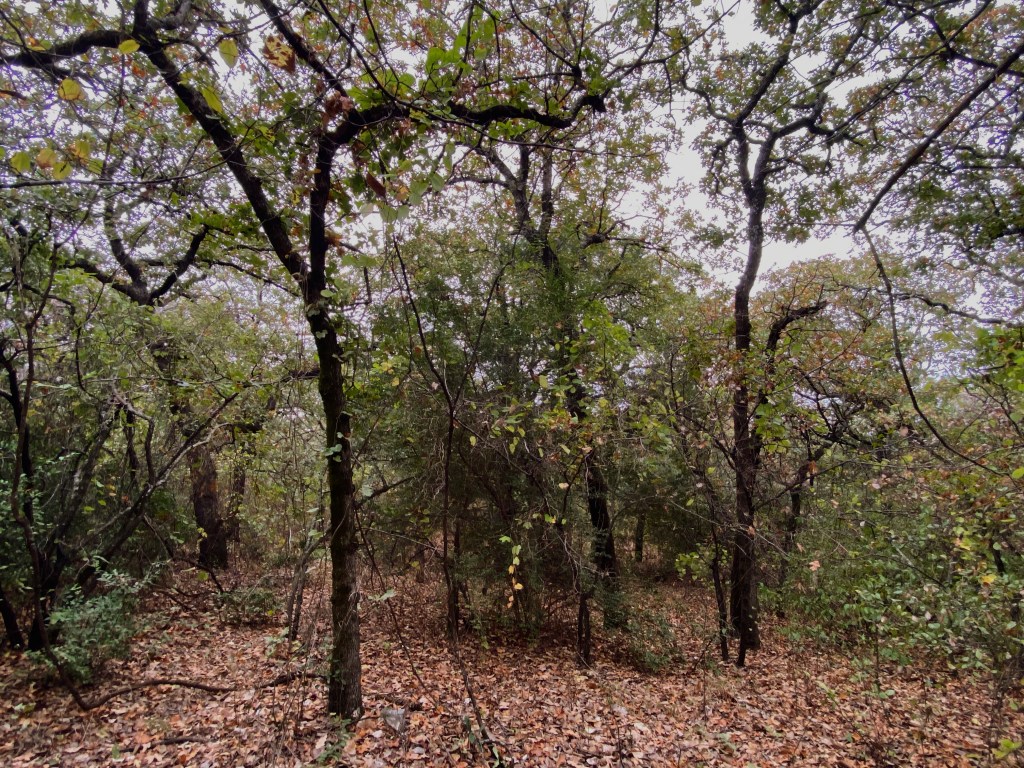
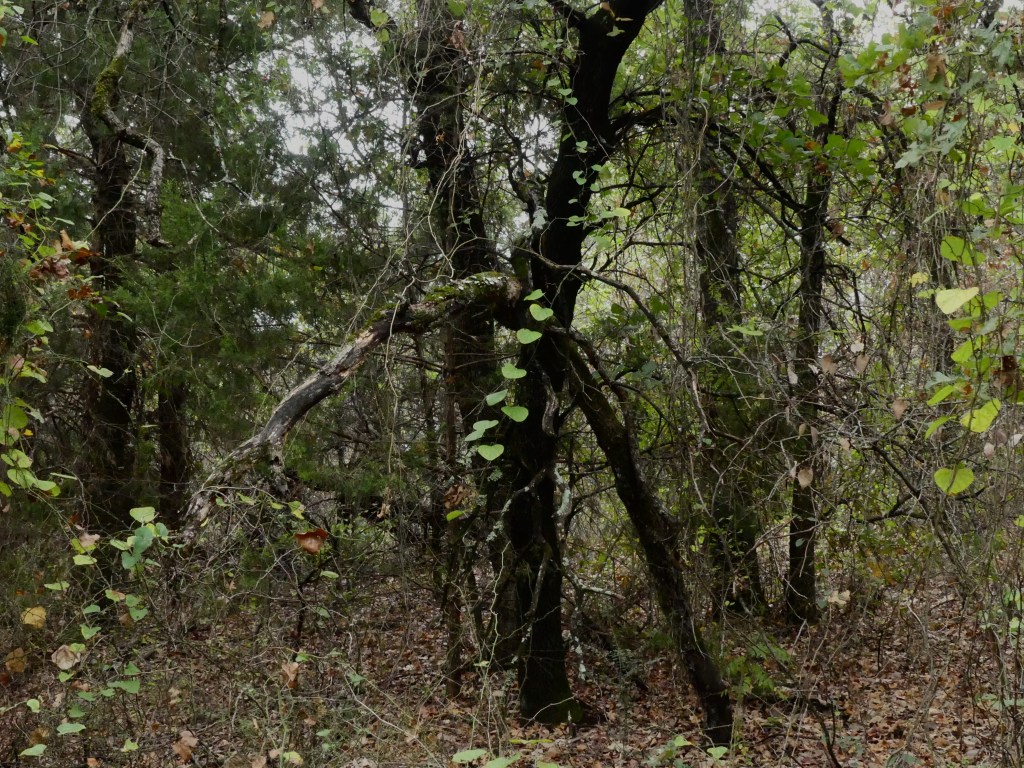
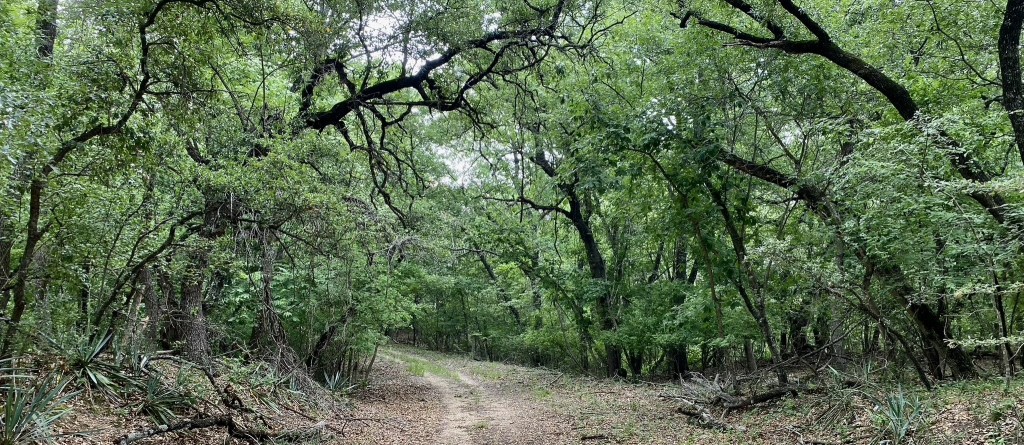
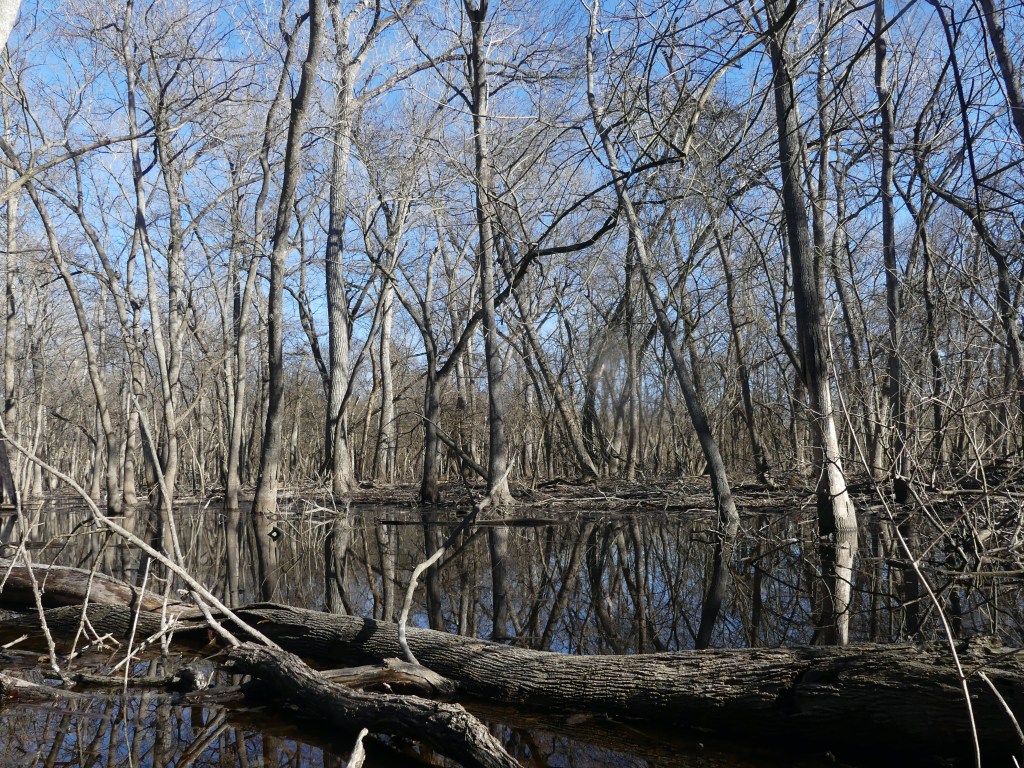
Nature, of course, can play a role in our self-care. In times to come we have to remember how the woods can be a refuge and wetlands can help wash away anxiety, trauma, and anger. Just as we need connection with allies, friends, and relatives, we need connection with trees, prairies, wetlands, and wildlife.
Such places will be more threatened than ever. The incoming administration has pledged to “drill, baby, drill,” and is also interested in selling off federal land to developers for housing. Project 2025, which (despite early denials) seems to be the blueprint for the incoming administration, intends to dismantle much of the Environmental Protection Agency (EPA), reverse what it considered the Biden administration’s “climate fanaticism,” forbid any scientific investigations by the EPA that are not explicitly authorized by Congress, and undo any progress toward clean energy. We know that climate scientists have said that much damage has already been done and we see the fires, floods, droughts, and hurricanes all over the news. Every year without significant climate progress will result in worse damage. How bad and how soon is hard to predict, but after the election, things look much less hopeful.
The new administration wants to convert civil service positions into political appointees. People working in civil service mostly have the independence and professional expertise needed to guide the implementation of environmental (and other) regulations. You can call them “bureaucrats,” but we probably want independent professionals helping determine the safety of our water or what sort of protection is needed to save a species from extinction. That may work out better than promoting opportunists willing to say anything to show their loyalty.
There are other threats, of course, like the stated intention of rounding up millions of our neighbors and deporting them, of giving up on real equality and justice, and marginalizing and harming our LGBTQ+ friends and loved ones. All this is interconnected. A government that treats some of its citizens with contempt will treat the land with comparable contempt.
We are going to need to try to stay informed about these things and know how to speak up. Perhaps we can choose an organization or two that we trust and channel some of our support and our advocacy through them. Perhaps it’s the Center for Biological Diversity, Earthjustice, or 350.org. Or it might be some other organization.
Here in Texas, the old-fashioned way of writing to elected representatives now seems a little … quaint. They do not represent us and are willing to harm us to get what they want. The head of Project 2025 wants a right-wing revolution which will be bloodless only “if the left allows it to be,” presumably meaning that they use violence if we don’t go along with what they want. The incoming President wants to be able to use the military against the “enemy within.” Significant portions of our own government are aligned with this view of us as the enemy (or are subservient to those who do). Somehow “please, sir, would you consider voting for this” does not seem like it will be effective with such people.
That is not to say we should not write to, say, Ted Cruz or Dan Crenshaw so that they know what their constituents think and maybe feel some pressure that might restrain them. We might share such letters publicly, in social media or a letter to the editor that says, “here’s what I wrote to Senator Cruz.” Normalize resistance, and let others know they are not alone.
But there is something else. How has it happened that more of our population shifted to the right? How have Proud Boys, bullies, and fascists become OK? How do Christians come to disavow Jesus’ teaching in the Sermon on the Mount as “too weak” and embrace hatred and exclusion? What drives the love of violence and responding to disagreement or differences with bullying? How did so many of us (very often men) define their personal adequacy by their ability to humiliate or harm others?
I hope that we can be examples of a different way. We can be models of empathy, respect, and a recognition that how others are doing is important to our own well being. I hope we teach our children, and particularly our boys, that we can be both strong and gentle, and we should always look for non-violent ways to protect what we love. These things should not be confused with weakness and passivity. Sometimes physical strength is needed, but the most important strength is moral strength and the courage to stand up for principles without being a bully. Too many of us, particularly boys, have not seen examples of this or have watched those around them treat such qualities with contempt. That needs to change.
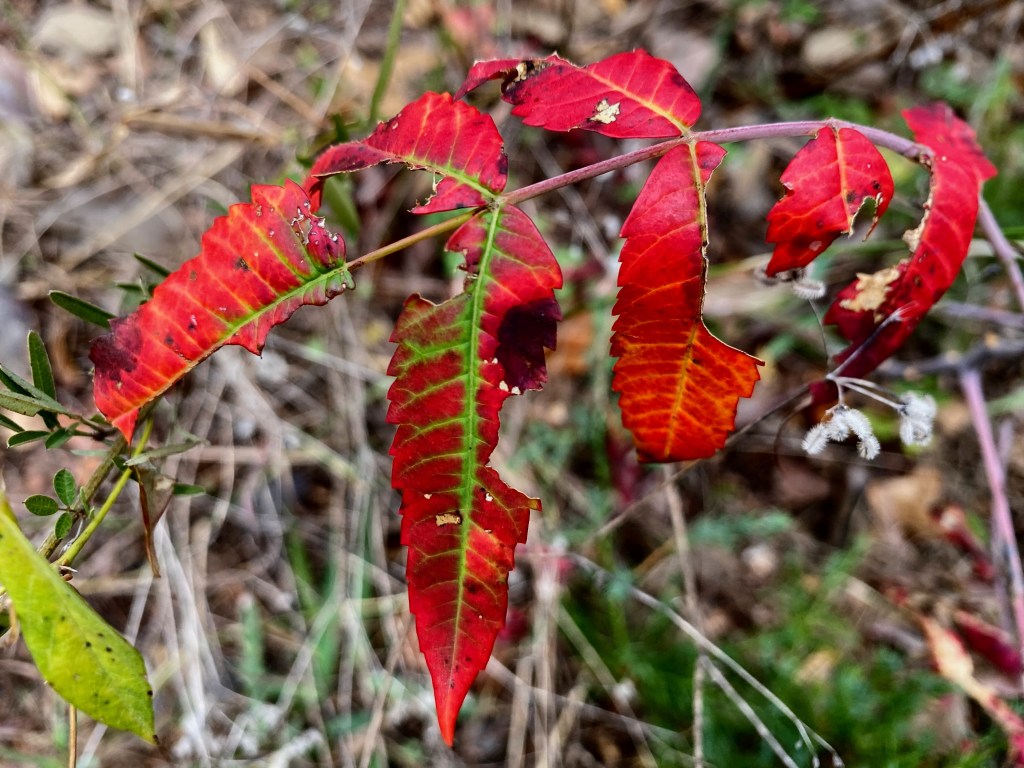
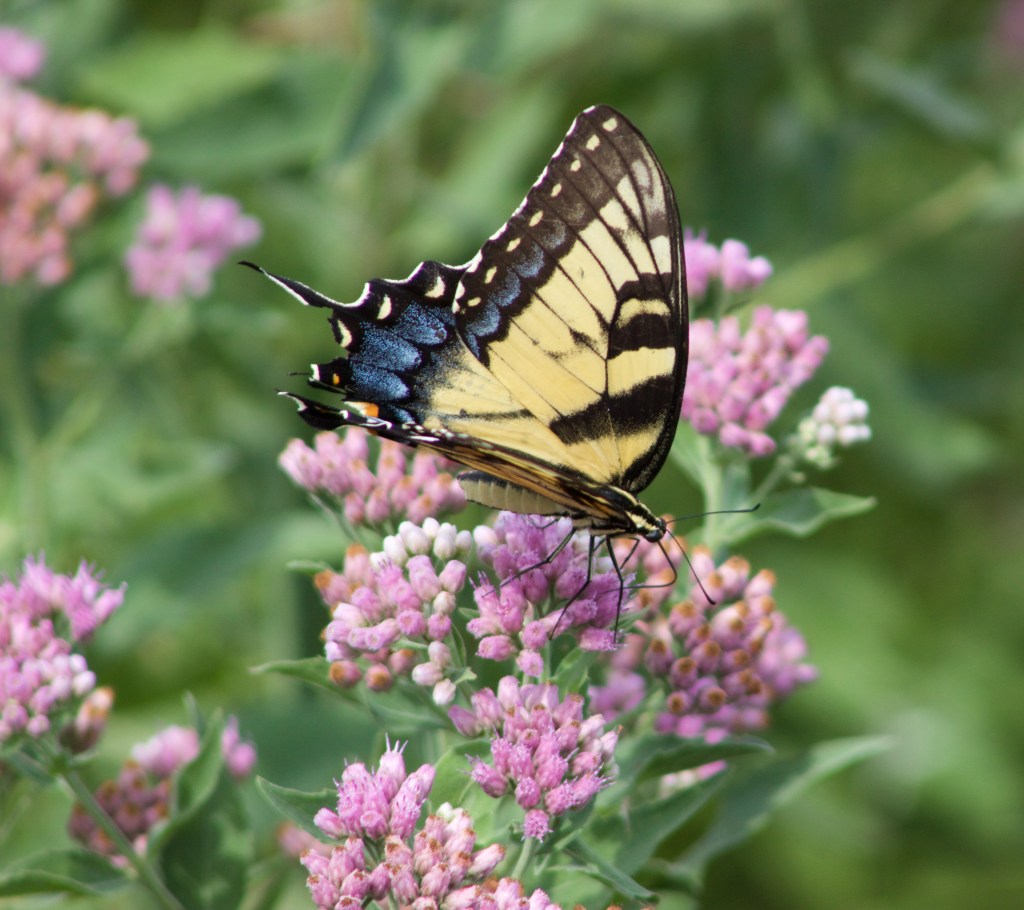
Don’t let the ugliness blind you to the beauty that is also around us. Take time for that beauty; let it in.


 Our Lives In Nature