We may feel big, like the most important thing in the Universe, re-shaping the planet and living in worlds of technology and invention. We have been to the moon and back; we could, in a fit of international rage, make the planet unlivable (we came close during my lifetime, and might again). We have created an industrial system that is currently making the planet unlivable, but being like gods, we are sure that we can continue to live anyway.
But some of us don’t feel so big, at least on a collective level. Sure, we sometimes make the mistake of grandiosity as individuals, but we aren’t convinced that we have special rights to convert our world into the exclusive garden of Homo sapiens. We feel a relationship with the living things around us that includes respect and relatedness. We may be consumers, but we’d rather it not be in the industrial sense of consumer and product.
Many of us seek connection with something bigger than we are. Sometimes we sit and look at the heavens and see something so big that it reminds us of our true size. We might experience awe and gratitude. At such times, we might have a desire to relieve suffering or add to the goodness of the world. Could we describe those feelings and that intentionality as prayer?
Practitioners of forest therapy sometimes ask the woods for permission to enter a particular spot. Treating trees, rocks, or rivers as sentient, as beings whose wishes need to be considered, also appears in some Native American cultures and in ancient Japanese Shinto practices. A person might wade into a stream and say “thank you for your cool, clear water.” They might silently say, “May my presence here cause no harm.”
Are such things prayers? I don’t know the answer, but I do greatly value our experiences of awe, of gratitude, of stepping outside of ourselves to connect with something greater. I wish that those things, along with humility and acceptance of the limits of our understanding, were more common.
Like many of us in the U.S. I grew up periodically attending a Christian church and learning the basic stories. I was of course taught it as outright history, not as myth and metaphor. No one questioned how Noah collected pairs of all the world’s animals or got them all on a handmade boat. We learned that praying was talking to God, imagined as an old man like in the Renaissance paintings. Maybe talking but usually asking – for forgiveness or for rescue from danger and disease. Or maybe for stuff we wanted.
I’m not promoting that, and I would go along with those critics who point out that throughout the ages, organized religion has been a great source of misery for many (and a malignant source of personal power and enrichment for quite a few). Jesus’ teachings described a radical love for all, envisioning a society turned upside-down, with the high and privileged brought low and the poor and humble elevated. All this was quickly transformed into a religion in which the right beliefs allowed us to escape eternal torture. Popes dressed in splendor and wielded immense power; so much for the privileged being brought low.
And now we have prosperity gospels claiming that being rich is a reward from God (and therefore being poor must be a sign of failure). So much for elevating the poor. Christian Nationalism is a movement seeking essentially to turn the U.S. into a theocracy, welding the beliefs of the church onto the power of the state. No wonder Christianity is losing ground. A Pew Research Center study finds that fewer people in the U.S. identify as Christian, and 29% say that they are atheist, agnostic, or “nothing in particular.”
So should we throw away the idea of prayer, along with the rest of religion? Even when the prosperity preachers and dominionists have gone away, our capacity for awe and our tendency to believe that there is something bigger than us will remain. Many of us will still seek a connection beyond ourselves.
Some might consider prayer to be very abstract, a process of opening oneself to the beauty and symmetry of a flower or the immense dome of the sky overhead. There is awe and gratitude in those moments, transcending oneself and feeling a part of such things, of all of creation.
Others may pray in a very direct and personal way, such as Willie Nelson describes in one of the songs from the album, Spirit:
“Remember the family, Lord?
I know they will remember You
And all of their prayers, Lord
They talk to You just like I do”
– Willie Nelson, “Too Sick to Pray”
A famous prayer of St. Francis, the “Canticle of the Sun,” expresses gratitude to the Lord for Brother Sun and Sister Moon, as well as for the wind and air, the water, and Mother Earth. There is also gratitude for those people who forgive and endure trials in their lives. He saw all of creation as a wonderful gift, and all the parts of it – including ourselves – related like siblings.
That brings to mind the Thanksgiving Address of the Onondaga Nation of Native Americans. Some of us first encountered it in Robin Wall Kimmerer’s book Braiding Sweetgrass. Is it a prayer? (Kimmerer says it is not.) From the descriptions I have read, it is a powerful way to affirm the group’s identity and values, its gratitude and the relationship of reciprocity between the people and the rest of nature. Participants in a meeting or students in a classroom recite words beginning with these:
“Today we have gathered and we see that the cycles of life continue. We have been given the duty to live in balance and harmony with each other and all living things. So now, we bring our minds together as one as we give greetings and thanks to each other as people. Now our minds are one.”
Subsequent portions of the Address express thanks to the Earth, to the waters, the plants, animals, and ultimately “to the Creator, the Great Spirit.” Each time, there is the refrain, “Now our minds are one.”
Chanting, singing, or reciting something in unison can be a powerful way of transcending oneself. Joining our voice with those of others, we are more than just our individual selves, and perhaps we become something greater. And perhaps that is like prayer.
“To whom do you pray,” some might ask, wanting to know what deity we recognize. But there is more than one way to conceive of the divine. One can have a spiritual life without personifying God as a human-like figure modeled after fathers and kings. Neither does God have to be personified as a mountain or a flower; maybe the Creator need not be personified at all. Maybe it’s all much more abstract than that, and maybe it’s unknowable.
It’s not like I have answers. I’m just thinking out loud, into the keyboard, pulling in the bits and pieces that I’ve read and heard and imagining that prayer is broader than what most of us heard in church as we grew up.
Sitting beside the Trinity River, on the Crosstimbers Trail, I wrote, “The place is so big that it makes the voices of the occasional human visitors seem small.” On a warm Friday in February, there were quite a few people at the Fort Worth Nature Center and Refuge, making bigness an important quality if the trail was going to live up to the name “refuge.”
This is a big place, as nature centers go. Its 3,621 acres are loved by many, and that is partly because it is big enough for a little solitude. The Crosstimbers trail borders the river for the first half-mile or so, and that’s a popular walk for people who want to see the water and maybe hope to see a ‘gator. Once the trail bends back into the woods, there are fewer people, and once you get pretty far back on that loop trail, you might be on your own for a good while.
Two red-eared sliders – an old melanistic male and a younger one on the log below him
I got started at 10:40am on a day when thin clouds could not hide the sun and you could walk comfortably in a t-shirt. I watched a great blue heron fly over the nearby marsh and said hello to the cooters and sliders basking on fallen logs and branches in the water. There were plenty of American coots swimming nearby.
Three American coots swimming in the river
The bottomland forests beside the river were full of stately old trees – cottonwoods and other species – and they are often entwined with one or another climbing vine including poison ivy. One old cottonwood tree has huge vines braiding around its trunk.
Bare woody branches of shrubs frequently contained a spray of bright red berries where a kind of holly called possumhaw grows. And around me in the woods were the calls of many birds, including Carolina chickadee, tufted titmouse, and northern cardinal (identified by the Merlin bird ID app). My thermometer showed that it was 71.8F at 11:25am.
Then it was time to follow the trail back into the woods. There are plenty of oaks; big bur oaks with big notched leaves and the post oaks that are a signature species of the Cross Timbers region. There is ash, cedar elm, and some hackberry trees. Here and there the woodland opens up to a little glade or pocket prairie with native grasses. I took a few photos on the “pano” setting because today the place seemed so big that only a very wide photo might do it justice.
The trail leads through galleries of old trees and the land slopes away to the north toward a wetland. On the other side, the woodlands and open grassy patches gently climb toward a high place. On my walk, the winds seemed to shift around 11:35am and become cooler.
At what seems to be the highest point, there is a bench, perfect for sitting and taking in the wonderful forms of the trees, the carpet of dropped leaves, and the birds. Today it was very quiet and peaceful.
I started back, and as I walked the breeze scattered leaves ahead of me on the trail. That breeze was strengthening and making its voice heard through the tangle of trees. The branches shredded the current of air. Sometimes it was a whoosh and sometimes a soft roar, falling away to silence.
As I got further along, at one point I looked down the trail to see two deer looking back at me. They were silent and still as statues, sizing me up and deciding if I was a source of trouble. After a moment, the group took off, with those white tails flashing a warning to the rest of the group.
Two white-tailed deer froze on the trail as I came into view
When I reached the river and sat on a bench, there was the chatter of a belted kingfisher somewhere nearby (though I could not see it). Merlin also identified the call of a northern flicker. The thin clouds were pulling apart, and when the sun shone down it felt warm. The temperature had fallen a little to 67.6F, but in the little nook where I sat on my bench, the sunshine felt good.
The kingfisher clattered persistently. Another bird came in for a dramatic fast landing, wingbeats skimming the surface of the river. The bird then paddled around as if nothing had happened, sometimes diving down into the water. With the lens on my camera I got a good enough look to see that it was a pied-billed grebe.
Pied-billed grebe
The relatively thick bill with a dark ring around it was a giveaway. The Cornell website gave more information about what I observed about its diving: it was hunting. This bird likes crayfish and also eats small fish, dragonfly larvae, and it would not mind a leech or a small frog.
In that last hour I was grateful to have seen no one along the trail, and was happy to be by myself. I do like walking with others, but on some days like today, the solitude was peaceful. I am so thankful that Fort Worth has one of the biggest urban preserves in the country – and that it “feels” big.
Mild winter days are a gift, one that can make us uneasy and yet grateful for the soft warmth of sunshine in midwinter woods. The uneasiness comes when we recognize that the gift often comes from climate change. A recent Texas Monthly article reported that this past December was 4 to 5 degrees warmer than average, and that January of last year was the sixth warmest ever seen in Texas. In winter, our off-the-rails warming climate can feel good, but it is still brought to us by the worsening climate catastrophe.
Let’s get to the gratefulness part; while some days I try to wrap my head around climate issues and see what I can do, on other days I want to accept the wonder and joy that nature gives. On those days I’ll live in today, not next year or last year. Even as I sit under a blue sky, surrounded by the sheltering oaks, some part of me knows where the gift comes from, but that will not spoil the day. And so here are a couple of slightly edited entries from my journal, reflecting solitude and time in the woods at my favorite preserve.
On February 1st I made my way to the top of the hill under a sunny sky with no clouds. The local weather service said that it was 73F. I was on a little-used trail and the traffic noise was in the background. There was a sense of quiet because the noise seemed distant and subdued. I noticed a little chatter of crows. Nearby it was quiet and peaceful, warmed by the afternoon sun and surrounded by oaks reaching their bare branches up into the blue sky.
It was as if I had a distant memory of sleeping outside on such a day, in a peaceful place with all noise far away. Being lulled to the edge of sleep with a warm sun and soft breeze, in the close company of trees. Or perhaps it just seemed like a perfect place to drift away.
And then a strong breeze blew through, dislodging a remaining leaf or two. “Rock-a-bye baby, in the tree-tops…” Will the bough break? The cradle fall? What a strange lullaby.
A fungus in delicate and beautiful concentric rings
On February 4th it was partly cloudy and a little less warm (61F, reportedly) but at the start of the walk it was mostly sunny. The clouds that moved through were low, thick and heavy, slipping eastward and sometimes hiding the sun. After making my way up to the boulders, I wandered down the trail past lots of small sulphur butterflies and found a small wasp in a tangle of dewberries. Nearby, a Carolina chickadee called from low branches. Blue jays fussed somewhere as the breeze came and went, blowing a few loose leaves.
A small wasp that survived the recent freeze
I came back to the sandstone bluff, and the movement of clouds was putting on a delightful show. Using my shoes as a pillow I lay on the rocks and watched those clouds. Sometimes the thicker gray clouds obscured the sun, and I was glad for my jacket, and then the sun re-emerged with wonderful radiant heat.
Looking up at clouds
There were low clouds still sliding to the east, sometimes wispy and light, and other times wet and gray. High above those, a layer of clouds slowly crept in from the north. Some of those were thin and feathered in intricate bands, but others were ropy and white. The edges of the low, gray clouds were rimmed in bright white from sunlight and almost too bright to look at. As always, the slow graceful movement of clouds was mesmerizing.
Darker clouds were massing nearby, and I started my walk down the hillside. Somewhere along the way I heard thunder, and rain began to fall as I reached the car.
Rain clouds visible from the bluff
I hope you are able to get outside sometimes on days like this. I’d love to hear in the comments whether you feel the same as I do about these warmer winter days, or if you prefer days when winter has a little bite and maybe brings some snow.
A pond at Sheri Capehart Nature Preserve, Arlington, TX
In recent years, many articles have appeared with titles saying that we are “loving nature to death.” Most of the ones I have read pertain to national parks and wilderness, but the issue applies equally to small preserves and urban parks. During the first year or so of the Covid pandemic, people lost jobs or worked from home and had extra time on their hands with fewer things to do because we were trying to practice social distancing. Many discovered – or rediscovered – getting outside.
For those of us who recognize the benefits of time spent in nature and hope for a reconnection between people and nature, more people outside is good news. But the amount of public space available for wildlife refuges, preserves, and nature parks did not increase. Neither did the budgets for taking care of such places. As a result, public natural areas have to contend with more traffic and the accompanying litter and the impact of our camping spaces, fires, new “rogue” trails, and other wear and tear.
There’s a little preserve in Arlington where I volunteer. (And my comments here are my own and do not necessarily reflect the thoughts of the group that I am affiliated with.) I spend a lot of time there because it is near my house. I have walked its trails, sat watching and listening, and become very familiar with its ponds, woods, and meadows. It is a resilient place, but these days it is contending with lots of traffic. That results in rogue trails, soil compaction and erosion wherever people walk off-trail, litter, issues with dogs and horses, dirt bikes and mountain bikes (which are not allowed), discarded or lost fishing tackle, and the occasional improvised shelter although no camping is allowed.
Green heron seen at Sheri Capehart Nature Preserve
Urban nature preserves and urban parks share some similarities, but they are also fundamentally different. The preserve is land set aside and protected in a nearly natural state, so that people can see how the surrounding land once was and can enjoy some of the communities of flowers, trees, and wildlife that are part of our heritage. You can see it as a living museum of natural history, letting us experience the place like it once was, at least to a degree. At the same time, you can see it as our wild neighbors, the plants and animals that are our companions who deserve a chance to live alongside us at least somewhere.
Urban parks, lovely as they may be, are usually modified for human use so that little of the original nature remains. There may be lawns, sidewalks and soccer fields, jungle gyms and ponds with domestic ducks. We need such parks, but they are not nature preserves. We might be urged not to leave litter, but hardly anyone feels the need to say, “leave no trace” of our visit there.
By contrast, many of us would urge each other to leave no trace when we visit wild places and nature preserves. There is an important movement that promotes this idea, and one organization, Leave No Trace, promotes seven principles that will help us. “Leave no trace” is a plea for us to visit nature in the spirit of cooperatively and respectfully sharing a space where many of our wild neighbors live and where other humans will visit. Yes, it is there for our enjoyment and learning, but it is not ours alone, and its purpose is not really entertainment.
The first Leave No Trace principle is to Plan Ahead and Prepare. In a small urban preserve that might mean taking the time to review the preserve’s rules, seeing when it opens and closes, and getting a copy of a trail map. Many preserves allow your dog to come if they are on a leash. Almost all prohibit motorized vehicles.
Another principle is to Travel (and camp, if allowed) on Durable Surfaces. In small preserves this translates to “stay on the trail.” Wandering off-trail means trampling plants, compacting soil, and creating conditions where rainfall will erode the soil away. When a place gets trampled, others assume it is a trail, and soon there is a “rogue” trail. When a small preserve gets criss-crossed by lots of such trails, serious damage is done. From wildlife’s perspective, there is no safe place away from people. The habitat that these animals use is of much lower quality, and when rain comes, there will be much more erosion.
Next is Dispose of Waste Properly, and simply put, it means everything you pack in should be packed out. It’s easy to bring a small bag in your backpack or even your back pocket so that you don’t leave litter. Snack wrappers, water bottles, fishing gear, even Kleenex should be bagged and taken with you. I know that when fishing line snags and breaks, it can be difficult to retrieve it. However, hooks, lines, and lead sinkers are responsible for many wildlife injuries , and hooks can cause human injuries. And here’s another difficult but important thing: use the bags provided to pick up your dog’s waste. If it is left in the preserve, not only is it unpleasant, it is potentially a source of new parasites for wildlife. (The waste from the resident wildlife contains stuff that’s already found in the preserve, things the residents are already adapted to.)
Trash near a pond’s edgeFishing tackle abandoned at the pond
The Leave What You Find principle means leaving the living things how you found them, and don’t introduce non-native species. It also means not collecting artifacts like arrowheads and not “tagging” or carving initials into rocks and trees. We all have a tendency to think, “It’s just this one little thing, it won’t hurt anything.” But if you dig up a few plants, you won’t be the only one, and the losses add up. It’s the same with animals. That lizard might look cute, but don’t catch it! And please do not add things that did not come from the preserve. We’ve seen raccoons relocated and dumped at our preserve, and once at one of our national grasslands I found someone had released goldfish into a pond. They probably thought they were doing the fish a favor. When we add things or take things away from a natural community, the negative consequences might not be easy to foresee.
A boulder with graffiti at the preserve
Minimize Campfire Impacts, in small urban preserves, really means “don’t,” because making a fire is almost certainly prohibited. There is the risk of a fire spreading and also the gathering of firewood and tinder removes homes and hiding places for small wildlife.
The next principle is to Respect Wildlife. Every time we see a photo of someone taking a selfie with a bison, we are reminded of how much people misunderstand wildlife. In general, if we are far enough away they may ignore us but if we get too close they may respond in self-defense and we (or they) may be hurt. Or our getting too close may disturb nesting, courtship, hunting, or other important activity. We should not only be aware of how we may affect wildlife, but also how our pets may do so. One reason our dogs should remain on-leash is to keep them from running ahead and investigating the nooks and crannies that small wildlife shelter in.
“Admire me from a distance and please don’t take me home”
Finally there is Be Considerate of Others. People have different ways of enjoying a small preserve, and we can try to see to it that everyone has a good experience. Some of this involves little courtesies such as stepping a little off the trail to let people pass and minimizing noises (ear buds will let you listen to music without others having to do so). If dogs are allowed in small preserves, it is crucial to keep them on-leash and do not let them threaten other dogs or people.
When you think about it, all this follows pretty naturally when we visit a small preserve with respect for what it represents and gratitude for what it provides us. I hope if you visit one of our small, urban preserves, you will keep these principles in mind. That way, those living museums of natural history can continue to thrive.
Today in a walk in an urban preserve, what nature offered was a stark contrast to what many humans offered. Nature offered examples of beauty and harmony. Humans, not so much today. I am grateful for nature’s gifts this afternoon, and I’m hoping for all of us to make more progress toward an attentive and respectful relationship with nature (and with other people).
A red admiral rests for a moment
Butterflies and dragonflies are still active at the preserve. A hard freeze is just days away, and these insects bring their beauty and their skillful flight as if today’s warmth was the only reality. They’re right – today, this day right now is the only reality and they were making full use of it.
A young juniper growing in the shelter of an oak tree’s trunk brought to mind the harmony and tolerance that humans sometimes fail to have. I’m aware that the oak did not invite the juniper, and that the oak will take water, nutrients, and sunlight without much regard for its small neighbor. Regardless of intentions, they grew side by side and appear to be thriving.
Juniper, sheltering beside a blackjack oak
Every winter, a little below the crown of the hill, standing cypress begins to grow. They first emerge as feathery green rosettes, and they grow through the winter and spring. Eventually they produce a spike of the most beautiful red flowers before dying back later in the year. When everything else seems doubtful, standing cypress won’t let you down.
A new standing cypress
Maybe standing cypress isn’t high on everyone’s list of priorities. We need an affordable place to live, and we need people who are willing to set aside their momentary impulses and follow rules for the good of the community. Next to that, being able to count on a plant’s annual re-emergence might not seem like much. But the more other things fall apart, the more valuable seem the parts of the world that are dependable.
Silhouettes
I sat on a boulder in the warm sunshine and wrote a little in the journal. The temperature had reached the middle 60s in the shade, and sitting there in a t-shirt, the radiant sun felt great. Then it was down the trail to the big pond. There were a few places where some leaves still held on to some color, and the sun shining through them was like nature’s stained glass.
Another gift from the afternoon sun – light in the tops of the grasses
I ended up at one of the other ponds, watching the low sun light up the trees at the end of the day. It was a time of day that felt quiet. I had not heard any birds (with my ears or with the Merlin app) during my walk, and no turtles were basking at the pond. The water was still, and everything seemed hushed. Was the preserve ready for a rest? I know that communities of invertebrates, fish, and other animals continue their activities into the night. I also know that the one who was ready for a rest, after unleashed dogs, unruly dogs, and dirt bikes that have no business in a preserve, was me. The peace of a quiet pond was a welcome end to my walk.
We have this urge to mark the end of the old year and welcome the new one, so we gather to wish each other a happy New Year. We think about the coming year as a new beginning. Sometimes we want to try for a new beginning for ourselves, with new year’s resolutions to start doing this or to do less of that. Midnight on December 31 marks a change, for good or ill (mostly for good; it feels like a bad omen to even consider that it could be a change for the worse). Another year older, another chance, another spring.
LBJ National Grasslands, in Unit 29, on the last day of 2023
But spring is months away and our transition to 2024 is completely arbitrary, unless you consider that it’s pretty close to the winter solstice when everything really does begin to change, in ever so gradual degrees toward greater light and warmth. Nevertheless, yesterday was the end of 2023, and among some members of my nature tribe the right way to mark the occasion was to walk the woods and prairies one last time.
Alaina, Sheryl, and Jake met me at LBJ National Grasslands under a warming sun with scattered clouds. It is a familiar and welcoming place, and if we needed reassurance that some good things can be counted on to stay consistent despite the turning of the year, this was it. We did not talk about it, but I expect that this dependability of nature is part of the appeal of a walk here on New Year’s Eve. Many of us are ambivalent about change, considering what we have been through in recent years. The pandemic, a worsening climate crisis, the creep toward fascism in many places across the world; these things make the woodlands and prairies more precious than ever. The cycles of growth, flowering, the shedding of leaves and winter dormancy make up a background of dependability. That, and the love that truly close friends and family have for each other, keep us going when everything else seems to be falling apart.
Alaina and Sheryl
The earth tones of the prairies have become quite “earthy” and the straw and sienna colors have faded, but there was still some warm brown in the woods. And the liberal scattering of junipers adds some touches of green, so it was hardly a colorless winter scene. When you add the ponds with reflective water and surrounding bare trees, the grasslands in winter have a visual beauty beyond compare. Spring and summer are also lovely, just in a different way. The Western Cross Timbers is an amazing gift that every season makes into something new and wonderful.
There is life in every season. We saw a few dragonflies, and I mentioned to my friends that I believe seeing a dragonfly on the last day of the year should be a sign of good luck. Spread the word – let’s make a “lucky dragonfly” tradition and invite urban folks into a new little connection to the natural world. These insects are already associated with good luck in some Asian and Native American traditions, so it shouldn’t be a stretch.
A common buckeye
We also saw some butterflies. We often see them deep into the winter if the day is sunny and has some warmth. They flutter along and bring extra movement and color to the day. One of them was a buckeye, a species with colorful round “eye spots” on their orange, brown, and white wings.
Our walk helped end 2023 in a good way, and we are ready to carry that through into the new year. Here’s to everyone having a year with beauty and wonder, surrounded by those you love (even if from a long distance*) and filled with empathy, compassion – and healing whenever that may be needed. Happy New Year!
Right now the earth in our little spot is tilted about as far away from the sun as it ever is. Sunlight reaches us from lower in the sky, from a sharp angle rather than high overhead. Thursday, December 21st is our winter solstice, after which the days slowly begin to lengthen again. But in these shortest days the light is different; not only does midday seem like late afternoon, the light spectrum has shifted and is a bit more golden.
Not long after noon, the light looks like it is the end of the day, and I get a sense of things coming to a close. Daylight will soon end, and so will the year. What needs to be put in order before this season and this year is done? What has slipped away while we weren’t looking? It is only a vague emotional tone, nothing more, but it can bring an elegiac feeling to the day.
The light is beautiful, perhaps in part because it contains more of the warmer part of the color spectrum, and because its slanting angle produces more shadows and clearly defines what it touches.
On a recent walk I was particularly struck by all this. There was a large oak whose leaves were becoming quite yellow, and underneath it a small sumac with crimson leaves. The ground beneath was carpeted with leaves in shades of brown and yellow. I thought, “What is this trick of the light that makes everything so much more clear, deepens the colors and highlights things so that I see each one clearly? What is this, that makes it feel like the end of the day, things coming to a close, deepening the emotion along with the color?”
I would be interested in knowing the extent to which others experience these things. If you notice any of these qualities of autumn light, I encourage you to write a comment about it. If you haven’t thought much about it, then find a sunny day while the days remain very short and take a walk somewhere in nature. See what your perception tells you.
We headed south, full of optimism that the sprinkles and mist would not get in the way of a good walk at Pedernales Falls State Park. Being in good company outweighs getting wet, and after the drought we have been going through, none of us were complaining. When we arrived at the park the river was softened by a little mist and the trees were dripping. It was going to be great.
The path, on its way down to a place overlooking the falls, goes through a juniper woodland where every small plant, mushroom, or insect snagged our attention like velcro. Among nature folks, it’s called “walking at the speed of botany.” We kept up that pace, weaving around boulders all the way down the stone steps to the riverbed. Sheryl took beautiful photos of water drops on leaves, and Kat and Alaina examined seeds and leaves and discovered a straggling monarch butterfly feeding near the steps.
L to R: me, Alaina, Kat, & Sheryl (photo courtesy of Alaina Graff)
This leaning into fascination and wonder is a trait shared by many friends and family, as if hard-wired into our being. Love and gratitude follow as naturally as rain lilies after rainstorms. So many things for us to be grateful for – the sound of tumbling water in the river, the red and orange autumn colors of cypresses and Virginia creeper, and spiders whose webs still held beautiful water droplets.
Water on stems and leaves (photo courtesy of Sheryl Joiner)
Gratitude and affection for the natural world (and for each other) is, along with wonder, what fuels all my visits to places in Texas. There are a handful of people with whom visiting a forest, wetland, or prairie is like worship. Not worship as a practice of religion, but simply a shared reverence. Together we re-connect with something bigger than us, yet part of us, and which nurtures each of us. This creates what Robin Wall Kimmerer describes as a sacred bond:
Knowing that you love the earth changes you, activates you to defend and protect and celebrate. But when you feel that the earth loves you in return, that feeling transforms the relationship from a one-way street into a sacred bond.
Robin Wall Kimmerer, Braiding Sweetgrass
This is a good week to talk about these things, because the Thanksgiving holiday should be about recognizing what we’ve been given and what sustains us. A big feast, all that turkey and pumpkin pie, should just be a metaphor for the abundance that so many of us have been given, and which can be answered with gratitude and thanks. We can give thanks to the land that gives food, water and shelter. We can give thanks to each other for the ways we care for one another and embody what religious folks would call the image of God or a spark of the divine. Another way of saying that we are made of stardust and should recognize that in each other.
The Pedernales River (photo courtesy of Sheryl Joiner)
We walked downstream, along a beautiful stretch of river lined with cypress trees. I wrote in my journal:
“The sound of the riffles – a deep tumbling noise – was mesmerizing. The river corridor is lined with old cypresses and boulders and stones with roots winding among them. … There is the river and the conversation among Alaina, Sheryl, and Kat, and no mechanical noise (not even a plane). Beautifully musical.”
Roots seeking the water (photo courtesy of Sheryl Joiner)
On Thanksgiving Day, I will think about this place and the friends who were with me, remembering them with gratitude and joy. I will be thankful for so much – my human family as well as those other wild relatives out there without whom our lives would be so much smaller.
An American alligator (Alligator mississippiensis) seen by the group on our first field trip
It is fun to learn some of the details about the reptiles and amphibians that live in North Texas, getting a grasp of how they live in woodlands, marshes, and other places. It’s great when people get comfortable being around these animals and understand the conservation challenges they face. Those have been my goals as I’ve been teaching a great group of people about reptiles and amphibians (herps) and how to look for them in the field (herping).
Almost all the participants are Master Naturalists, so they start with a certain level of understanding about nature and wildlife. Because I teach incoming trainees for a couple of Master Naturalist chapters on the subject of herps, I had already met some of these folks. But two or three hours introducing herps seems like just scratching the surface. So I came up with a plan that involved four class sessions and several field sessions.
Alex, Kristina, Triniti, and Alaina
I have offered it in October and November as a sort of trial run. This is not exactly prime time for finding herps in North Texas, though we’re doing OK. We’re grateful to Fort Worth Nature Center & Refuge for offering facilities and time in the field. In the first session, after we talked about some basic concepts, Dr. Jared Wood (Natural Resource Manager at the refuge) shared some of his knowledge of the American alligator. He has been studying these reptiles in southeastern Oklahoma and will continue the nature center’s research on the alligators of Lake Worth.
We then headed for Greer Island to look for good herp habitat. While walking down the causeway, members of the group spotted a small American alligator cruising along a few hundred feet out in the water. What a wonderful follow-up to the discussion by Dr. Wood!
Green treefrog (Hyla cinerea)
On the island, we wanted to see what we could find without damaging habitat or collecting anything. Our goal was to identify fallen logs that offered good refuge underneath and could be investigated without tearing them up. We also talked about what species would more likely be seen in spots like the water’s edge among tall reeds, or dense mid-story vegetation in the woodland. We did not really expect to see much on a cool October day, but these are very observant folks. We found a little brown skink, a green treefrog sleeping on a reed at the water’s edge, and a Texas spiny lizard before we were done.
Texas spiny lizard (Sceloporus olivaceus)
In our next session we focused on the amphibians of North Texas. We are fortunate to have a number of frogs and toads, and even a few salamanders (occasionally seen in a few locations). We talked about diet, drinking through the skin, secreting toxins through the skin that may confer some protection from infection as well as from some predators. We talked about frog calls and played audio samples of many of them. And then we headed out into the field.
The group, on their way to finding frogs and toads at the marsh
One of our goals was to practice the amphibian monitoring protocol that involves systematically listening for frog or toad calls, identifying for each species whether we heard a few individuals (isolated and non-overlapping calls, which would be Call Index = 1), a larger group (numerous overlapping calls but you can identify individuals calling, which is Call Index = 2), or a full chorus (lots of overlapping calls and individuals cannot be identified, Call Index = 3). The end of October was not the best time for frog breeding, so we were not surprised when we did not hear any calls.
But earlier we had seen several species; they were present but not breeding. People in the group saw leopard frogs, and then we found a small green treefrog. As we watched, it spotted an insect, then jumped, caught it and gulped it down. More green treefrogs were seen, and Alex found a juvenile western ribbonsnake and a couple of cricket frogs. Sheryl found a Gulf Coast toad.
Young green treefrog, in the moment just after catching a “bug”
We’ll turn our attention to turtles next, and in the last session tackle lizards and snakes. To get some good field time for these last species, we may have to reconvene next spring when snakes and lizards are more active.
I’m having a great time getting to know this group of herpers and sharing what I know. They are showing me what good observers they are, and how willing to ignore some mosquitos as we sit in darkness, listening for frogs. Kristina held a snake for the very first time. Some of them are interested in volunteering in the nature center’s alligator research efforts. All of this is great news for reptiles and amphibians and for the broader natural world.
I wrote several posts over the summer at Sheri Capehart Nature Preserve, describing how summer got started and where it went in a season of record heat driven no doubt by the climate that we are wrecking.Those posts are put together here and lightly edited from the originals which appeared on Substack.
A Forest of Monarda, June 11th
Well maybe “forest” isn’t quite right when talking about the various flowering plants in the genus Monarda, known as bee balm. But the spotted bee balm (Monarda punctata, sometimes called spotted horsemint) had grown tall at Sheri Capehart Nature Preserve in Arlington – some plants at least four feet tall. Seemed sorta forest-like.
Flower head of a spotted bee balm, with a wasp browsing the flowers
I love seeing spotted bee balm. The flower head looks like a series of flowers stacked one on top of the other. Those pale, often purple-tinged things are not flower petals, they’re bracts. Bracts are modified leaves with a flower (or cluster of flowers) where the bract attaches to the stem. The real flowers are pale yellow with tiny dark polka-dots. Thus “spotted” bee balm!
The Lady Bird Johnson Wildflower Center says that spotted bee balm grows from 6 inches to almost three feet, but several of the ones I saw on June 10 were between three and four feet. They’re having a really good year at the preserve.
Spotted bee balm along the trail
Buzzing around all these flowers were honeybees, native bees, and a variety of wasps. There were a number of red paper wasps (Polistes carolina) visiting the bee balm, and I took careful note of them as I brushed through some of the plants. What I’ve read and experienced about these wasps – that they’re pretty nonaggressive unless you threaten a nest – had to compete with all the stories people tell of how bad the sting hurts.
A red paper wasp visiting the bee balm
We got along just fine; I watched out not to directly bump into them, and they didn’t bother me.
On the way to the ridge top, the trail passes through woodland with a little more closed canopy, and there, on the trunk of a big oak, was a Texas spiny lizard (Sceloporus olivaceus). He was watching me, possibly a little like I had watched the red wasps, as if to ask, “Are we gonna have any trouble here?” Not from me – I love these athletic tree-climbers and always try to approach them slowly for a closer look.
Male Texas spiny lizard
I say “he” because of the vaguely striped pattern on his back. The female pattern is broken up by jagged black crossbars that break up the stripes. When I got a little too close, he skittered to the side of the tree, raised his body and gave me a few head bobs to show me who’s boss. That let me see some of the blue breeding colors that males get along the chest.
The other noticeable thing about this lizard was the last couple of inches of his tail, which was different in texture and color from the rest. At some point he had lost that part of his tail, probably as a predator made a grab for him and got only a bit of broken tail. It’s a great survival strategy, having a tail that fairly easily breaks so that you lose your tail rather than your life. It grows back, but with cartilage rather than bones and with a different appearance.
Reaching the top of the ridge, I found a shady spot and wrote about some of what I had seen. I also looked at the high-altitude edge of what looked like a storm cell to the southeast. There had been predictions of storms in our area as the afternoon heated up. In the shade the temperature at the preserve was 93 degrees (with a 54% relative humidity). Not only was it getting hot, the preserve was also dry. The leaves on all those bee balms were drooping and the petals of black-eyed susan flowers were a little shriveled. But the storm cell to the southeast drifted off and no rain fell.
Standing cypress among the spotted bee balm
I know a spot on the back side of a little loop trail at the top of the hill where standing cypress (Ipomopsis rubra) likes to grow. Here and there among the bee balm and other plants there was a stem of standing cypress with its bright scarlet flowers. In another spot, a big tiger swallowtail added more bright colors, and woods was animated by plenty of other butterflies. There were hairstreaks, hackberry emperors, and common buckeyes.
A common buckeye (Junonia coenia)
All this visual beauty was matched by the aural beauty of bird song. Carolina wrens were calling in more than one place, and they were joined by cardinals, Bewick’s wren, and a white-eyed vireo.
There was one other sound: the song of summer, the long, pulsing drone of insects in the trees. This is how a hot summer day in Texas sounds. It has been the background song of many a June or July day at the creek, and I suspect that I could start to sweat just by hearing it. The months are slipping by and it’s nearly mid-June. Summer has found us, and I am grateful.
(But my gratitude for summer did not last long.)
An Orb-weaver
The following day we did get rain, so I took a walk this morning, June 12th, to two of the ponds at the preserve. Among the numerous wonders I ran into (almost literally) was an orb-weaving spider. More about that later.
Walking the trail to the north pond, right away I passed a small exposed slope with pink flowers among the spotted bee balm and black-eyed susan. Those pink flowers are “meadow pink,” or “Texas star,” or if you prefer, “prairie rose gentian.” Gosh, it’s confusing enough to make you want to swear off common names and just use the scientific name, Sabatia campestris.
A woodland opening with several flower species, including “meadow pink”
Closer to the pond, I saw a turtle in the path ahead of me. It was a red-eared slider (Trachemys scripta elegans), and I jumped to the conclusion that it was looking for a spot to lay eggs. And then I got a little closer and saw that this turtle was fairly melanistic, meaning that the bright yellows and greens that dominate the turtle’s pattern are obscured by dark pigment. Old melanistic males completely lose the red patch at the back of the head and are primarily olive and charcoal colored. What were the chances that this was a wandering male? Wherever the turtle was going, I didn’t want to disturb him or her, so I did not pick the turtle up for a closer look.
The red-eared slider
The north pond was edged with floating mats of water primrose, or floating primrose-willow. Oh, goodness, here we go again – we’ll just call it Ludwigia peploides. According to iNaturalist, it propagates so easily that it is found in North and South America as well as parts of the Old World. It is beautiful but it also grows so well that it can get out of hand.
The pond is filling with Ludwigia, the plant with the yellow flowers
I sat beside a willow tree and checked the temperature, which was 78 degrees. Above us was a thin cloud deck, and the relative humidity was 74%. It felt comfortable to sit there, listening to a cricket frog calling nearby and a northern cardinal calling from somewhere toward the ridge. A couple of red-eared sliders swam under the surface of the pond.
An orb-weaving spider in her web, with breakfast
Walking back, I took the trail through the woods. Walking among the post oaks and blackjack oaks, I passed a burrow entrance just the right size for an armadillo and then almost walked into a spider web spun across the trail. The owner of the web was having breakfast at the time, and I was only able to get a look at her underside. As a result, my friend and spider expert Meghan Cassidy was reluctant to identify the spider any more specifically than the family Araneidae (orb-weavers).
There was a time that I would have panicked if I walked through a spider web, and I’m still not at all a fan of getting a face full of spider. However, years of time in the field, looking for reptiles and amphibians in places where a side order of spider just happens sometimes, have helped a great deal. The pre-eminent treatment for phobia is called exposure therapy, and it involves having some sort of repeated exposure to the feared thing. Hopefully this happens gradually in a supportive and safe context, which is how it happened for me. And so today, I was able to appreciate this little arachnid and her breakfast (which might have been an ant or small wasp).
At about 10:30am I walked to the other end of the preserve to look for turtles off the dock of the fishing pond. Along the way, an open area had scattered basketflowers and several lemon bee balm (the other Monarda that we see at the preserve, this one Monarda citriodora). Once again the plant gives the appearance of several flowers stacked on top of each other, with lavender bracts surrounding clusters of flowers.
Lemon bee balm, or purple horsemint (or any of several other common names)
At the fishing pond I looked in the usual spots and did not see any turtles basking. I have seen the red-eared sliders and river cooters in that pond almost enough to know their names, if they gave themselves names, but I’ll have to wait until next time to see them.
The Heat Ramps Up
The need for a little exercise and time in nature and/or my oppositional nature led me to visit the preserve on the morning of the 26th, excessive heat warnings or not. (It was morning and I took water and a hat; it was OK.)
I walked, then stopped for a while and sat in the shade (I also took a camp stool) to be quiet and mindful of things around me. Here is roughly what I wrote in my journal, starting at 9:25am:
On my walk through the woodlands, there was a big funnel-web spider sitting on her front porch, outside of that silken tornado-like funnel that leads down into the leaves near the base of a little oak. I heard a chickadee call and the call of a Blanchard’s cricket frog from nearby.
The funnel weaver, with the lady just visible in the foreground
At the north pond, I sat quietly in the shade for twelve minutes starting at 9:36am. I noticed that the Ludwigia (water primrose) was still luxuriant in the pond, with pretty yellow flowers. I heard a cricket frog calling, possibly the same one I heard earlier. While it didn’t spoil the experience, I also heard the ever-present traffic noise from the nearby street. There was also a train’s horn, and later what sounded like a jet engine winding up for takeoff. Dragonflies darted over the pond, and a swallow swooped down across the pond’s surface. Two turtle heads, probably red-eared sliders, poked above the water, and late in my observation a fish broke the pond surface as it jumped.
A little breeze – for which I was grateful – blew a few leaves from the nearby willow trees. They spun as they floated down in a clear blue sky. At the end, the heat was close and sticky, and the temperature was 86F and relative humidity 73%.
Next, I walked up to the ridge. Along the way I passed an orb weaver sitting with her prey in full sunlight, and no doubt getting pretty warm. The round web was fascinating, as they always are, and especially nice since I had not run into it. The owner of the web was of a harmless species of orb weaver.
The very warm orb weaver
Further on there was a Texas spiny lizard that quickly skittered around the tree trunk. Here and there, a white-mouth dayflower still bloomed, and the spotted bee balm still lined the trails and grew in little woodland openings. Some was going to seed while a few had straggling flowers still hanging on.
Spotted bee balm
I heard, with Merlin’s help, several northern cardinals, a painted bunting, and Carolina wren. I would love to have seen the painted bunting!
At the top of the ridge, I sat on that camp stool for another 12 minutes to take in what was going on around me. From below, I could still hear traffic noise, but there were other sounds as well. Insects were droning from nearby trees, and a Carolina wren called repeatedly. Later there were some calls from a northern cardinal.
It was calm, hot and sticky. Occasionally there was a little breeze. (Just before I settled in, I checked the temperature which was 90.3F and the humidity – up higher and away from water – a lower 66%.)
In patches of sandy soil along the sandstone of the ridge, clumps of little bluestem had thin, blue-green leaves – some more powder-blue or even washed with lavender. Some of them were sending up their tall stems. Just over the top of the ridge, a fox squirrel made its way through the shade of a nearby oak with its tail twitching. A couple of paper wasps cruised around the leaves of that same oak; one then flew toward me, turning at the last moment. It seems to me that their vision for obstacles is not wonderful.
At the top of the ridge
On the way back down the hillside, I passed a bowl-and-doily spider and approached for a look. The webs are pretty unmistakeable, in the shape of a bowl suspended over a sheet that suggests an old-fashioned doily. The maker of all this was at home, suspended upside down under the bowl.
I left the rapidly-warming preserve at 10:44am.
By my measurements, taken in the shade, the heat was not excessive but the “feels like” temperature was supposed to reach 114F later on, and so it was reassuring to see so much life going on at the preserve. There was a lot to see, hear and feel in a couple of short walks and a couple of 12-minute periods of stillness.
Wishing everyone, humans and other than humans, the best as we go through record-breaking heat under this heat dome in Texas.
A Morning Wander, July 11th
Once again we were early in a week that was supposed to get quite hot. It was humid on this day, which might send the “feels like” temperature up to 110°F later on. But mid-morning was a different story, with cloud cover and a good breeze.
I started to wander the preserve at 10:15am, and right at the edge of the parking lot I was pulled toward a favorite – silverleaf nightshade (Solanum elaeagnifolium). “Nightshade” seems a bit dark, doesn’t it? The Lady Bird Johnson Wildflower Center says it is an “aggressive, poisonous weed.” Well, yes, it is toxic (though evidently indigenous people had some medicinal uses for it), but don’t overlook those beautiful lavender star-shaped flowers with the clusters of five or six bright yellow “fingers” (stamens) pointing out from the center. The five-pointed lavender stars look like they’re made from a fine, crinkly crepe. And “silverleaf” refers to those narrow, folded leaves with little hairs that make them look a little silvery. Distant relatives include the tomato as well as the potato, so let’s have a little respect for the nightshade!
Silverleaf nightshade
I pulled myself away and walked to the north shore of the big pond, where I sat for 15 minutes. I had just measured the temperature at 77.5°F, with humidity 76%. With that much moisture in the air, it could rapidly become very muggy, especially since the clouds were breaking up and I sat in bright sunshine. The breeze helped a lot. Looking to the east, the pond surface was covered with bright sparkling ripples reflecting the sun, as if a net of diamonds had been thrown over the surface. To the west, the surface was a rippled deep blue-gray.
The big pond, looking west
Dragonflies flew ceaselessly among the cattails. There were male widow skimmers with their dark brown and white wing spots, and other species as well. Sitting and watching dragonflies in flight is a great pastime. The ones I watched hung on to perches despite a stiff breeze, they flew forward into the breeze when they felt like it and then slipped back the other direction. Sometimes one dropped from the sky, navigating tall plant stalks and other obstacles to go to a preferred perch. I watched a dragonfly glide on fixed wings, occasionally flitting them rapidly to change direction or speed. It seemed effortless and graceful. It turns out that dragonflies can fly just in just about any direction they want, including backward.
A widow skimmer from an earlier visit
While this dragonfly ballet was going on, a red-eared slider turtle surfaced about eight feet away, floating in the water and getting some air. Facing my direction, much of what I could see was that chin with its light yellow-green lines that divide into a sort of wish-bone shape a little further back. After a few breaths, her head disappeared below the surface and she swam off. A couple of butterflies visited. A skipper (these tend to be smaller than other butterflies, with chunkier bodies and antennae with tiny hooks at the end) landed on my backpack, maybe in search of a little salt. Northern cardinals provided an active soundtrack, and the Merlin app identified a barn swallow among the cardinals.
I moved on at 10:50am, walking up the boulder trail and saying hello to a couple of people who were resting on a boulder. They told me that they were doing cardio and enjoying the blue trail and agreed that it was a great day to be out here.
On the way to the yucca meadow I passed a part of the trail where there were small yellow flowers (some of them bitterweed and some that I didn’t know). Many of the flowers held a small beetle, apparently in the Acmaeodera genus, and in each one yellow color appears in an irregular pattern across a dark background.
The yucca meadow
At the yucca meadow, the land abruptly drops a couple of feet into what you might think of as an enormous sandbox. The sand is deep, and if you step away from the trail (please don’t) the sand crust usually shifts a little, as if little underground pockets and tunnels were collapsing. A thin growth of wildflowers, Glen Rose yucca, and bull nettle grow across this sandy meadow. It also supports a big population of Comanche harvester ants (Pogonomyrmex comanche). These are one of the “big red ants” that old-timers remember as once being common in north Texas, but the Comanche harvester is specialized. As described by Dr. Ann Mayo in the Post Oak & Prairie Journal Vol. 1#1, it only nests in deep-sand prairies surrounded by oak woodland. The yucca meadow is perfect for this species, and they make great use of it.
Comanche harvester ants
Out of the meadow at 11:30am and under a small grove of oaks, the temperature had climbed to 87.3°F, but the relative humidity had fallen to a more forgiving 55%. It was time to walk back, and at the parking lot I ran into the two women I had spoken with earlier. They said they had a good walk and one remarked “my spirit is filled with joy” on walks like this. What a wonderful observation!
Peace and (Relative) Quiet
This year, summer stretches from June 21st to September 23rd. And so, friends, I must tell you that on July 23rd we were only a third of the way through this sizzling summer. For many of us, it was just not possible to hole up somewhere with air conditioning and wait it out. Walking in the woods and sitting by a pond somewhere would not wait.
The temperature in Arlington started out in the low 70’s and so I took my opportunity for another ramble. (The Oxford Languages website says that to “ramble” is “to walk for pleasure, typically without a definite route.”) I got started at 8:45am, stopping along the yellow trail under the oaks on the hillside to see how things were going. In the shade it was 75˚F and a muggy 69% humidity.
I’m a big fan of natural quiet, the sort of thing that lets us hear breezes and bird calls without interfering noise from traffic or lawn mowers. I’ve begun using an app that uses my iPhone to measure sound in dBA. That’s decibels, roughly corresponding to loudness, “A-weighted” to be more relevant to the frequencies that we can all hear. As I sat listening to nearby traffic and a small airplane competing with the calls of a tufted titmouse, Carolina chickadee, and blue jay, the average sound level was 39dBA, but in my brief sample it got as high as 43.6 dBA.
An iPhone’s microphone is not a professional instrument for measuring sound, so that could be a limitation, but I’m assuming that the measurements are fairly close. For comparison, a whisper is about 25 dBA and a normal conversation is about 60-70 dBA.
Spanish gold, Grindelia papposa
Meanwhile, I had noticed how the Spanish gold, a tall plant with sawtoothed leaves and pretty yellow flowers, was coming into its own. In most places with a good diversity of plants, the seasons unfold in stages, one group of plants giving way to the next. In spring, bee balm was growing tall and flowering in so many places. Now, settling into midsummer, the pages turned and plants like Maximilian sunflower and Spanish gold took off. Another name for Spanish gold is “saw-leaf daisy” and that describes those spiny teeth along the leaves quite well.
The ghosts of spring bee balm
Climbing the hillside on the boulder trail, the exertion made it feel hot already at 9:06am, and the insect chorus had started a little, making it officially summer-like. I noticed that it was a busy morning for DFW International airport, as a passing jet registered as 53.9 dBA. As each jet faded in the distance, another approached, and at one point when there were no audible jets, a prop plane flew nearby.
The glade with Glen Rose yucca
I have always liked the little Glen Rose yucca glade along the blue trail east of the boulders. The trees recede a little and there is space for yucca, grasses, and flowers. At 9:20am I sat for ten minutes under clear blue sky and bright sunshine watching a few insects and listening for birds (the Merlin app identified a bluebird and a cardinal). A male widow skimmer perched at the very top of a dry yucca stalk, with little dark-and-light-splotched cellophane-like wings sometimes fluttering in the breeze. Near the ground, the leaves of young sumac plants were drooping in the heat and drought, but the western ragweed and young stalks of Spanish gold looked fine.
The stink bug feeding on a flower
Further along the trail, small yellow flowers grew on gangly stalks alongside the trail. For many insects, this is the produce aisle, and I found a stink bug who had stabbed his little proboscis into the base of a flower in order to suck out the yummy fluids. All the “true bugs” have this kind of feeding arrangement. They may start by injecting saliva through that little straw, to keep the juices flowing. Then they suck out those juices.
Trail map of Sheri Capehart Nature Preserve
From there, I went down to the crossroads where the yellow trail comes up from the pond and connects with the east-west blue trail. Several years ago, on the yellow trail, I wrote about coping with man-made noise for a book (coming next year) on mindfulness in nature. I wanted to see how much noise was present today. It’s a fairly quiet area, with a hill between me and the freeway, but I measured an average 41.9 dBA (maximum 48.1). I could perceive low highway noise and a small airplane. What I measured would be quieter than a refrigerator and a bit louder than a typical suburban area at night. Hardly what we typically think of as an annoying level of noise, but it tended to mask the sound of the northern mockingbird and northern cardinal that the Merlin app identified.
The trail back passed through some fine oak woodland, with sandy soil in which dewberries grow in places. In sunny openings, Texas bull nettle grows alongside a few Glen Rose yucca. The trunks of post oak and blackjack oak are the favorite playgrounds of the preserve’s Texas spiny lizards, and I saw three on the way down. These gravity-defying climbers hang head-down watching for insects to eat, and then in the blink of an eye they can turn and scamper up the other side of the trunk.
Differential grasshoppers on cattail
At about 10:30am I walked over to the fishing pond. By then it was hot and that idea of holing up somewhere with air conditioning was beginning to pull at me. But I wanted to see just a little more. Along the boardwalk, in the cattails growing at water’s edge, differential grasshoppers were clinging to those brown, hot-dog-shaped seed heads and I wondered if they were eating them. Not only am I seeking to find that out, I want to know the origin of the name “differential,” which always threatens to trigger recollections of college mathematics and differential equations. No, no – please let’s just stick to the grasshopper.
It was a couple of hours of peace in a beloved place. We link “peace and quiet” together often, recognizing that a certain amount of quiet is needed for a place to seem peaceful. There are many times when the preserve seems quiet, when we can hear breezes, bird song, and the calls of cricket frogs at the ponds. For an island of nature in the middle of the fourth biggest metropolitan area in the U.S., it’s pretty wonderful. I’m grateful for it.
Finding Beauty in Hot, Dry Places
On August 9, I needed to wander the preserve for a while. I can only confine myself indoors for so long, regardless of the heat, and the morning temperature was in the mild 80s. You could make the case that August is not the most beautiful time and certainly not the most comfortable time to be at the preserve. The case I wanted to make was that even in August you can find beauty, and in the midst of heat and drought you can be outside and be grateful for the experience.
But first, let’s acknowledge the basic facts. The Texas Tribune recently quoted our state climatologist saying, “Texas is running about 2 degrees Fahrenheit warmer than it did during the 20th century.” According to the National Weather Service (NWS), the average of the maximum temperatures last month in DFW was 99.8°F, compared to the normal average high which is 95.6°F. Today, the Dallas Morning News reports we have had 16 consecutive days with highs of 100°F or more, and there’s more to come.
And the lack of rainfall makes it more difficult. The NWS says the total amount of precipitation last month was 0.47 inches, while the normal for our hot, dry July is 2.08 inches. On the U.S. Drought Monitor map, much of Tarrant County is in “severe” drought.
That was the context for my walk on this morning, but I wasn’t visiting as a way of proving I could withstand heat and drought. At 8:45am it was not particularly hot, and I knew that it would be a good visit because it always is when I go there. What it takes is openness – not letting some aspects of the experience like heat or drought disqualify the good parts.
Spanish Gold
My first destination was the pollinator meadow, a small restoration prairie at the southern end of the preserve. It was very dry, but I enjoyed the diversity of forms and colors. There were green stalks of Spanish Gold with their sawtoothed leaves. At the top of one, a small yellow cone was encircled by a sort of lush green crown. It was a clear promise of a beautiful yellow flower in days to come. Near where I sat there was the grayish-green of a silverleaf nightshade with a few dull yellow fruits like marble-sized tomatoes. The western ragweed with their skinny-lobed leaves were also a dull green.
Illinois bundleflower
Scattered through parts of the meadow were Illinois bundleflower plants that might remind many of us of a miniature mimosa. Its leaves are “twice-pinnately compound,” meaning that the leaves have leaflets that in turn have leaflets. That is, the tiny things that look like leaves to us are arranged in a double row along a leaflet that itself branches off the leaf. After flowering, the plant produces seed pods in rounded brown bundles. But many of the bundleflowers are done for this year (they are perennials, so they’ll be back next year). Small patches of the meadow were rust-brown with the shriveled stems and leaves – and leaflets – of bundleflowers.
Shades of brown
Many of the grasses have given up on the aboveground life for now, leaving pale yellow skeletons. There were oats with small bone-white seeds hanging off to the side like little flags, and bunches of bluestem grass with tall, slender stalks ending in a short length of fuzzy seed head. Other plants, too, leave mementos of spring when green growth and flowers had their day. The gray-brown stiff remnants of hedge parsley lie in wait for anything passing through, human, dog, or wildlife. When we brush against those little oval seeds, their tiny hooks are like the most effective Velcro ever. A hiker can emerge from a patch of hedge parsley with a coating of seeds that they may never fully be rid of (and you might as well throw the socks away).
When I was done wandering in the pollinator meadow it was 84°F in the shade, and the breeze in that spot made it feel very welcoming. But at 9:22am it was just a little past time for me to go check on the “amphitheater” area by the fishing pond, preparing for an event planned in a few days.
A shrinking pond in the glare of the morning sun
I sat on the stone steps there with the morning sun beaming down on me, and the topography of the place really cut down on the breeze. The pond itself was drying and rimmed with bright reflected sunlight, and several people were fishing. I settled in that spot for ten minutes and it was really OK. I let go of any thoughts about it being hot and listened, watched, and felt the sun which was warm but not overpowering. Over and over again I was pulled to the pond’s surface, seeing how any breeze created such brilliant, sparkling lines or patches.
Male widow skimmer dragonfly
Dragonflies were thick around the pond margin, hovering and swooping. I heard a northern cardinal and a couple of other birds. The Merlin app identified that one plus a Carolina wren, blue jay, American crow, and barn swallow. Down along the boardwalk, on a chunk of wood resting on newly-exposed mud, a baby red-eared slider basked in the sunshine.
Juvenile red-eared slider basking beside the boardwalk
Maybe such small turtles are a good symbol of hope. Despite all the nests that predators rob, and the years of growth during which they’re not yet big enough (and shells not hard enough) to deter more predators, they go about their business as if they can be content regardless of life’s challenges. The little turtle in front of me balanced with body completely still and head slowly looking from side to side, exposing that little patch of crimson skin – the red “ear” – to the sun.
The Heat Dome, August 19
After a string of days above 100˚F, this day the high was predicted to be 108˚F. For the next nine days, the highs would all be above 100, mostly 105˚F or higher. I’d spend several days absorbed in reading about climate disruption and how people are increasingly experiencing anxiety, grief, sadness and even hopelessness about what lies ahead. This “eco-anxiety” has been an interest of mine for several years, and the reason for my recently being absorbed in it was an article I wrote for Green Source DFW.
And so on this morning I needed exercise as well as some time in nature, and so I walked at the preserve for a while, knowing that being there would not be an escape from climate concerns. Most of Tarrant County was in “extreme drought” and the preserve was full of tan, brown, and rust-colored leaves and stems from vegetation that had either given up on 2023 (with roots surviving underground) or died.
Greenbrier, when roasted in summer heat and drought, is burnt sienna instead of green
It was like autumn, just not happening at the time of year when days are shorter and cooler. In this false autumn, the bigger trees (especially the oaks that are adapted to periods of drought) still mostly had green leaves. The grasses and greenbriers were brittle and had the earth tones that they normally wear in autumn or winter. Prickly pear cacti were shriveled and becoming yellow or worse.
Prickly pear in hard times
Up on the sandstone ridge, I found some shade and a place to sit for a while. In that shade, it was pleasant enough at 84˚F. The real heat would come later. There was little to hear except nearby traffic (50 dBA, similar to the volume of a quiet conversation), and the Merlin app detected no birdsong. I wrote a little and sat looking at this place that I’ve come to know pretty well in each of the seasons.
It’s not that the preserve is dying. Leaves might be falling and we might be setting temperature records, but this place has seen some droughts and hot summers before. The creeping concern was whether next summer would be the same, with each year’s heat gradually ramping up. After all, climate scientists are telling us that even if we stopped dumping greenhouse gases into the atmosphere today, it would take some years for that climate freight train to slow down. What would be lost – what will be lost – as a hotter and drier climate shifts the Cross Timbers toward something more arid? What might we say to the lives that can no longer live here, or would the stresses of our own survival in a more difficult world shrivel and kill our compassion for any but the closest fellow humans?
I hope that doesn’t happen, because I believe that a broader compassion, inclusive of the plants and animals around us as well as the water and soil, is our only hope of learning to live on this planet with the humility and respect that makes life really worth living.
I worked my way down the boulder trail (where Merlin still detected no birds) and around to the fishing pond. By now the sun was beating down on the pond as dragonflies raced from cattails down to the water’s surface and soared twenty feet above it. Several species were in motion, chasing, courting, mating, and dipping abdomens to brush the water’s surface and lay eggs. If the rest of the preserve seemed to have shut down, the dragonflies brought the pond to life with activity that couldn’t be contained.
A Halloween pennant perched and ready to fly
It brought a bit of gratitude to my thoughts about the day’s visit. The preserve was alive, but much of its current life was hidden, sheltered, underground, hunkered down to survive the heat and drought. The dragonfly activity embodied life in ways we more easily relate to. I took photos and stood watching them longer than I intended, and the heat was building to the point that I really needed to go.
How we take for granted the safety and relative comfort of being outside. The privilege of playing outside, as long as we took water, sunscreen, and common sense, was easy even on most summer days. Now we have to retreat into air conditioned cars and homes. While some folks are well-adapted to indoors, TV, and so on, for many of us it was house arrest. We waited for an end to this heat dome in the atmosphere, hammering us with trapped heat. It was the mirror image of February 2021 when the arctic came to visit an unprepared Texas. And I was afraid that if our infrastructure failed, if we confronted this heat without the electricity that powers the air conditioners, we would see tragedies similar to what we saw then.
For now, I imagined end-of-summer rain storms and beautiful autumn days when a comfortable jacket felt just right. When they get here, we’ll celebrate!
A Little Relief at the Preserve
On August 28th, after all we’ve been through this summer, most of the oak trees still had leaves, and the ponds still had at least a little water. As I walked the trails up the hillside on this morning, the sand was damp and clumpy rather than parched and powdery as it had been for some time. That’s a result of the front that went through the night before, bringing cool breezes and brief rain. It wasn’t much, but it was very gratefully received.
Looking up through a post oak
The big pond still had water (along with an unaccustomed sandbar)
After I got to the ridge, I stopped to take in everything and write a little. At 9:40am the Arlington air quality was “good,” which was another first in what seemed like a long time. In the shade just above the ground it was 79.2°F and a muggy 74% humidity. The sound level averaged 47.8 dBA, fairly quiet but with the unavoidable sound of traffic and trucks at a nearby construction area. The Merlin app could detect no birds. The sky was completely clear and stepping out of the intense sunlight and into the shade felt good. But even in the sun, this was like normal summer, and I was sweating but not complaining.
Sunlight through oak leaves
Walking toward the boulder trail, I noticed the dried and toasted flowers and grasses. When these plants dry, the resulting forms seem delicate and attractive to me. They’re different from the way we see them in their prime; now they have no bright color but they have subtle and beautiful earth tones. And they stand in the searing sun, day after day, some of them gradually dispersing seed.
At the boulders, the temperature was 85°F, and sitting in the shade was delightful. I noticed the Christmas cactus or tasajillo that grows apparently right out of one of the boulders. This cactus is right at home in arid places in west Texas – who knows how it was brought to the preserve – and seems to be doing fine. Many shrubs, grasses, and flowers however are dormant (or dead) and dry as ash.
Sometimes we personify nature, calling it “welcoming” or “harsh.” Today it was welcoming and I was grateful to be here. I sat on a boulder that felt good – rippled but flat enough for easy sitting, strong and supportive and home to myriad beautiful lichens. The air was soft and warm, tempered by a breeze. When nature in this place has been “harsh,” it is not nature making it hard to be here, it is often us. Despite our wrecking the climate, nature still allows us to come here, to be restored, to witness changes, and to be part of this little bit of the Eastern Cross Timbers.
Elsewhere along the trail, some hardy plant species were still going. Bitterweed still had a few of those bright yellow flowers, and on one of them I spotted a little bug (not just an insect but a true bug) that iNaturalist thinks is in a family of scentless plant bugs. So another insect that sinks a straw-like proboscis into the plant and feeds on the fluids.
Before leaving, I walked down to the fishing pond, out onto the deck. Along the way, a hodgepodge of plants was still green and even blooming. A bumblebee crawled deep into the purple flowers of some of them. Dragonflies swooped and hovered. I spooked what was likely a little blue heron that flew away with several protesting squawks. And the Merlin app finally detected birds – a northern cardinal and a Carolina wren. Adding to the life of the pond, I spotted a couple of red-eared sliders. One of these turtles was an old male whose colors had been obscured and darkened (melanistic), basking on a chunk of wood at water’s edge. The pond was the place to be; truly, water is life.
Melanistic red-eared slider at the fishing pond
But all of the preserve was a good place to be on this day. Over the years, I’ve become connected to this place, with connections anchored in recognition, affection, and on nurturing and protection. Such a relationship calls for visiting it in easy times but also in times that are difficult.
September 12 – Resilience After an Abusive Summer
After three months with record heat and significant drought, the first couple of days of September had highs of only 98°F, and on the third day 0.2 inches of rain fell. But then it rolled back up to days that reached 104, 105, and then a record-setting 110°F on the eighth. Then it dropped, with the high on the 12th reaching 83°F. There were eleven more days of summer before the autumn equinox.
Everyone I knew was hoping that we were done with heat warnings and appeals to use less electricity and keep the grid from failing. Everyone was hoping for rain. A friend had to close his small-scale business raising and selling plants (but will re-open). By mid-August, Harris County had seen 15 heat-related deaths, and Dallas was investigating 40 deaths as possibly heat-related.
Who decided to walk away from the summers we remember that brought so much joy? And who invited in the drunken, abusive season that we hope is now ending? Like kids trapped in the household and made to live with this out of control climate, we wonder if he will come back next year? So much that was reassuringly dependable is gone.
Today I visited the preserve in the early afternoon. At 83°F, with clouds and a breeze, it felt like a different place than the toaster oven I had been visiting only in the mornings. The heat had been like an occupying force that punished anyone venturing out in the afternoon. This day was starkly different, easy and welcoming.
In normal summers, it becomes hot and dry, and many grasses and flowering plants become dormant. This time, those plants were withered and dry and it appeared that many trees were stressed by drought. Walking up the hillside, the ground was covered with fallen leaves in various shades of brown. At one point the breeze blew the leaves in a flurry along the trail, and it felt like a scene from late autumn. However, some midstory plants hung on in pale green and many of the oaks had beautiful green leaves.
The Texas spiny lizard waiting to ambush insects on the tree trunk, the pair of Carolina chickadees calling back and forth in the woodland near the ridge, and the blue jay hopping among the tree branches made it seem like we had turned a corner, and life was returning. I found yellow flowers of camphorweed and bitterweed, and a pale violet flower of an aster. Signs of resilience were everywhere, alongside the dried and dormant plants.
Perhaps summer was over, with mild days and some rainfall ahead. What would we do with that? Breathe a sigh of relief and move on, thinking that the summer was a one-time aberration and now we are back to normal? We all deserve to feel some relief, to enjoy comfortable temperatures. But many of us, in recent years, have shaken off extreme heat and drought or arctic freezing blasts as one-offs. Once it’s over, it is back to normal, expecting things to be the way they used to be. After all, the weather has always been variable, right?
Science makes very clear that the extreme events are trending upward, with crazy weather happening more frequently. Fires everywhere, ocean temperatures like bathwater, nature pushed beyond the limits of its ability to adapt, floods, people dying. “Normal” or average is shifting in a more dangerous direction. That doesn’t mean we should spend our days consumed by worry about a future of drought and unnatural heat. When people are convinced that there is no hope, that nothing can be done, they give up and do nothing. (Fossil fuel corporations love that!) What is the middle ground between denial and despair?
If denial is turning away, refusing to see no matter what, and despair is constantly seeing and drowning in it, the middle ground probably involves being able to see it when it counts while able to turn away at other times. We can experience the rest of the world, see beauty, and recognize possibilities for a better future. Not that such a thing is easy. For some of us, visiting a beautiful place in nature raises the question, “How long until this, too, is ruined?” The very thing that could be a respite from worry becomes a trigger. It also seems that evidence for possible better futures is limited and not so easily seen.
It has been seventeen years since the movie “An Inconvenient Truth” slammed us back in the theater seats with a combination of science and “see for yourself” visuals. In all the years since, with all the international meetings and accords, there have been far more good words than meaningful actions. For those in power (I include here the fossil fuel industry, which exerts as much power as do politicians), the future of a livable planet is weighed against disrupting the status quo, and the planet never seems to win. The catastrophe just gets worse.
Perhaps this sheds some light on the recent findings of a survey of young people ages 16-25 in which more than half said that humanity is “doomed.” That’s the sort of thing you have to read twice and sit and think about. What does it mean that potentially over half of young people feel that sort of hopelessness? How can society even move forward if substantial numbers of youth see no livable future? And will Exxon shareholder profit still be more important than those concerns?
With all of that, how do we protect ourselves from despair? We can find hope (while avoiding blind optimism) in the book, Not Too Late. I was drawn to it because Rebecca Solnit is co-editor – along with Thelma Young Lutunatabua – and I had read one of her earlier books, Hope in the Dark. She makes a compelling case for seeing possibilities for change and not losing sight of the times when we have made progress. Not that the future is rosy, but that the future does contain possibilities for us to make things better.
In this more recent book, Solnit says, “To hope is to accept despair as an emotion but not as an analysis.” She goes on to remind us that there have been plenty of times that people with little power have come together to create movements that made change happen. And the book contains what it calls “An Extremely Incomplete List of Climate Victories.” In 1974 the Chipko movement of rural Indian people (mostly women) saved a forest from loggers by encircling the trees – “hugging” them – to protect them. In succeeding years there were events like activists shutting down the World Trade Organization meeting in 1999, the Ecuadoran court finding against Chevron in 2011 awarding damages to Indigenous people, the fossil fuel divestment movement that has removed trillions in investment from fossil fuel companies, the growth of solar power capability, and so on.
We should listen to the message that we are not as powerless as we feel as long as we work together. We should also stay closely connected to places in nature. Being in nature offers beauty and awe and restores our bodies and spirits. That is one of the reasons you’ll often find me in places like Sheri Capehart Nature Preserve. That place and several others sustain me and remind me to look for signs of resilience in the face of hard times.


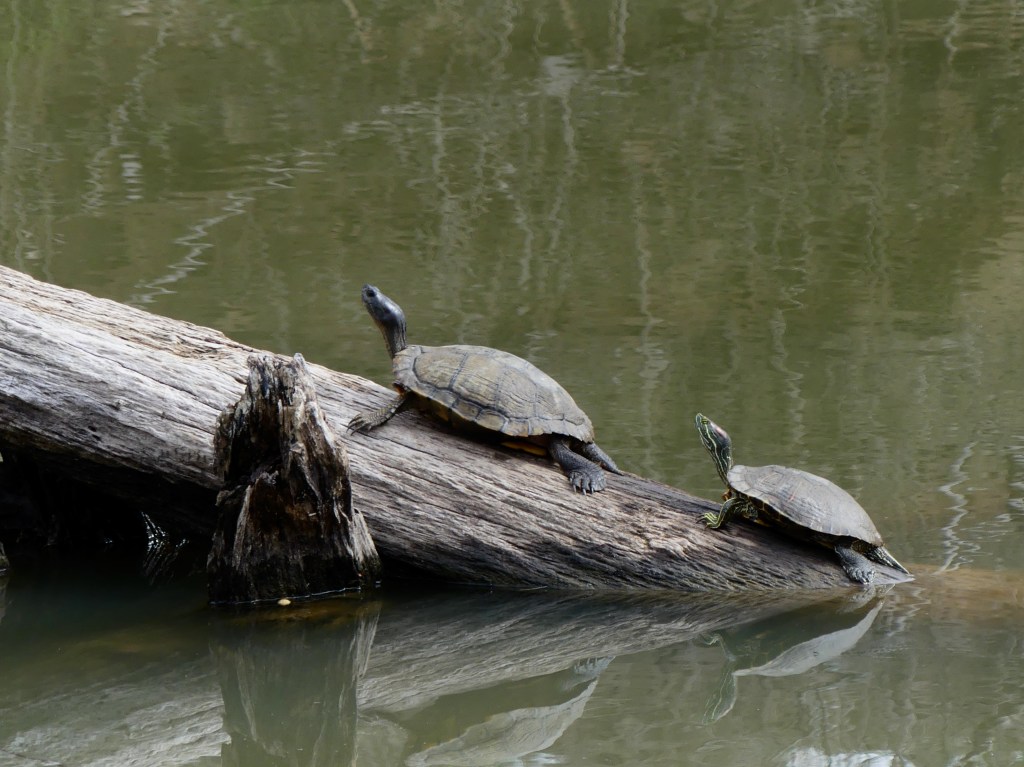
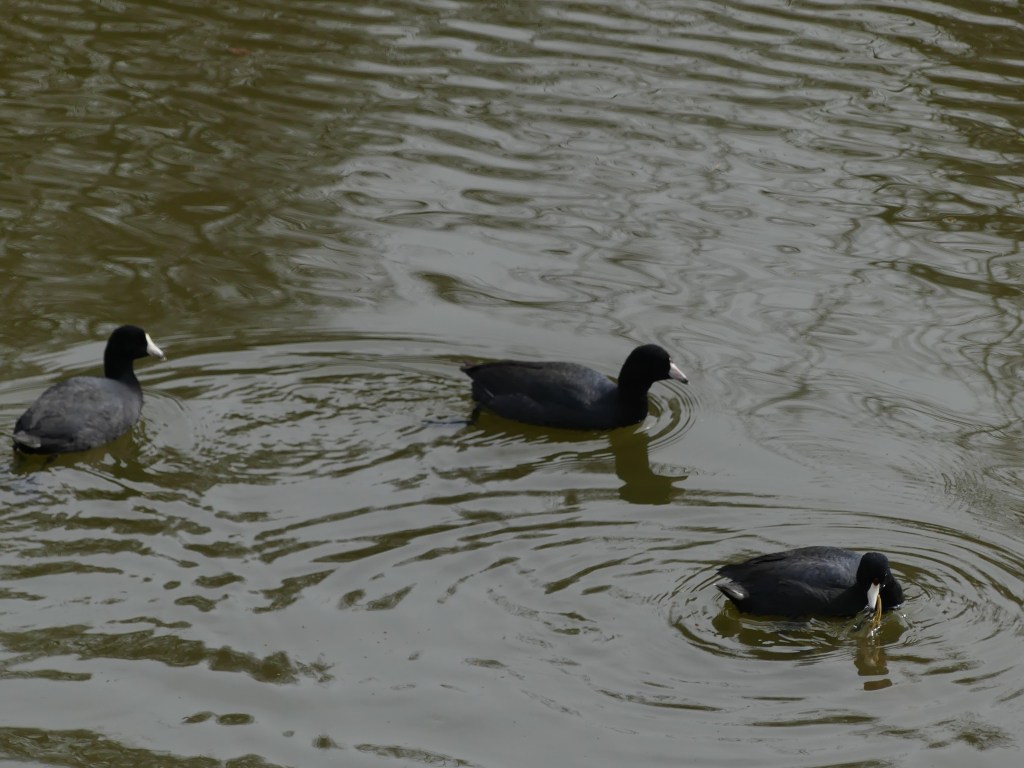
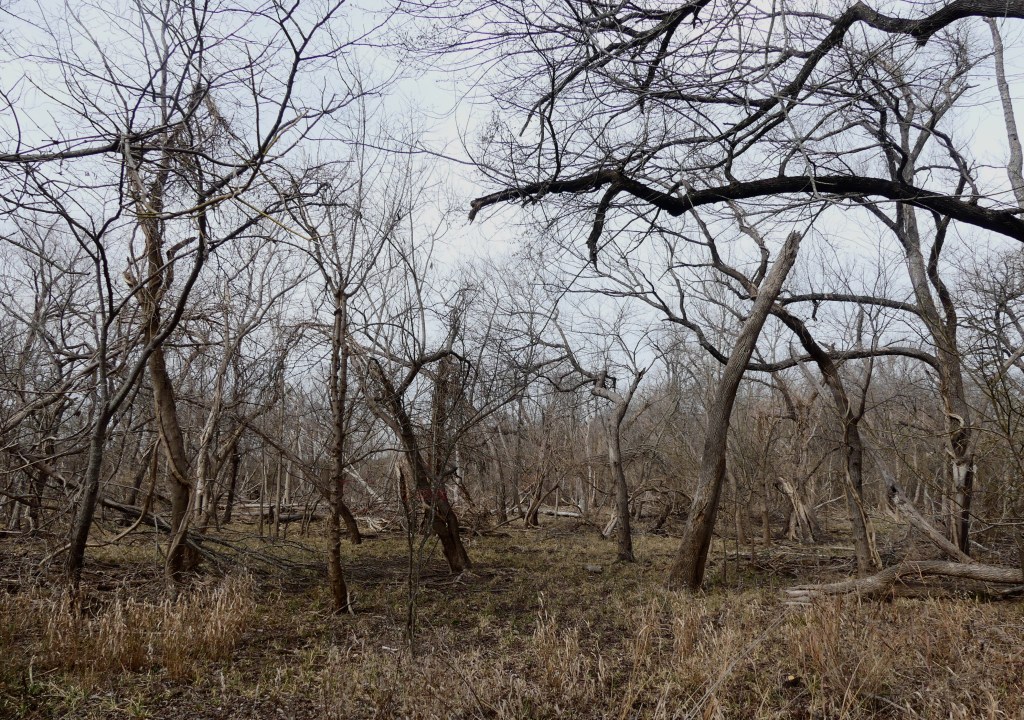


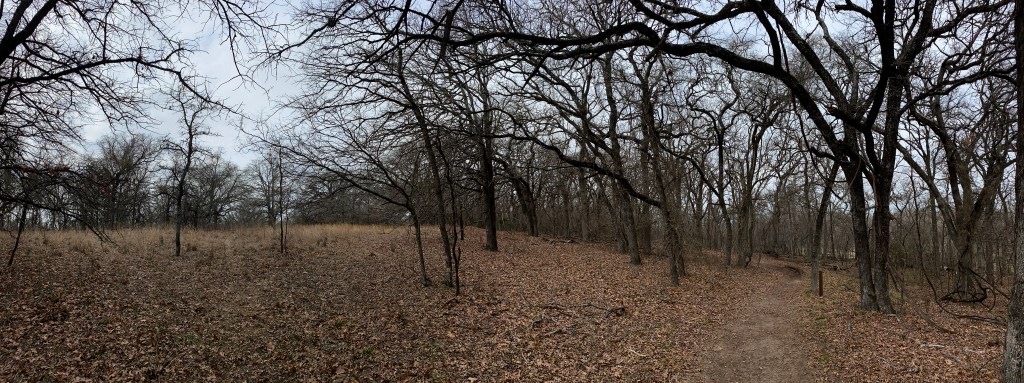
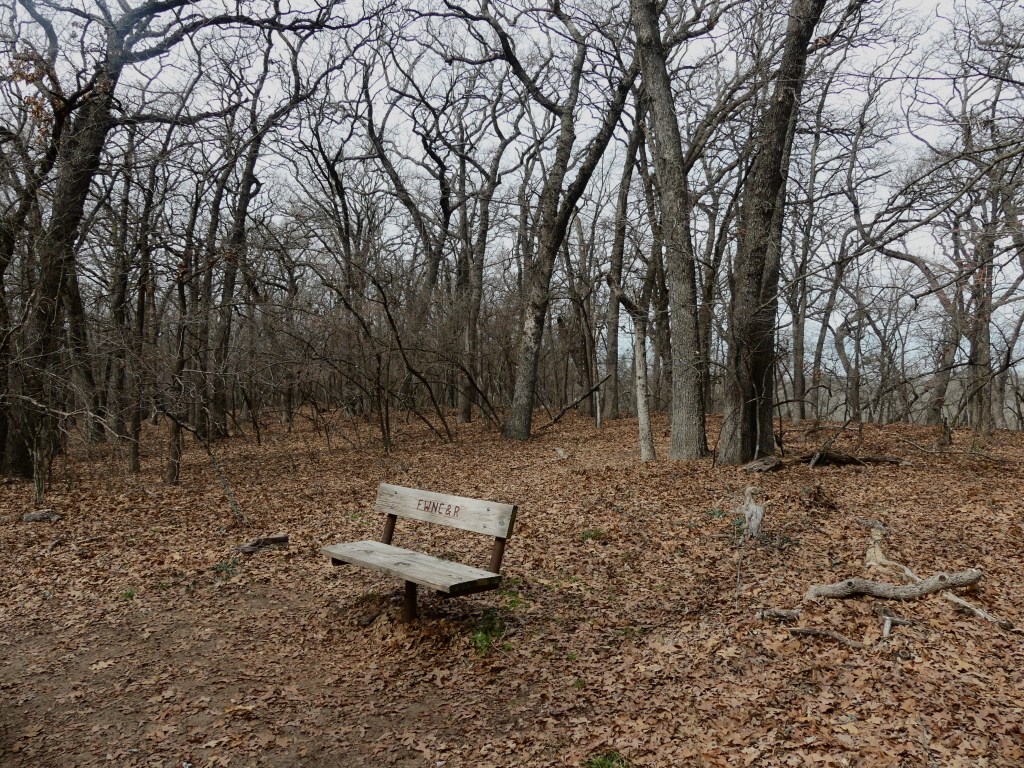


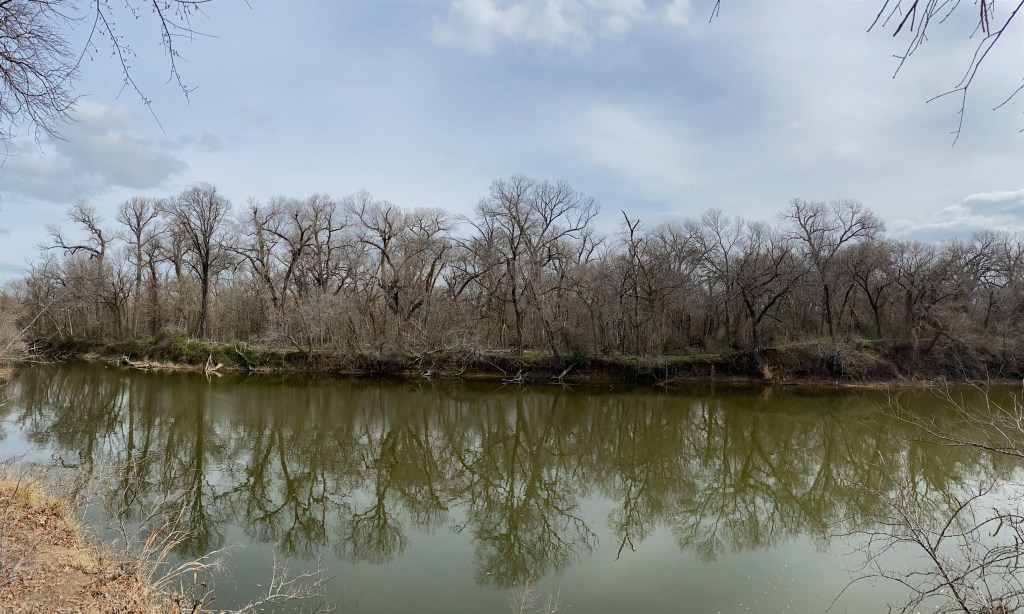


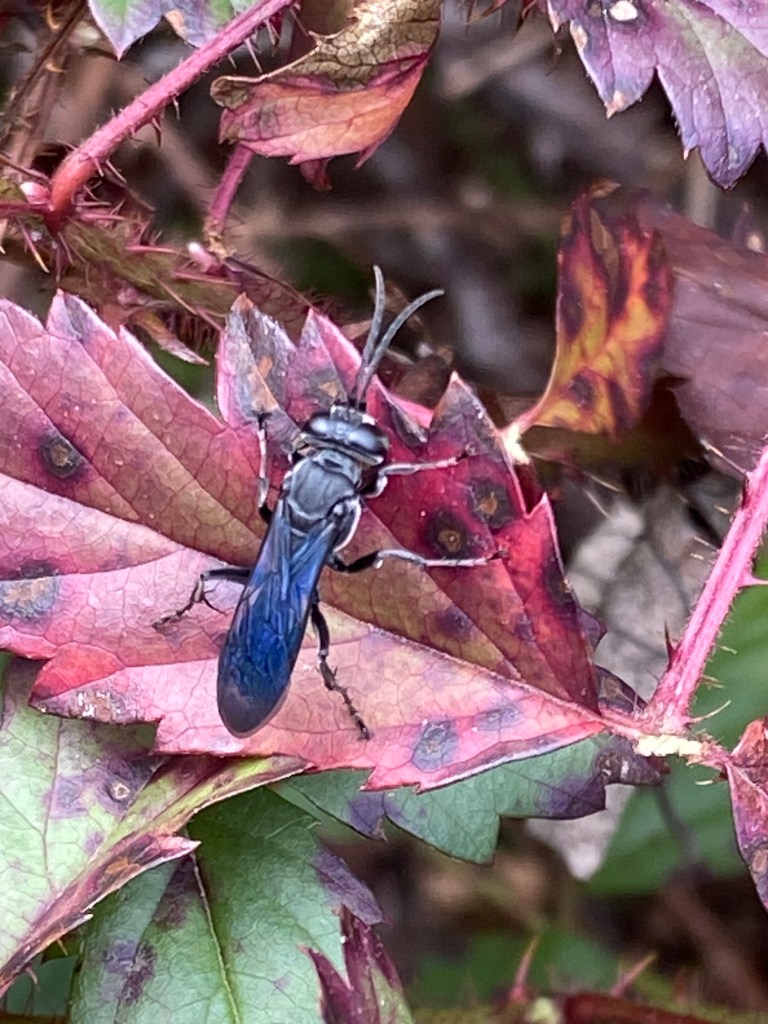
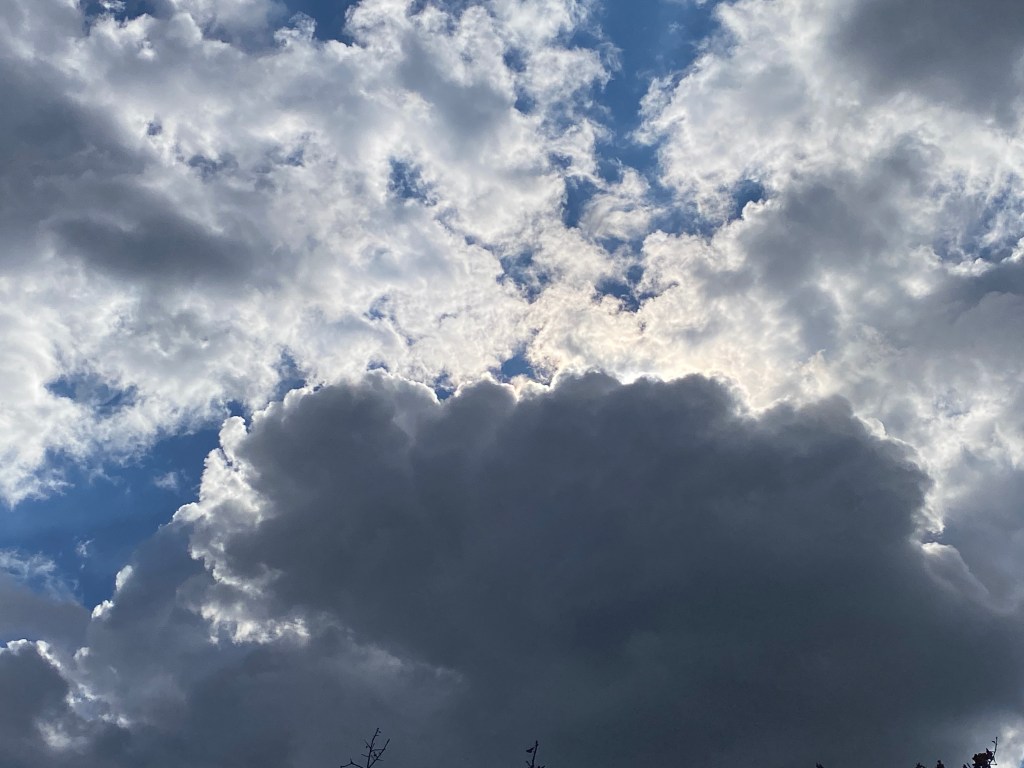
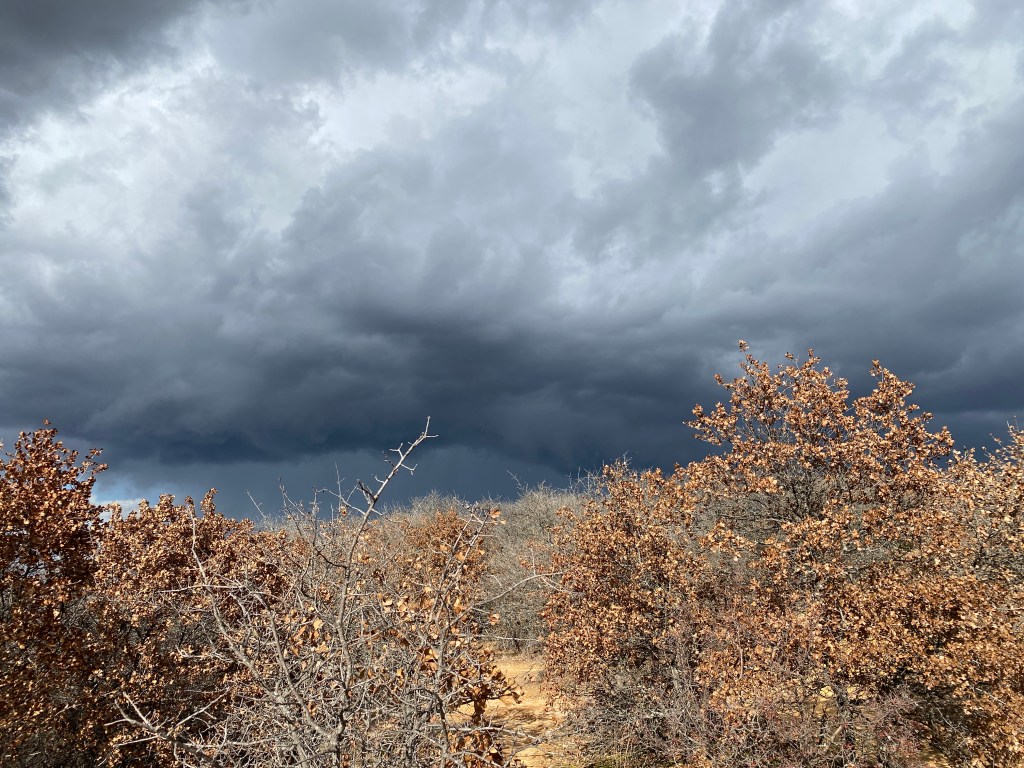
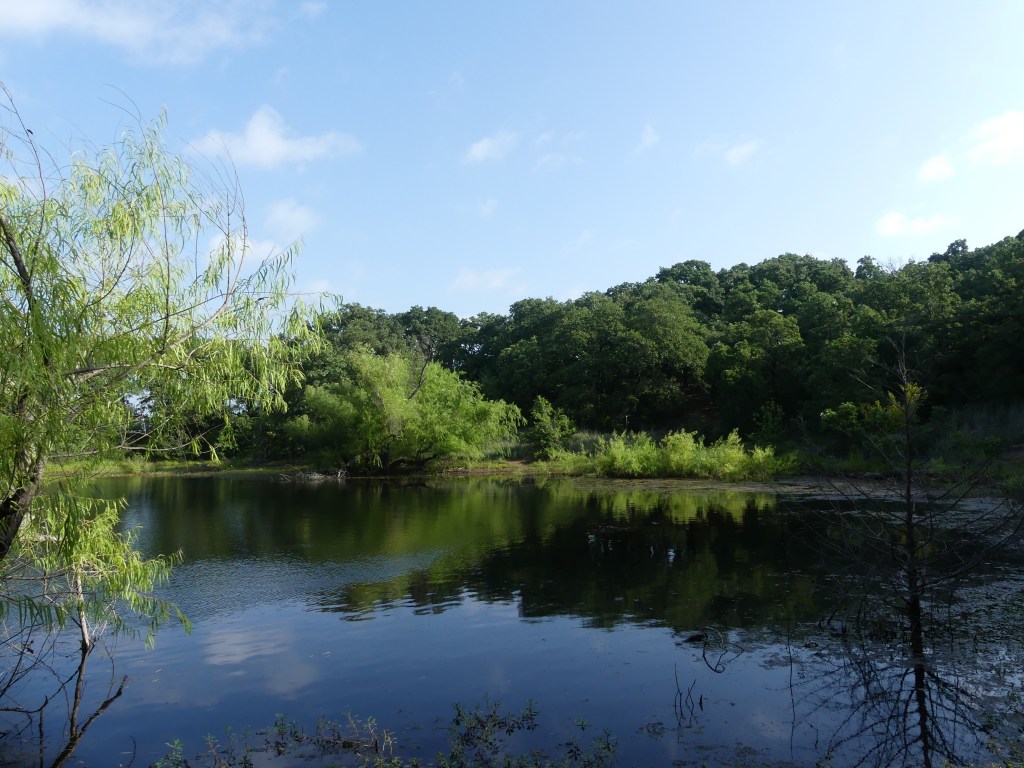
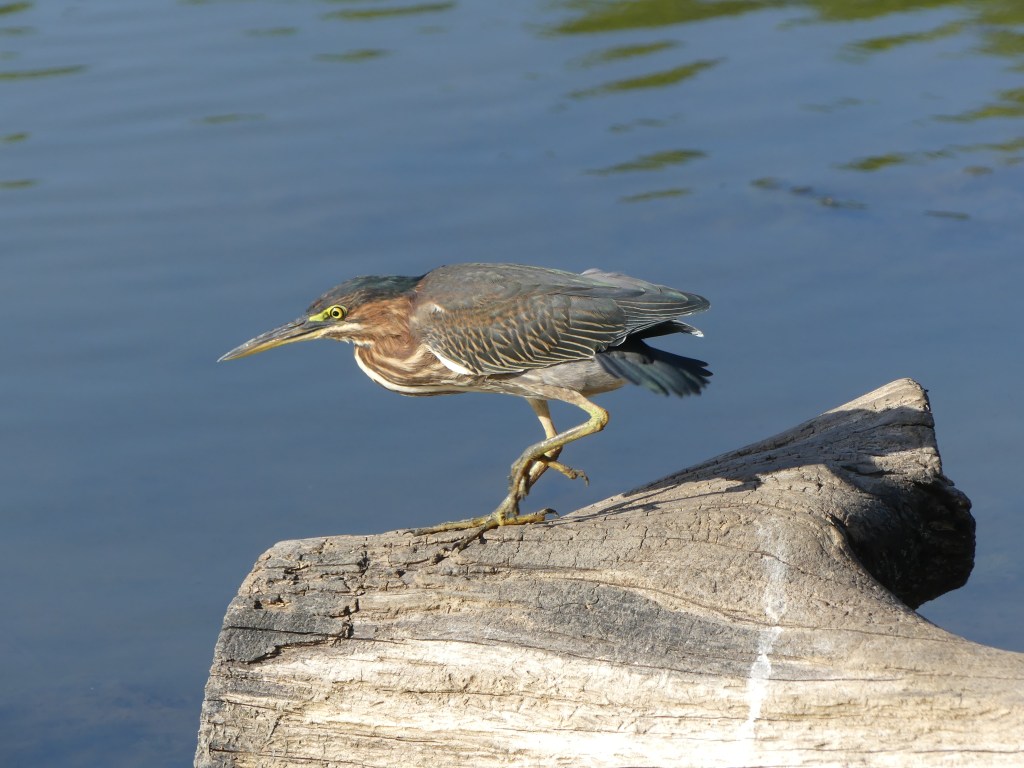

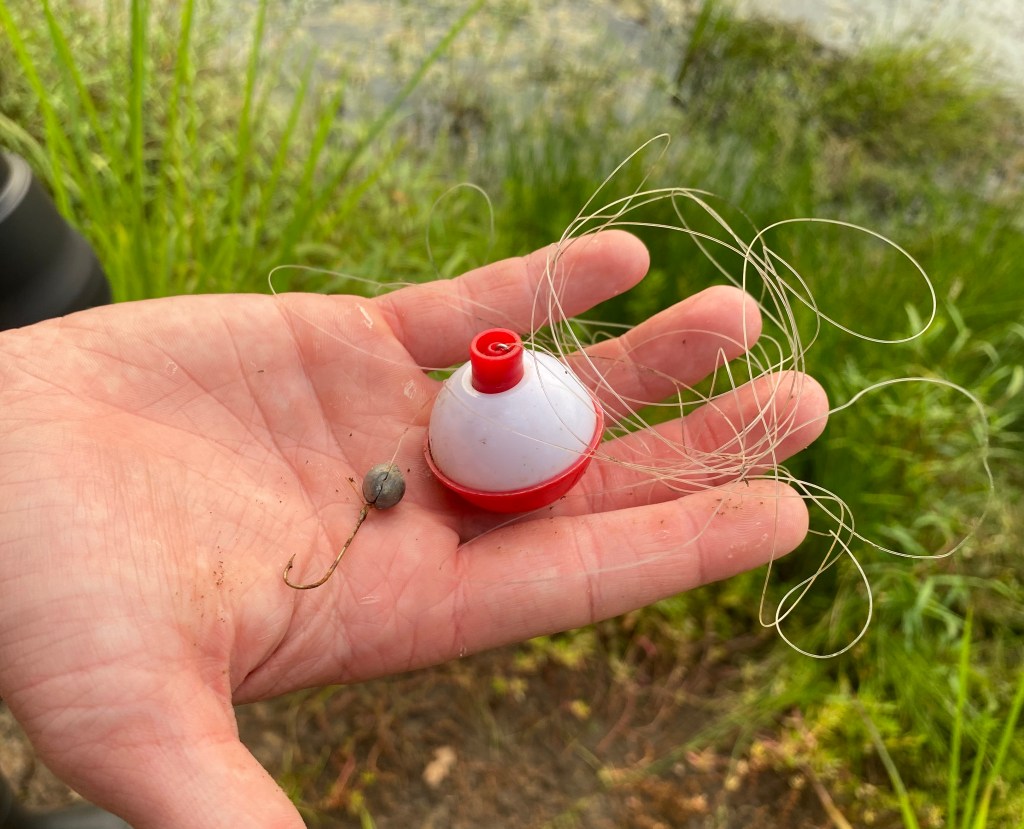
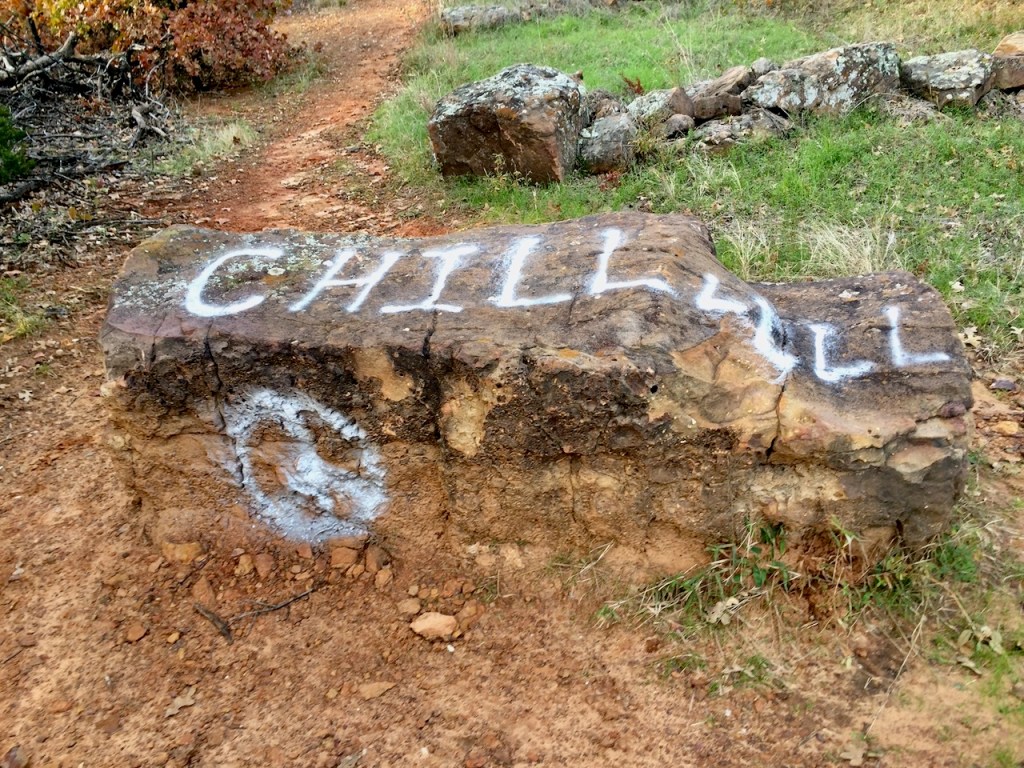
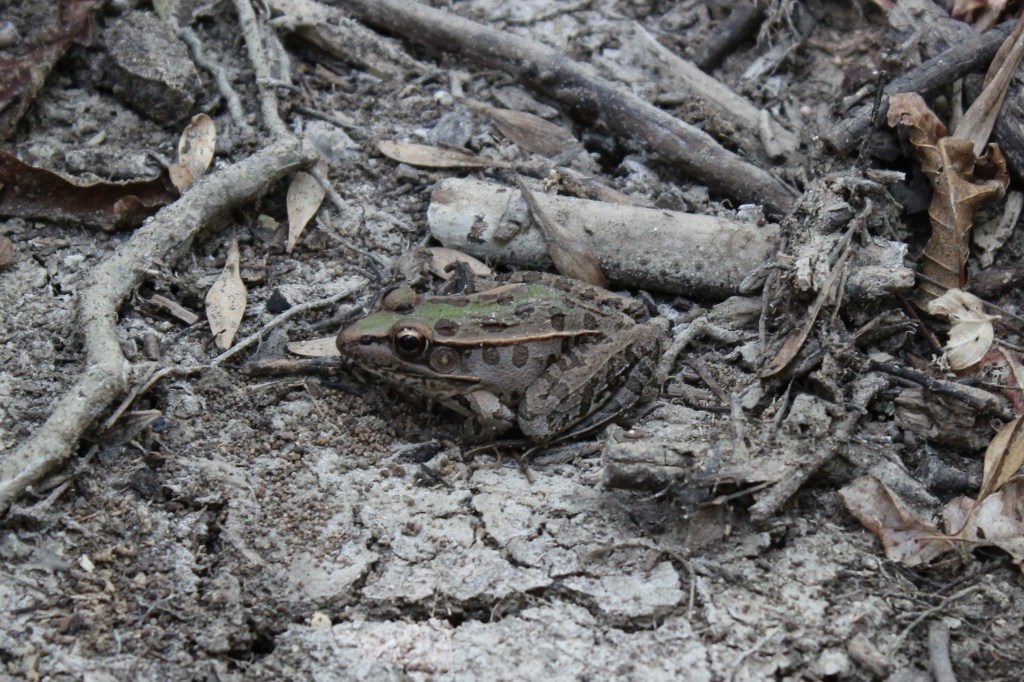


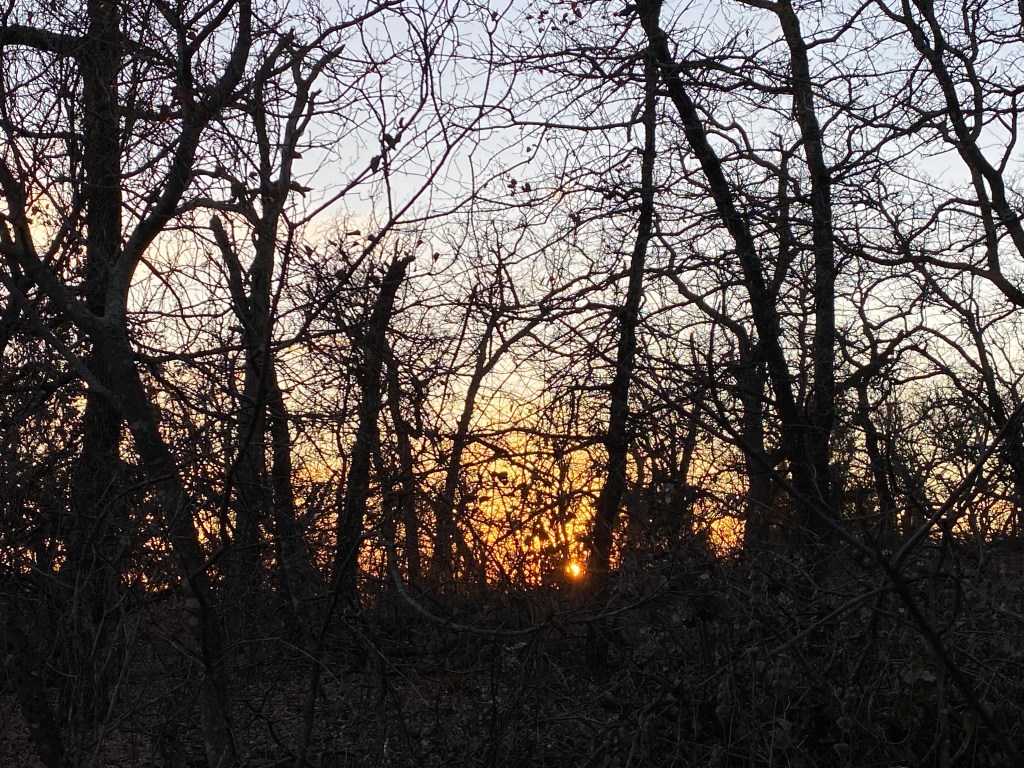
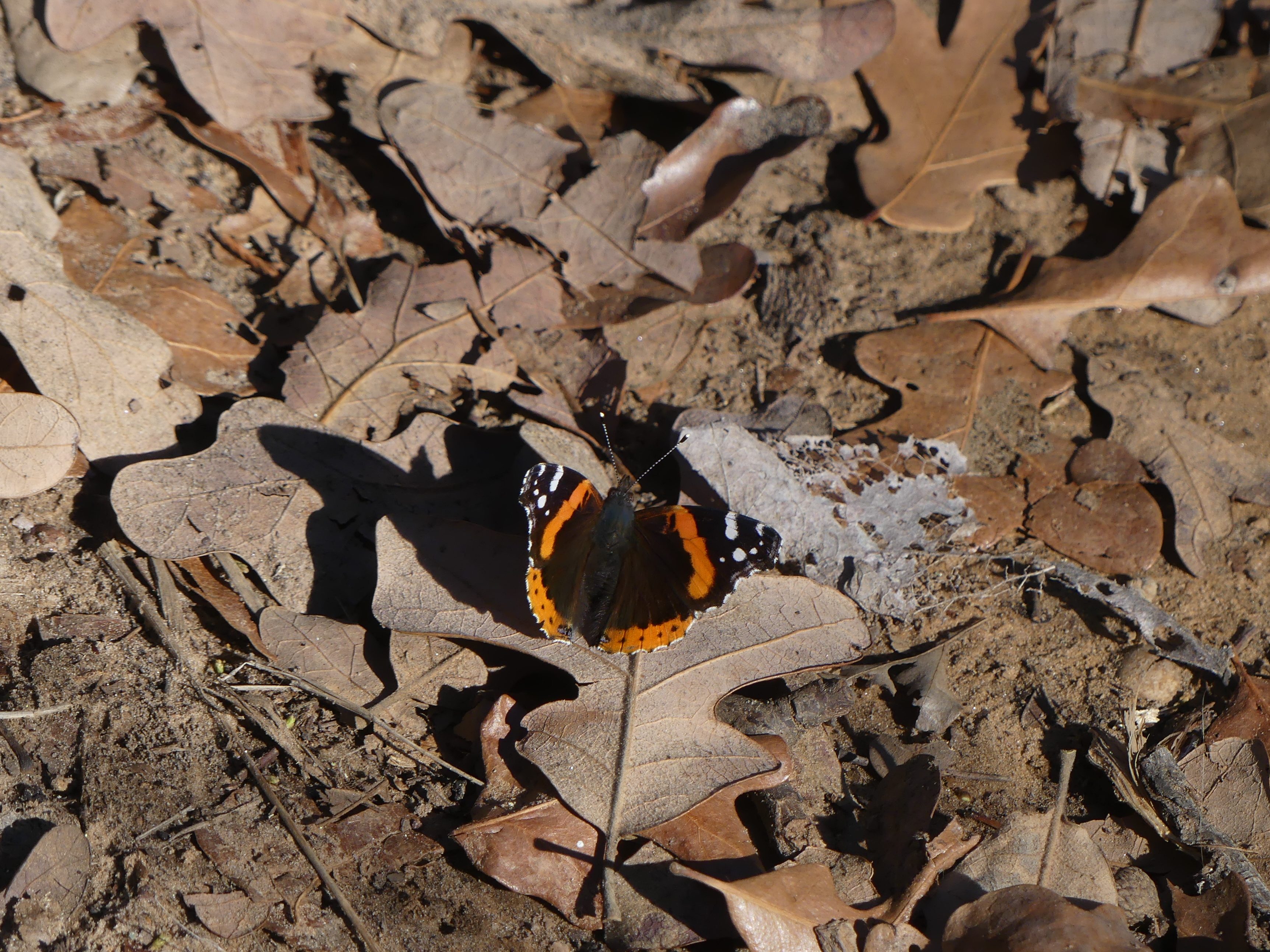


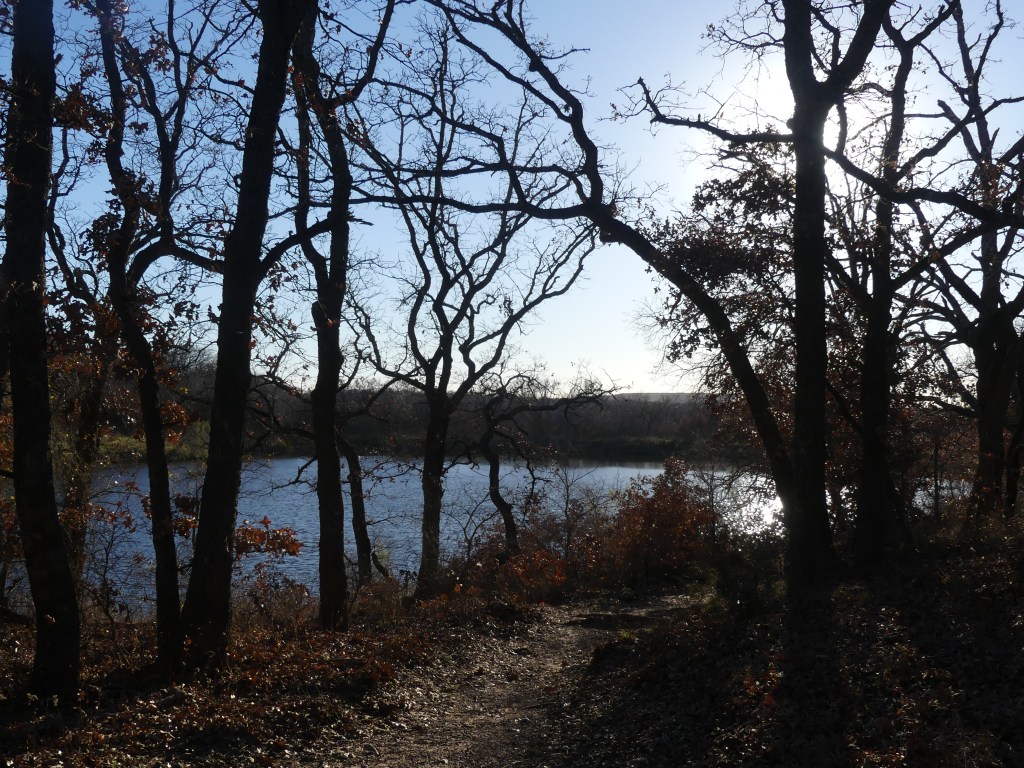

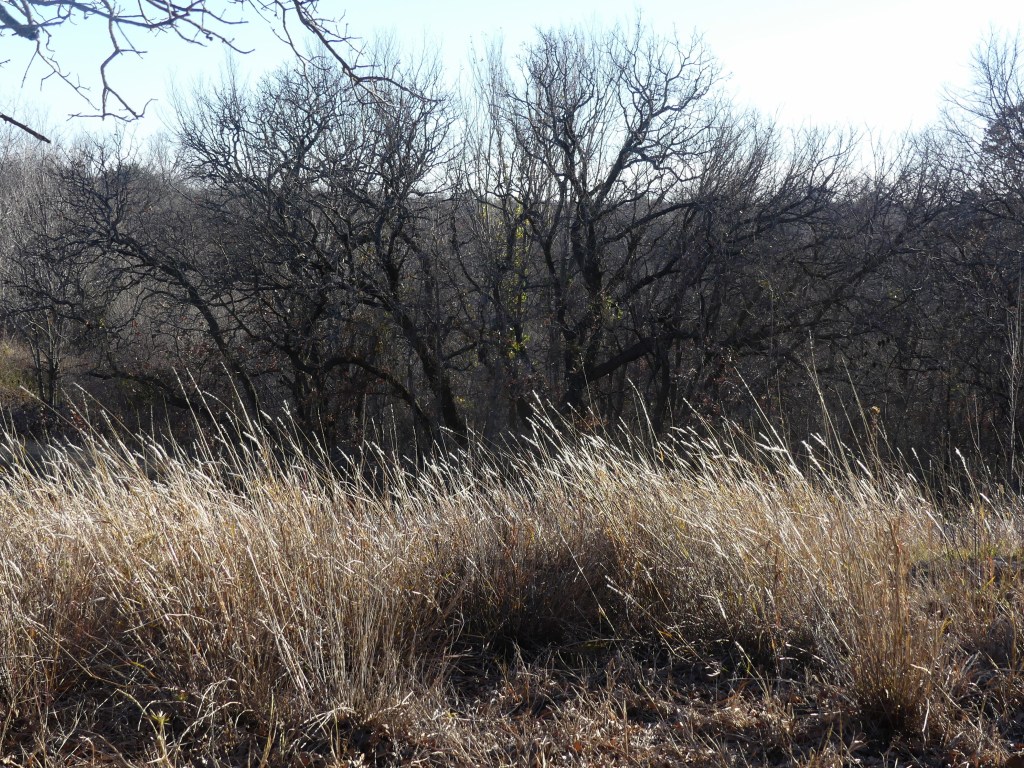
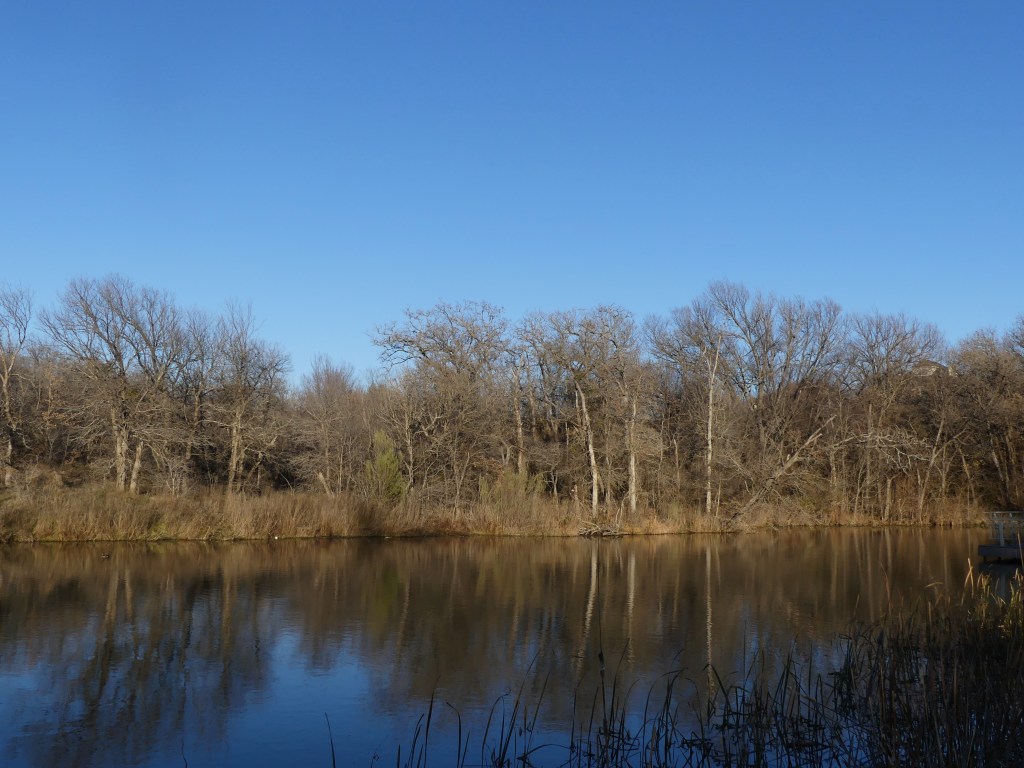

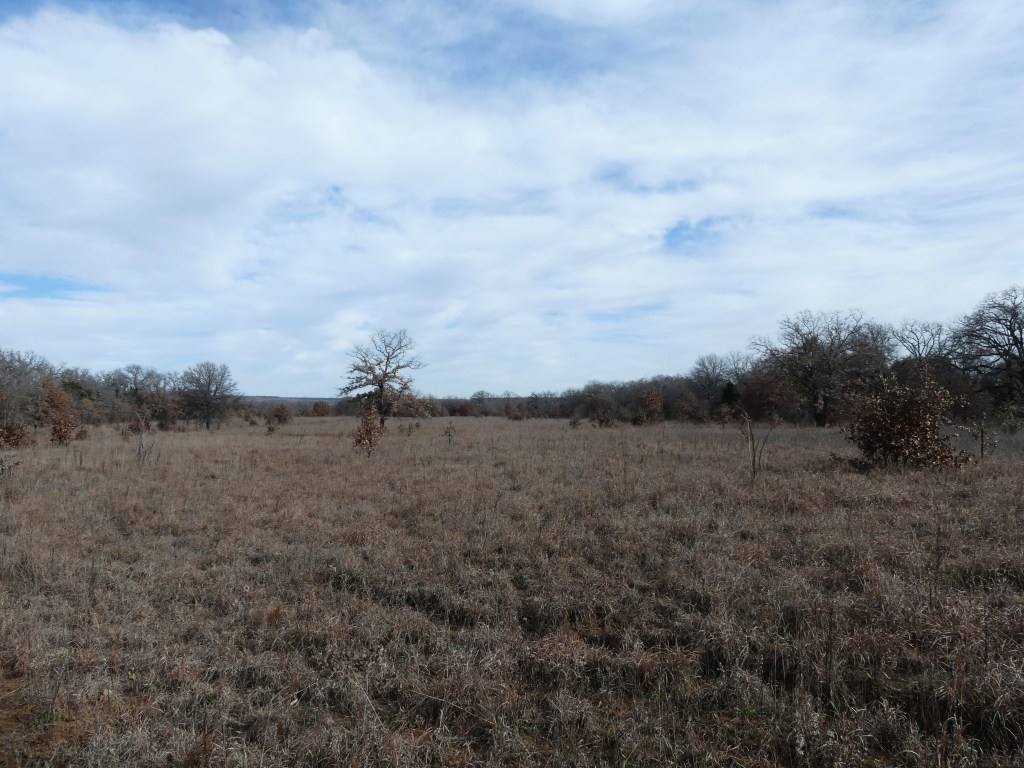

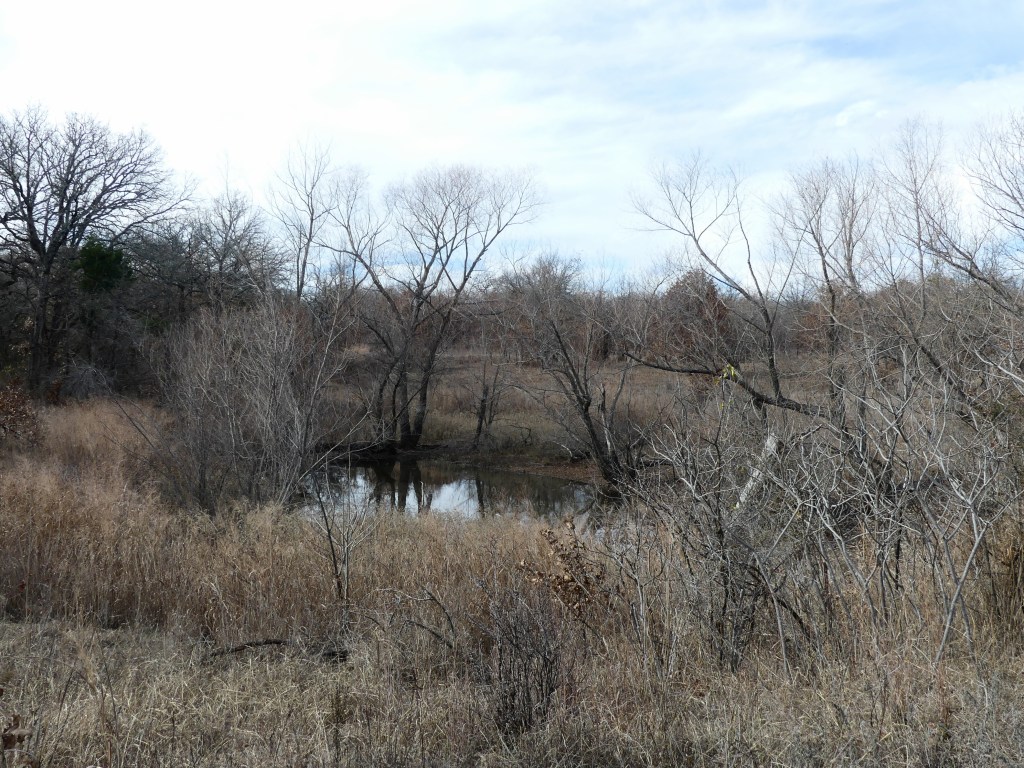


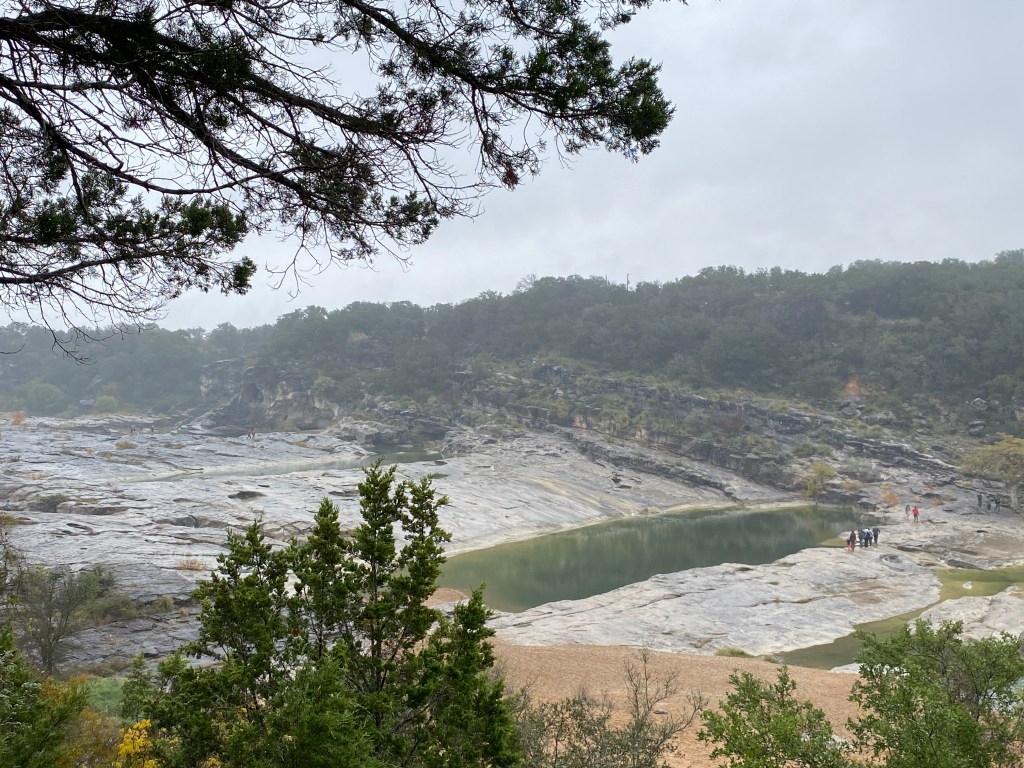
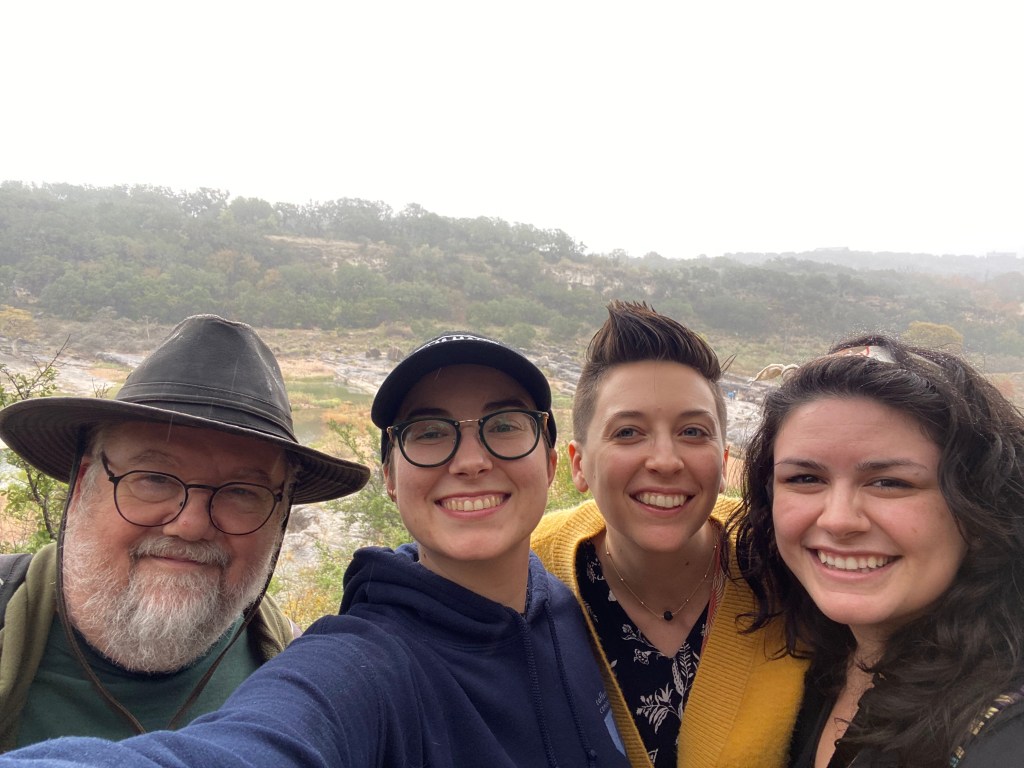


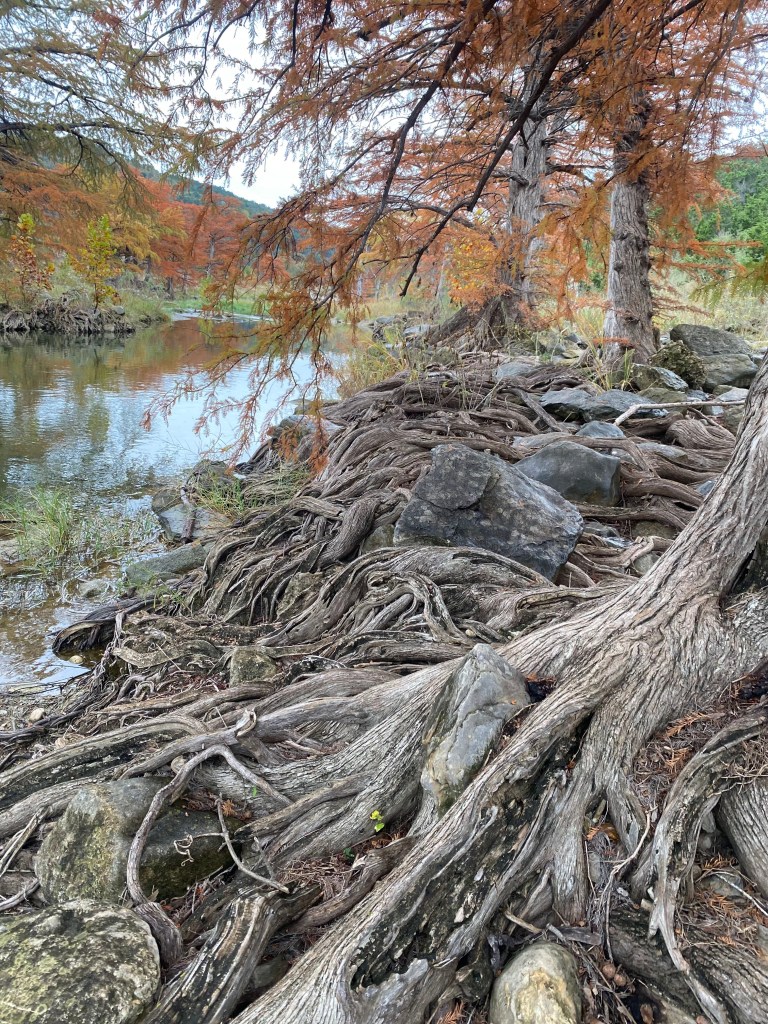
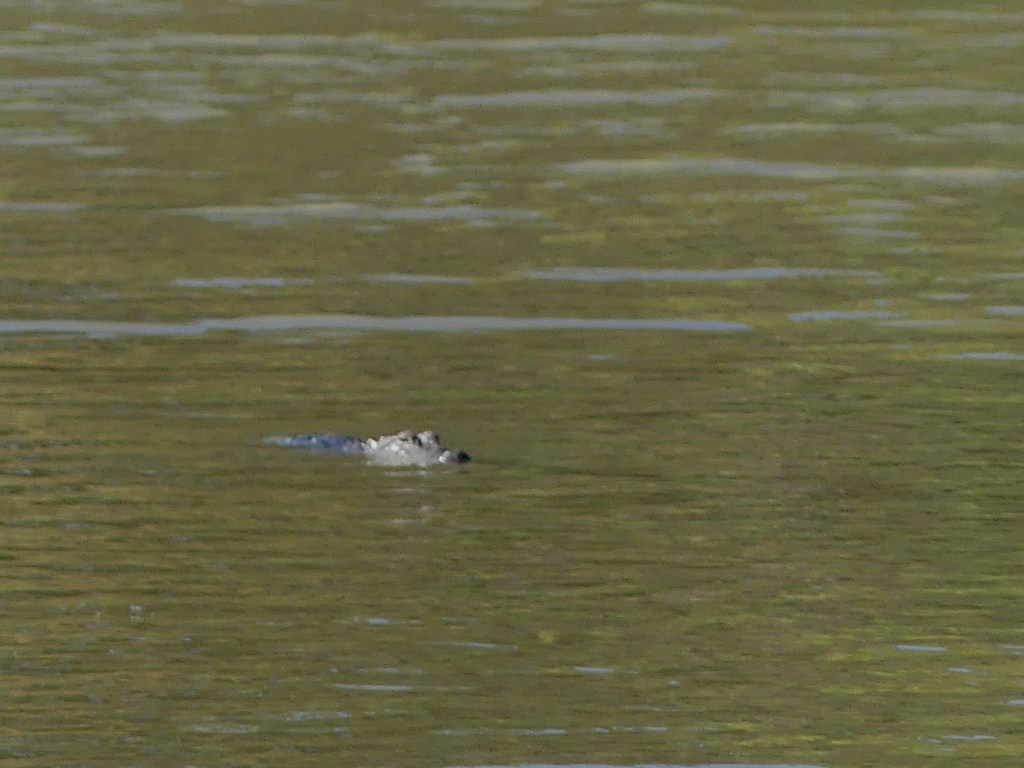
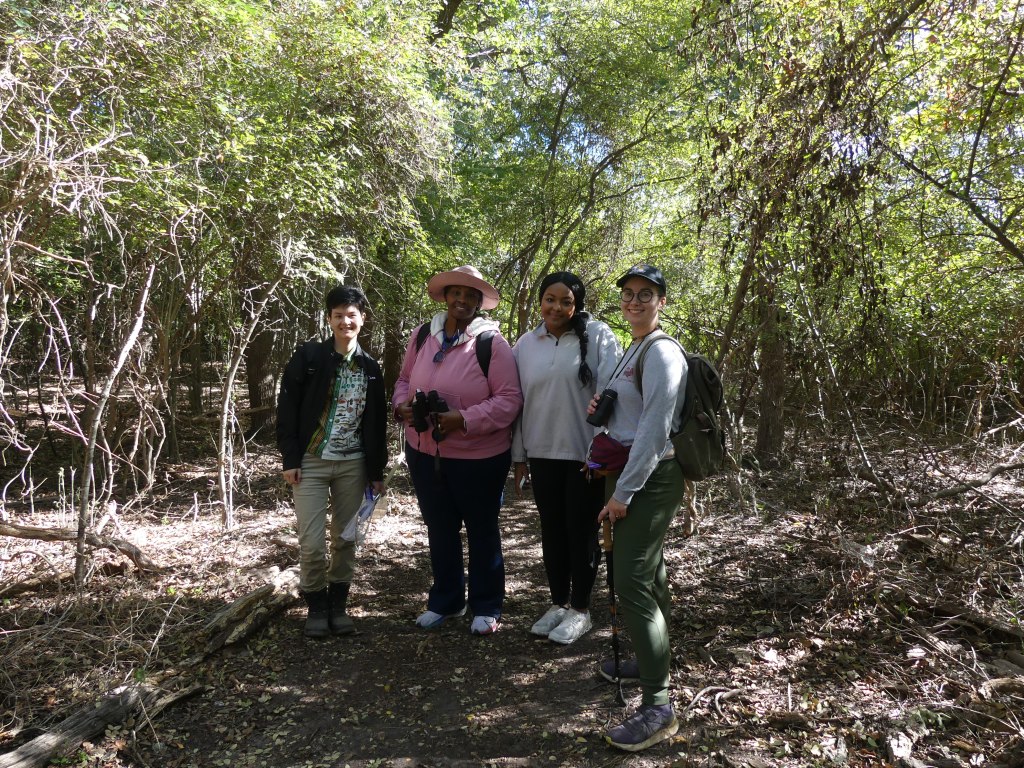
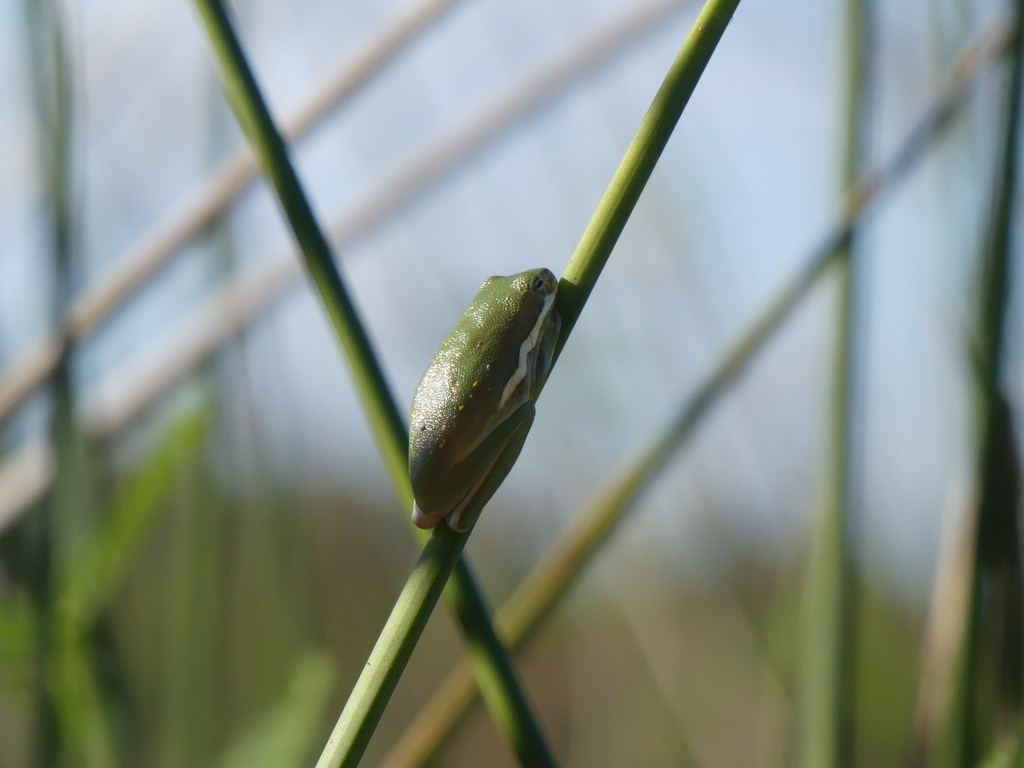
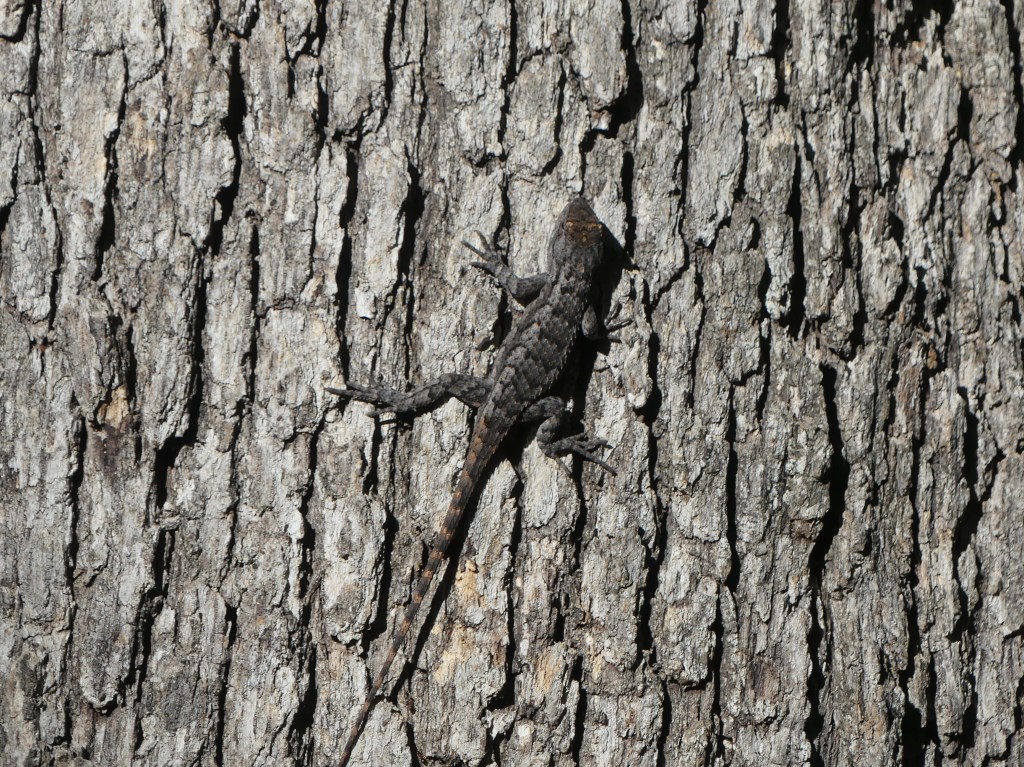
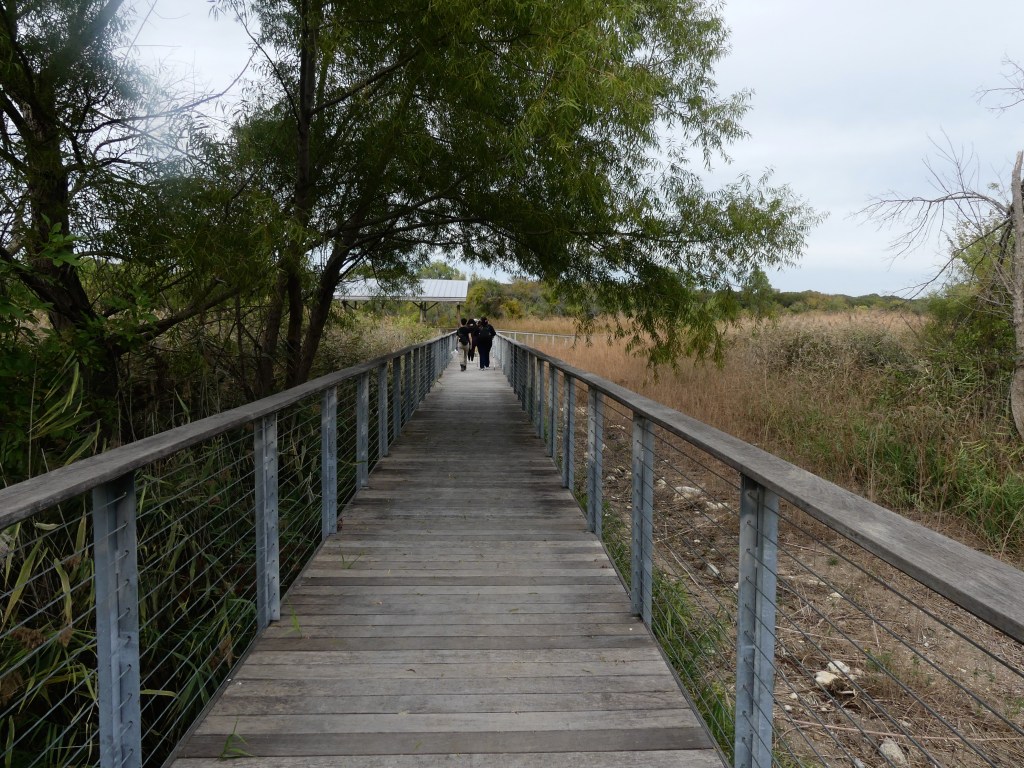
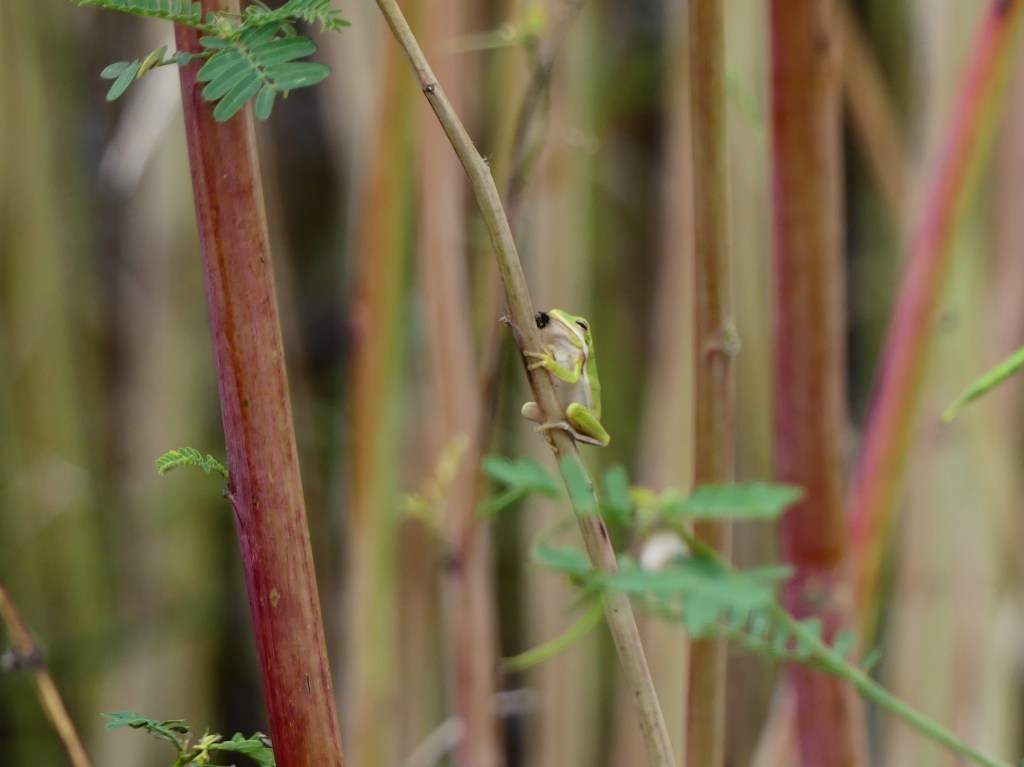
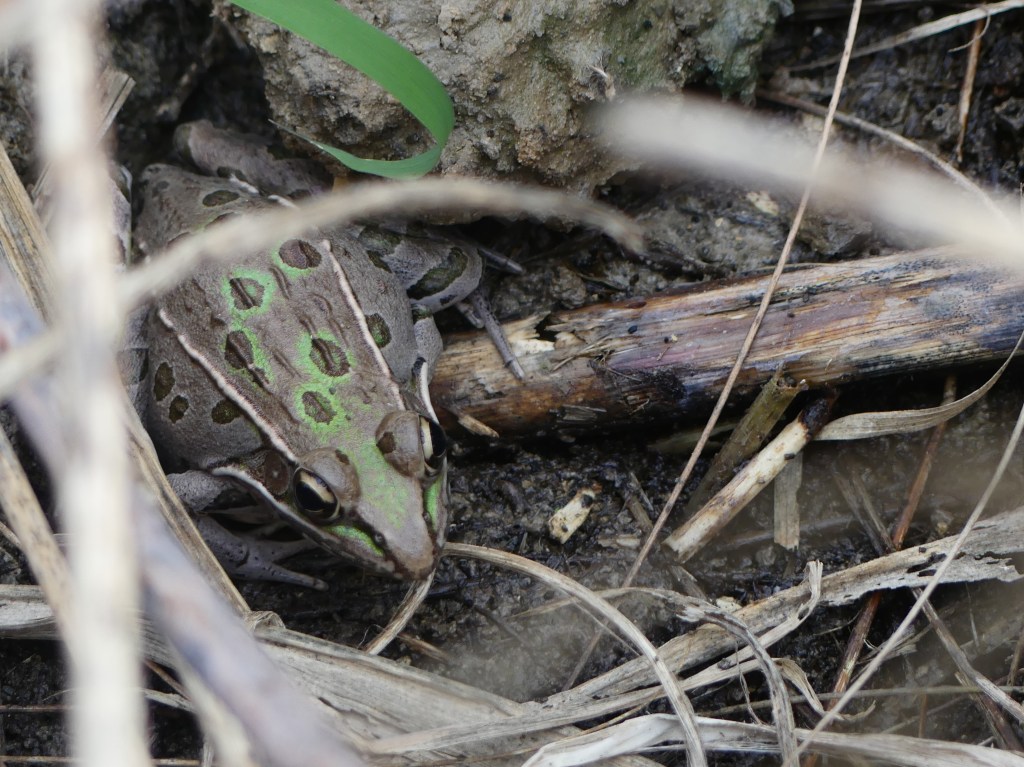

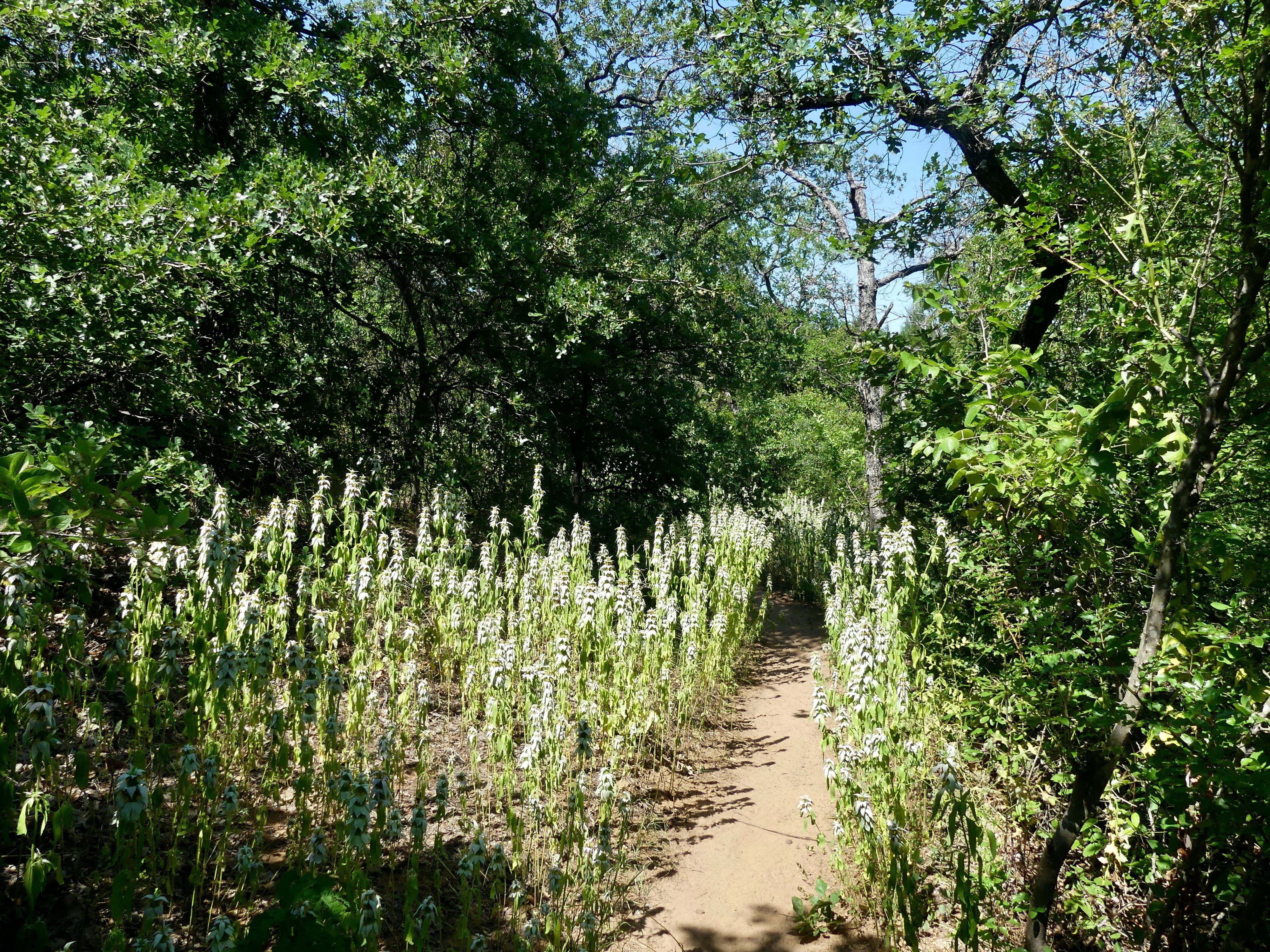
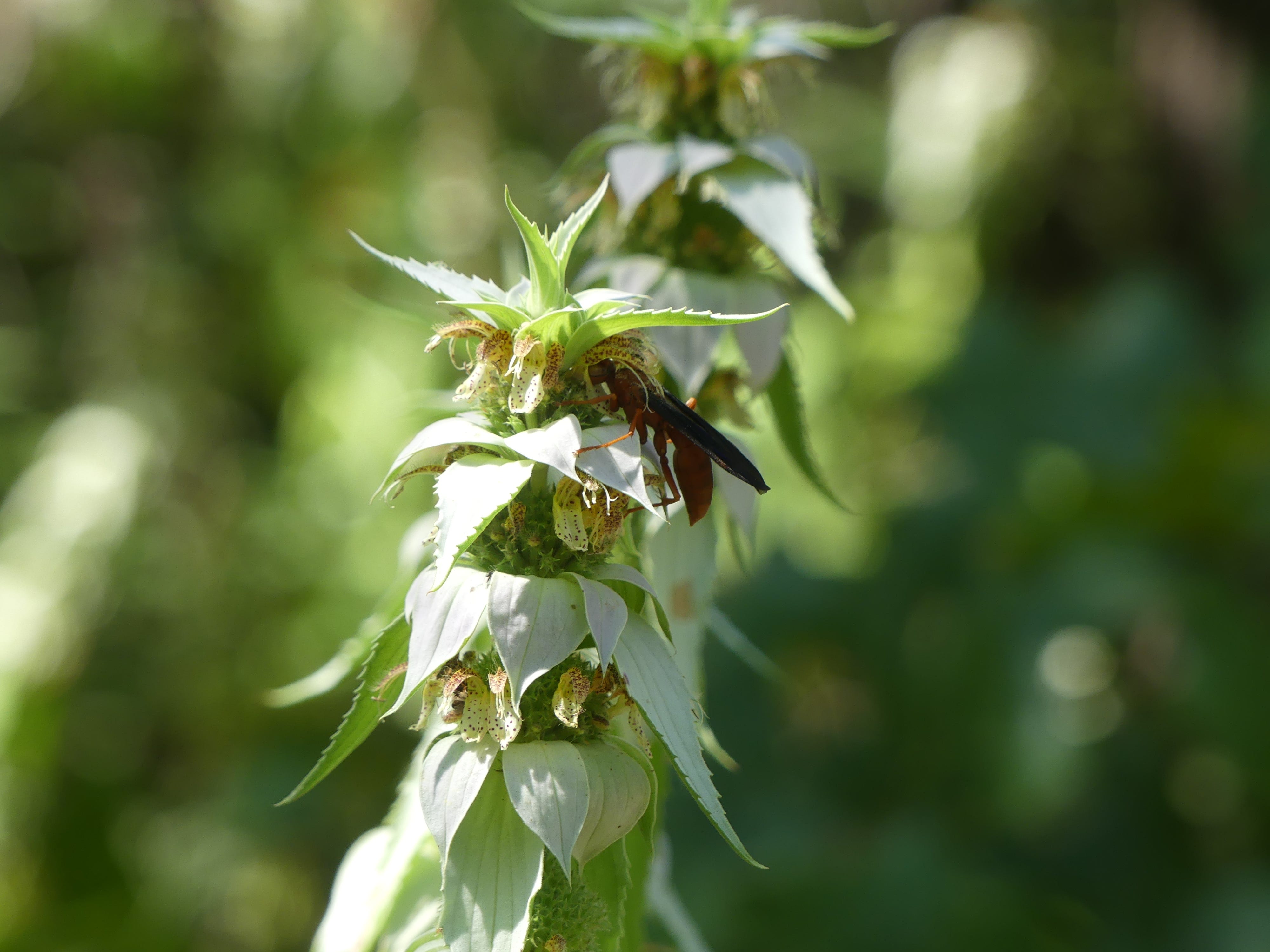
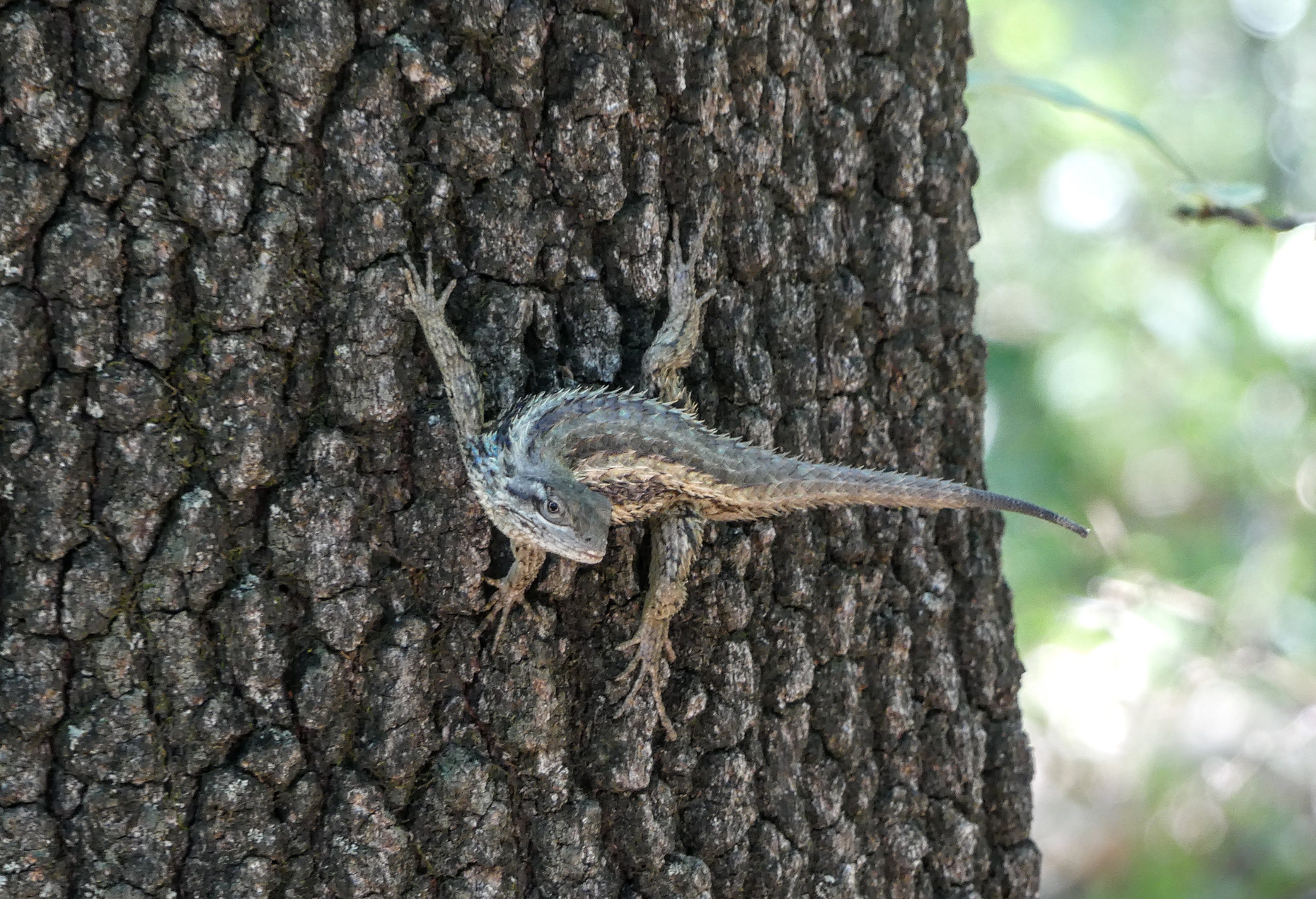
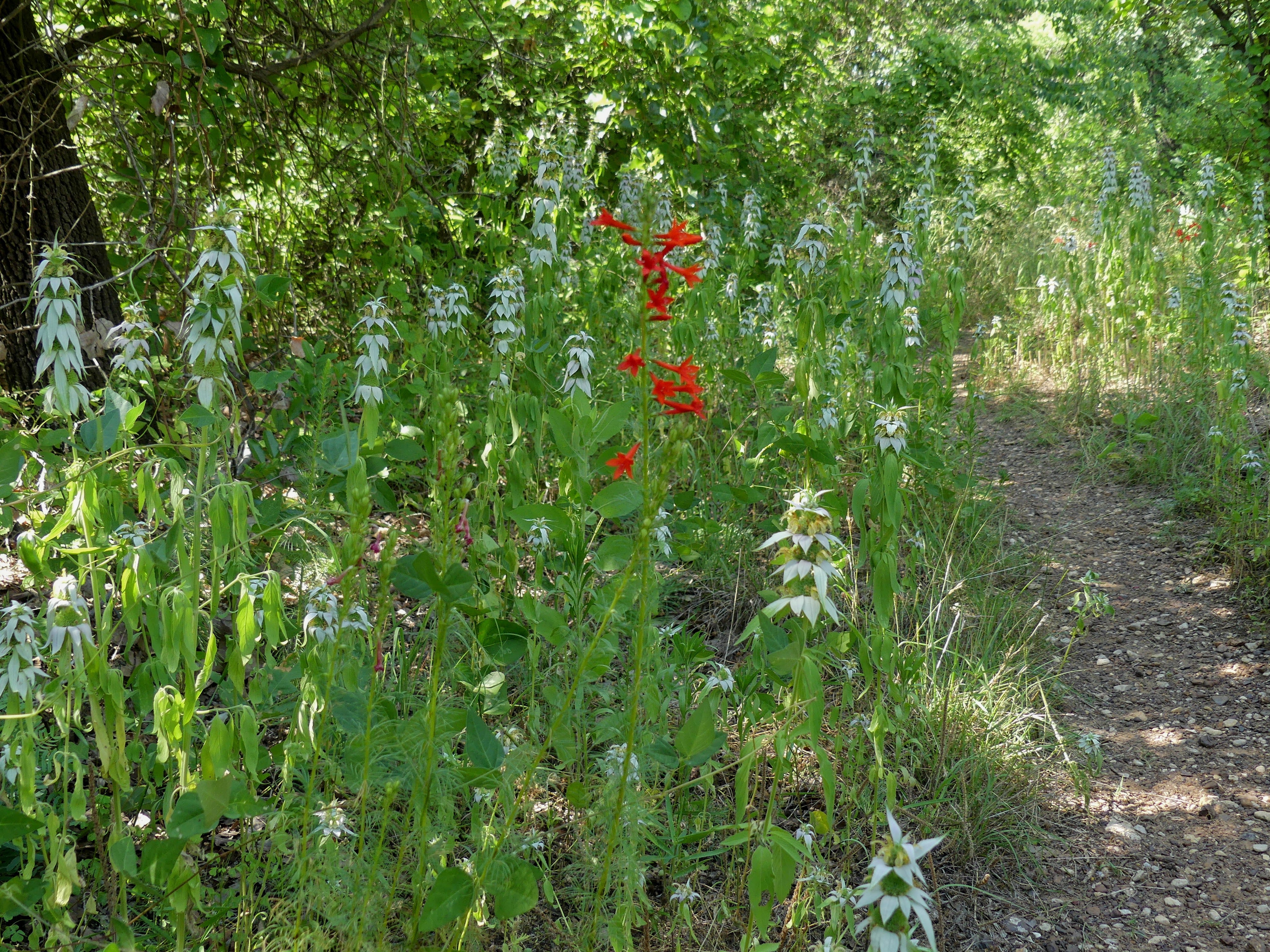
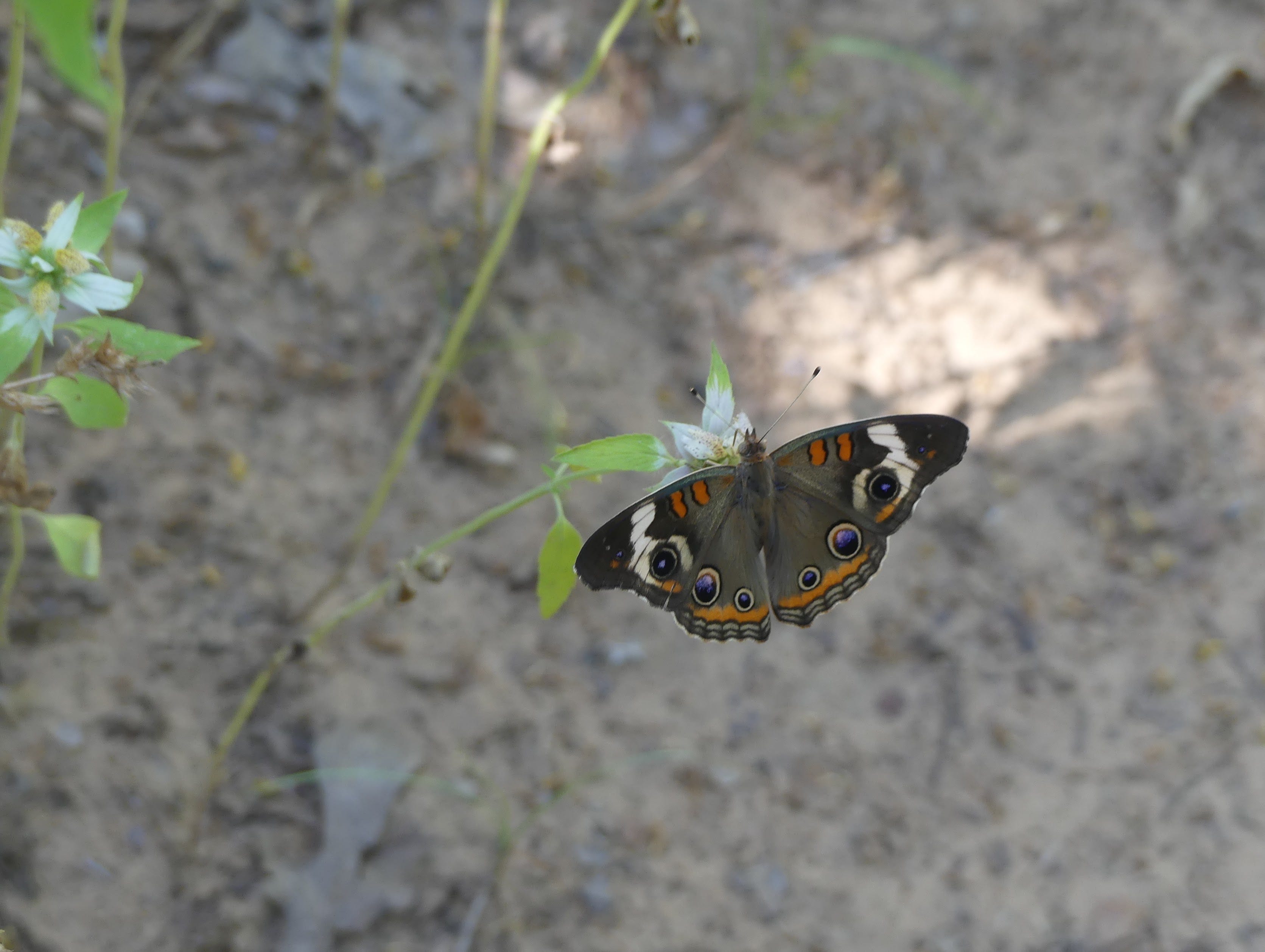
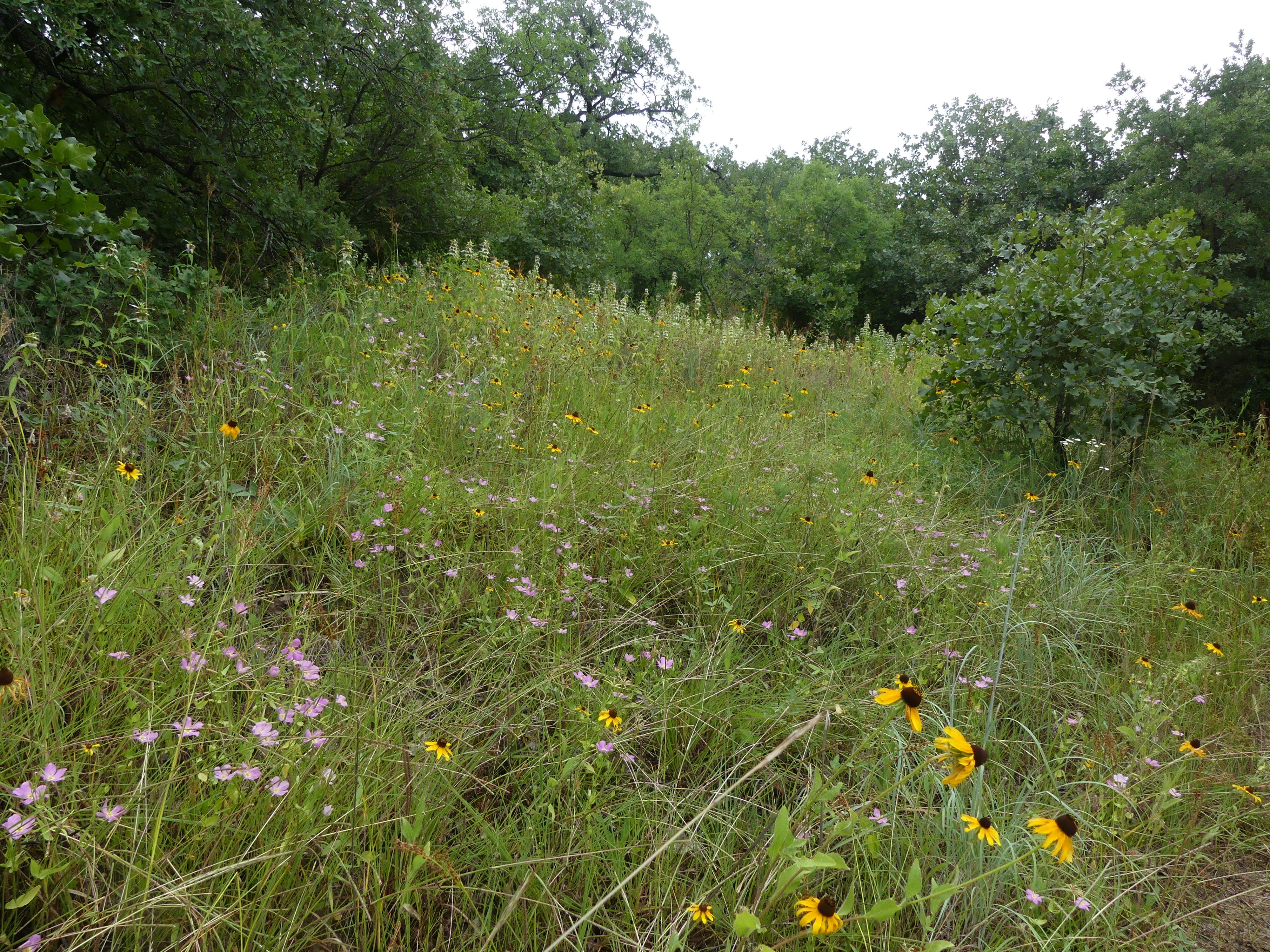
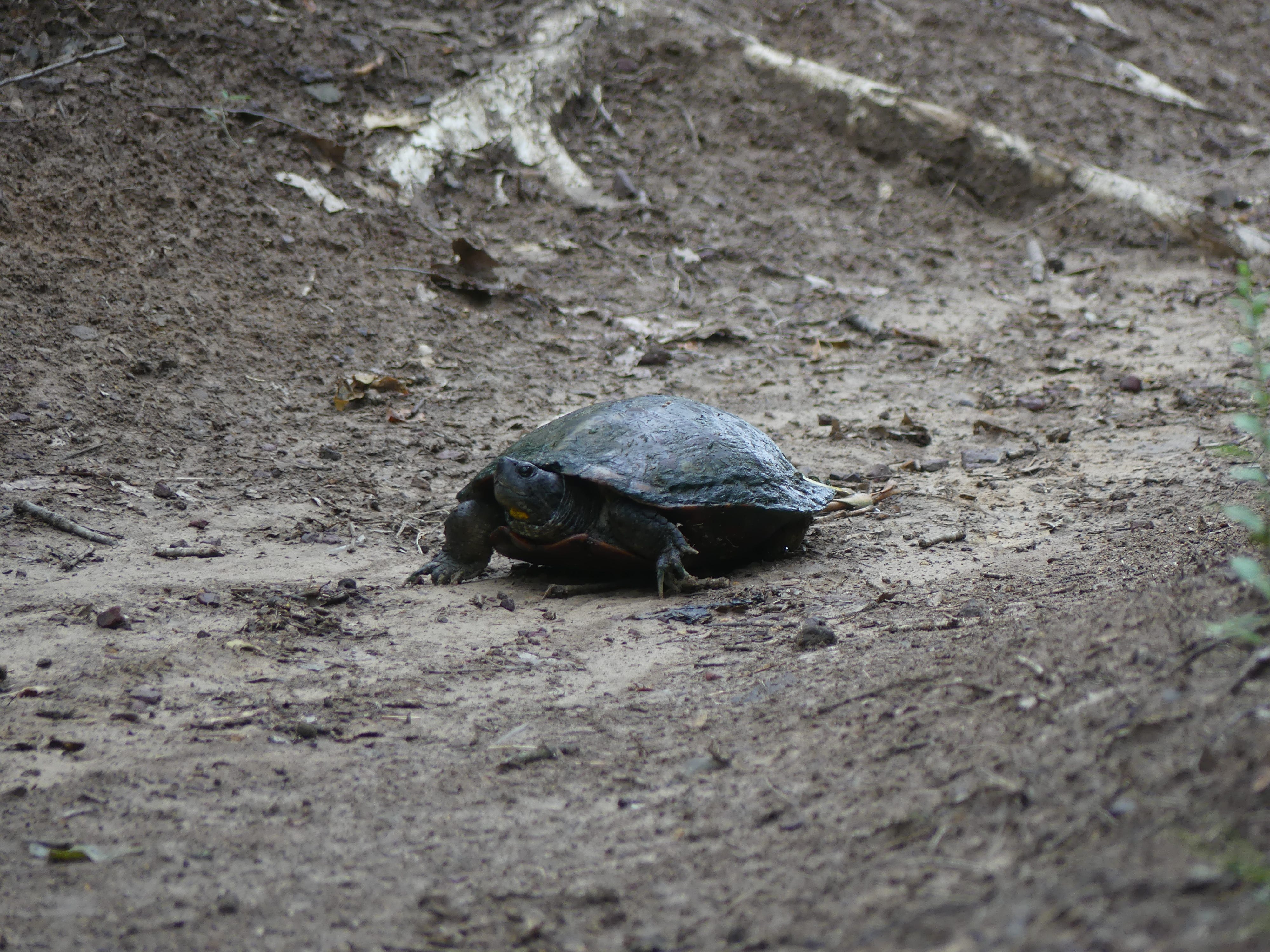
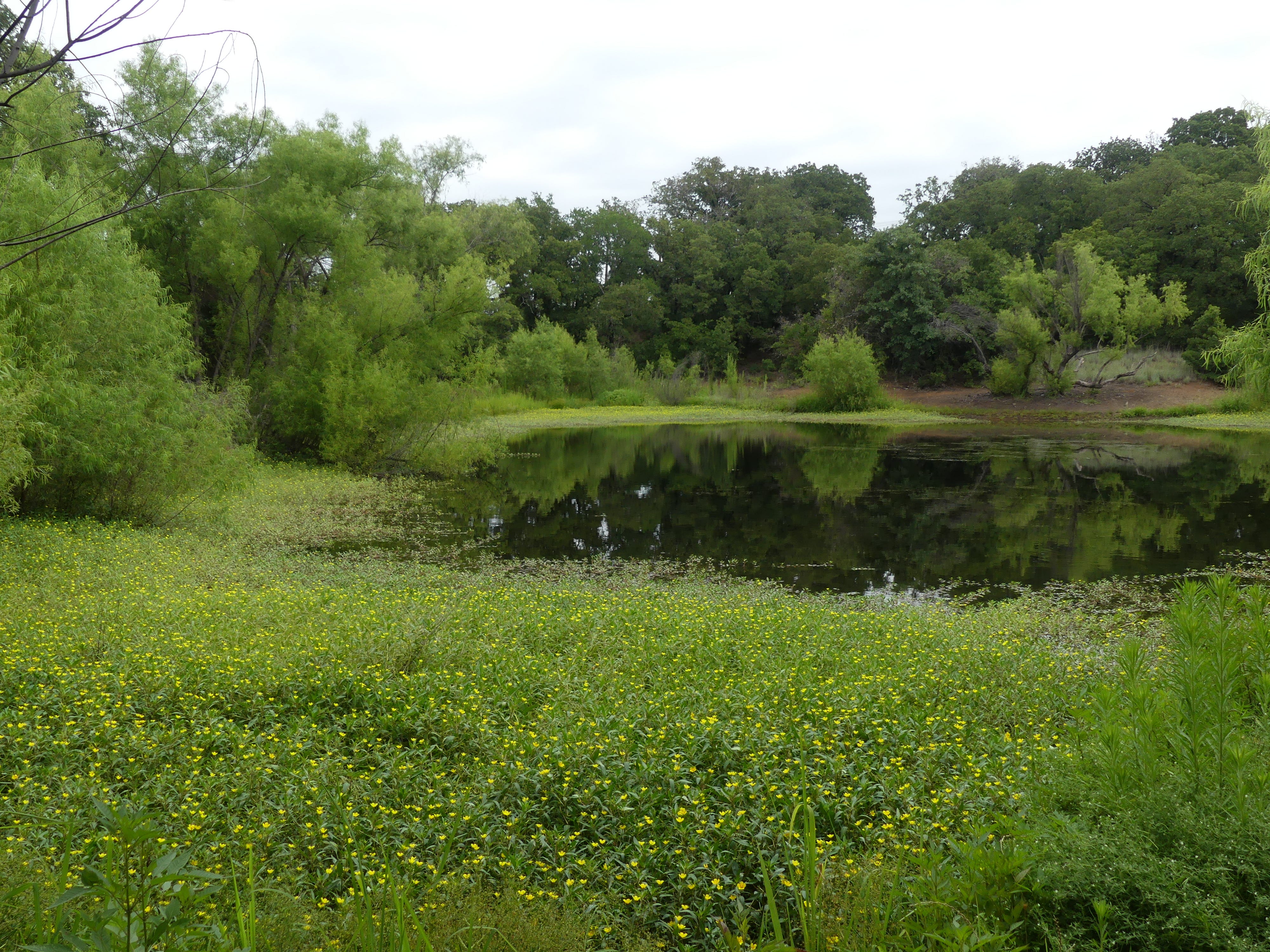
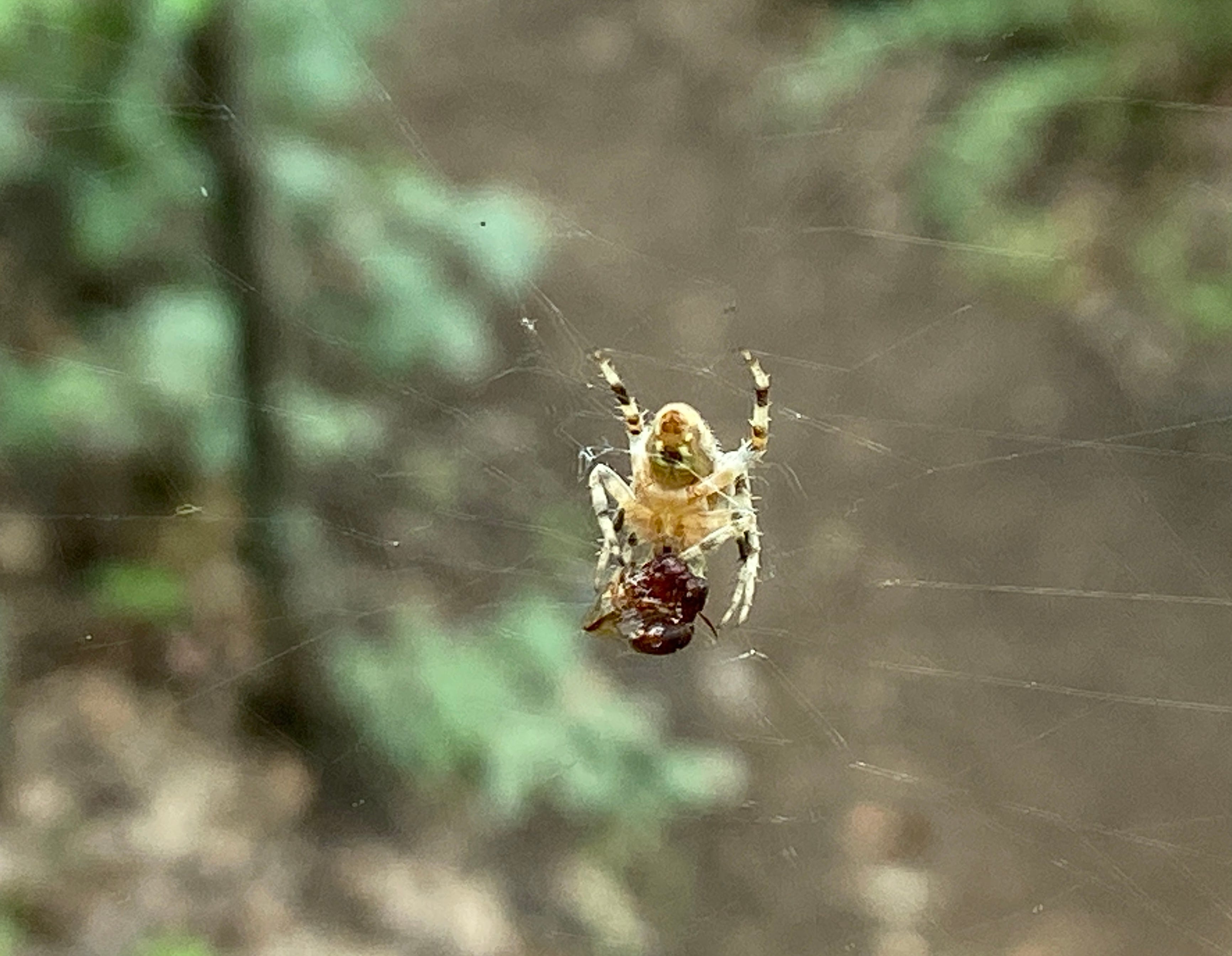
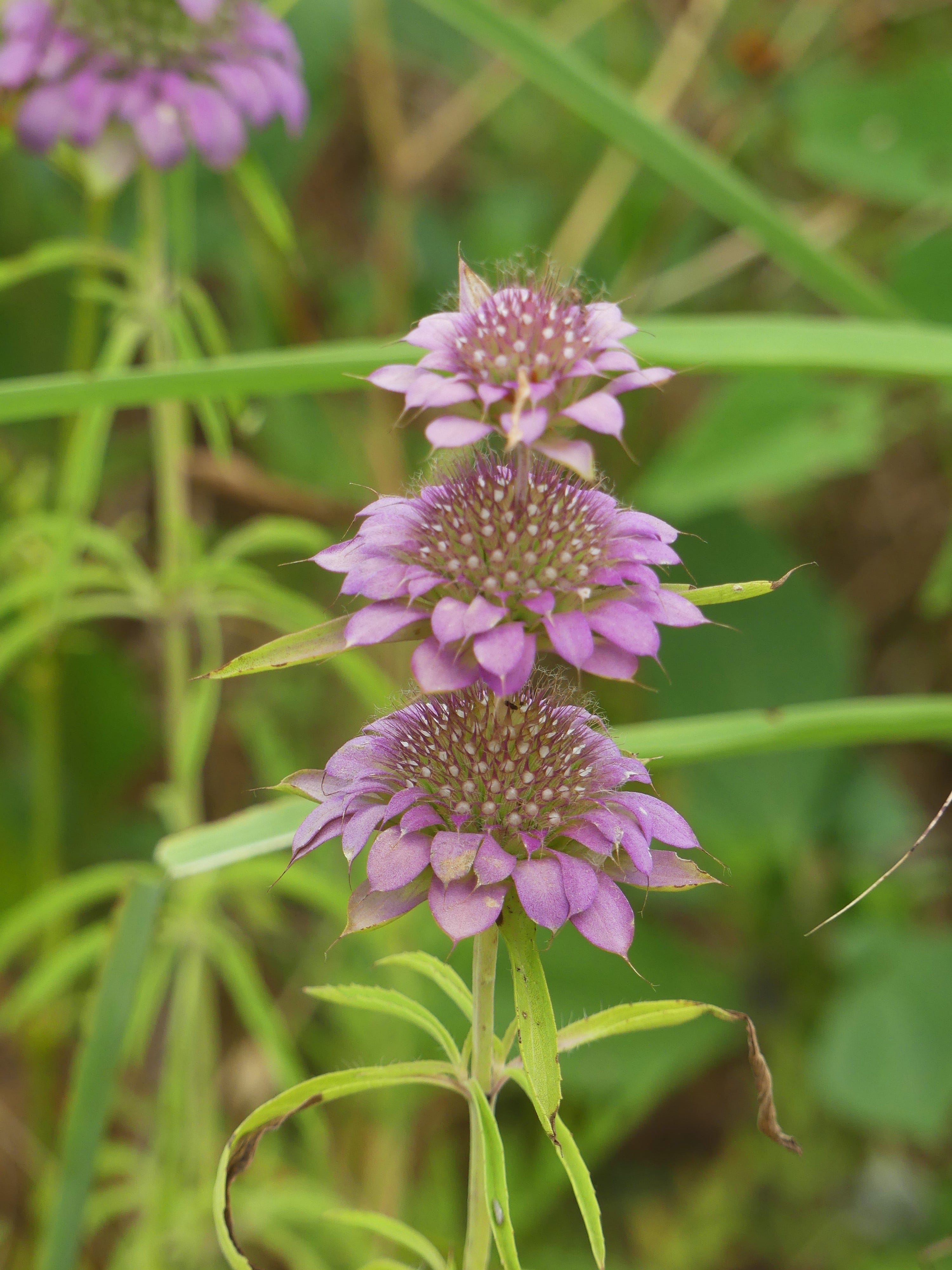
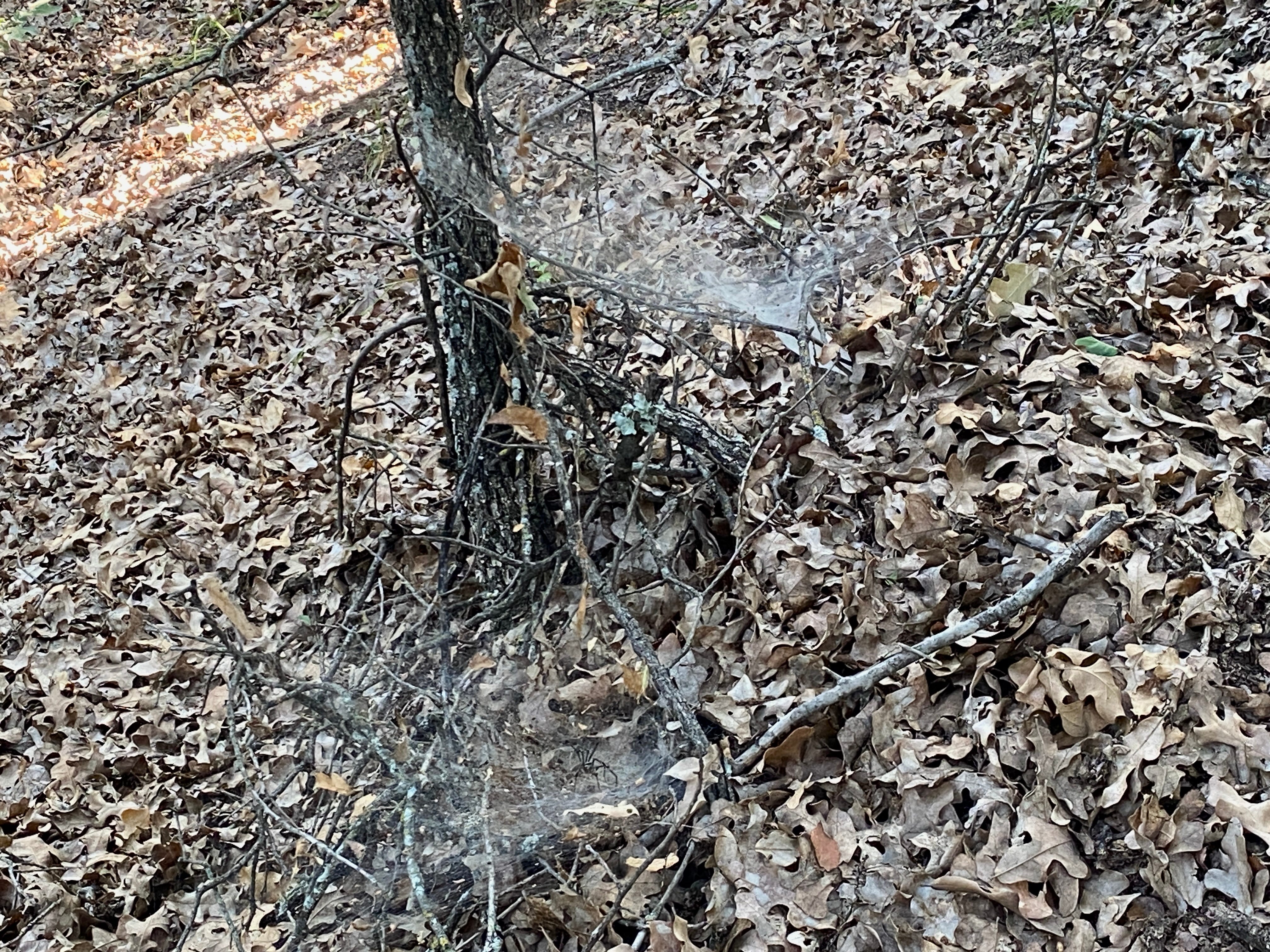
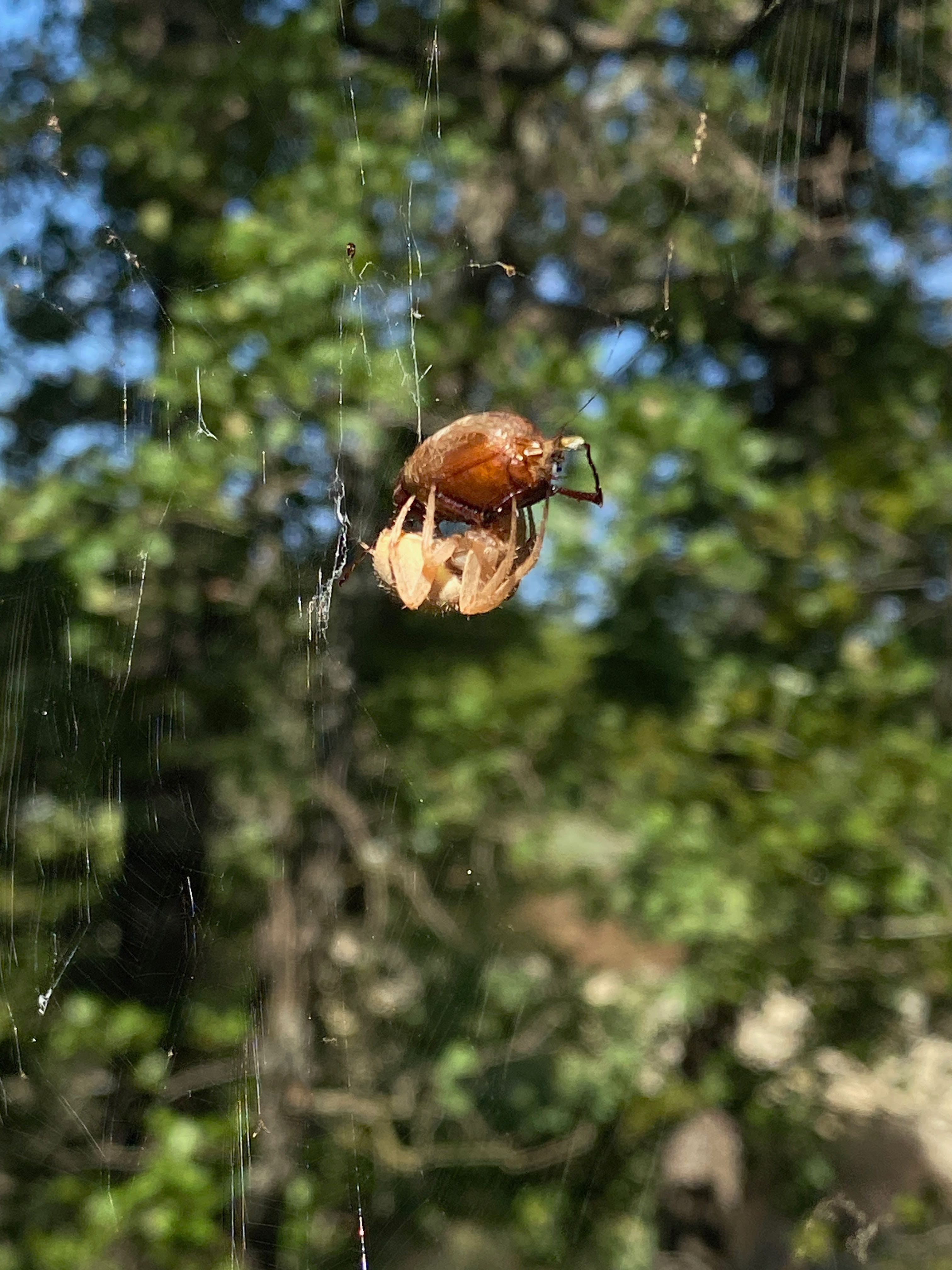
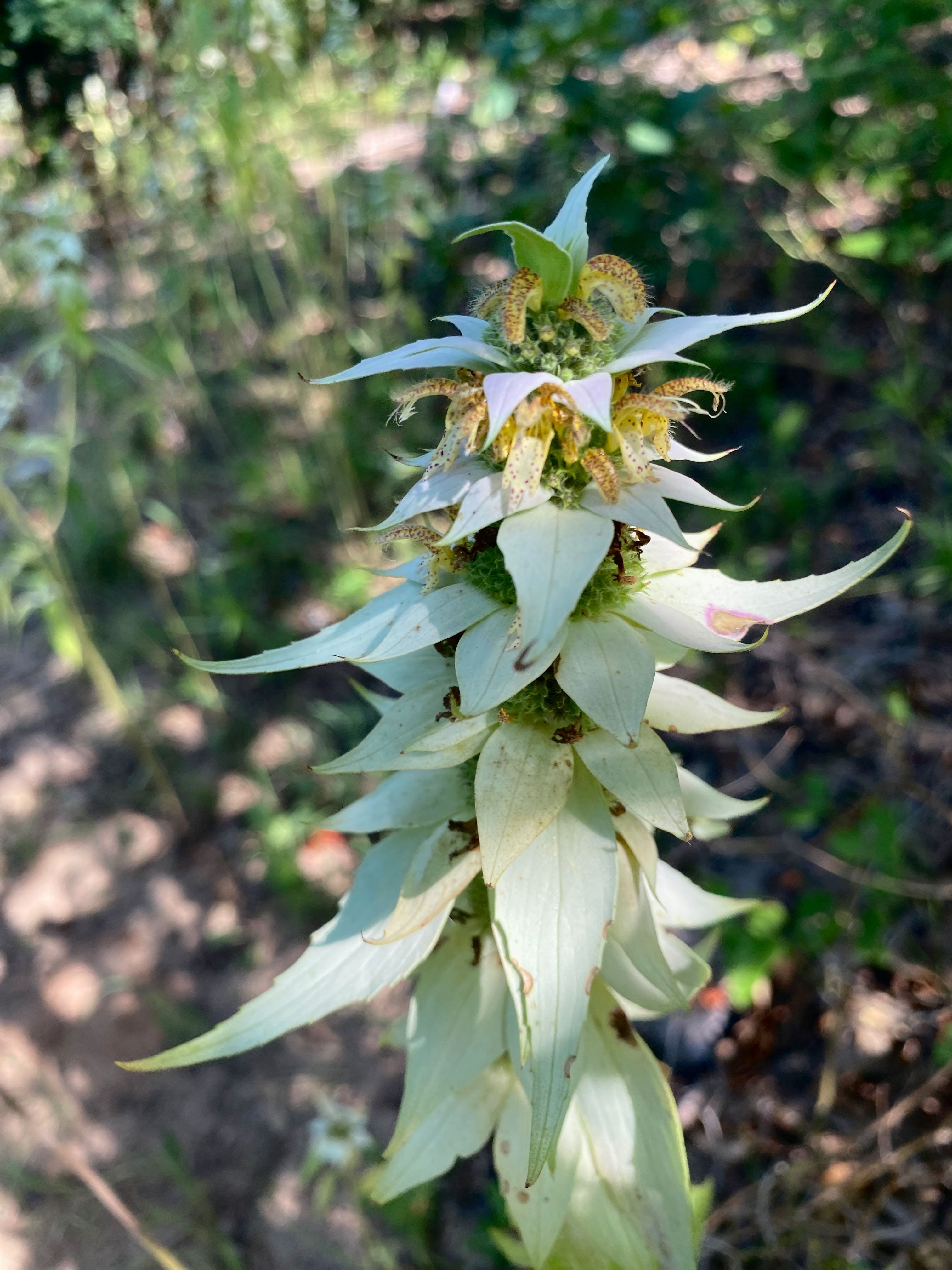
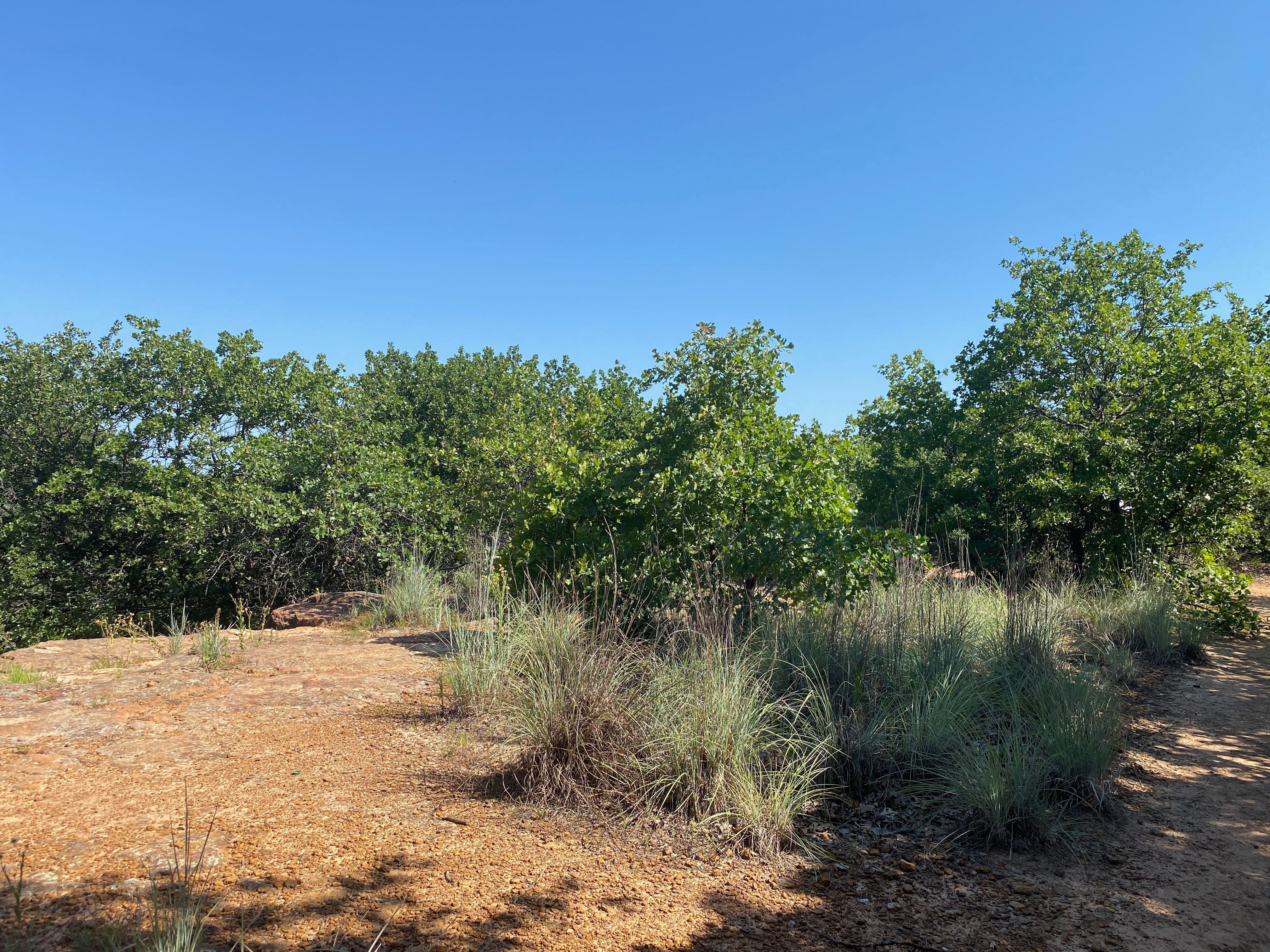
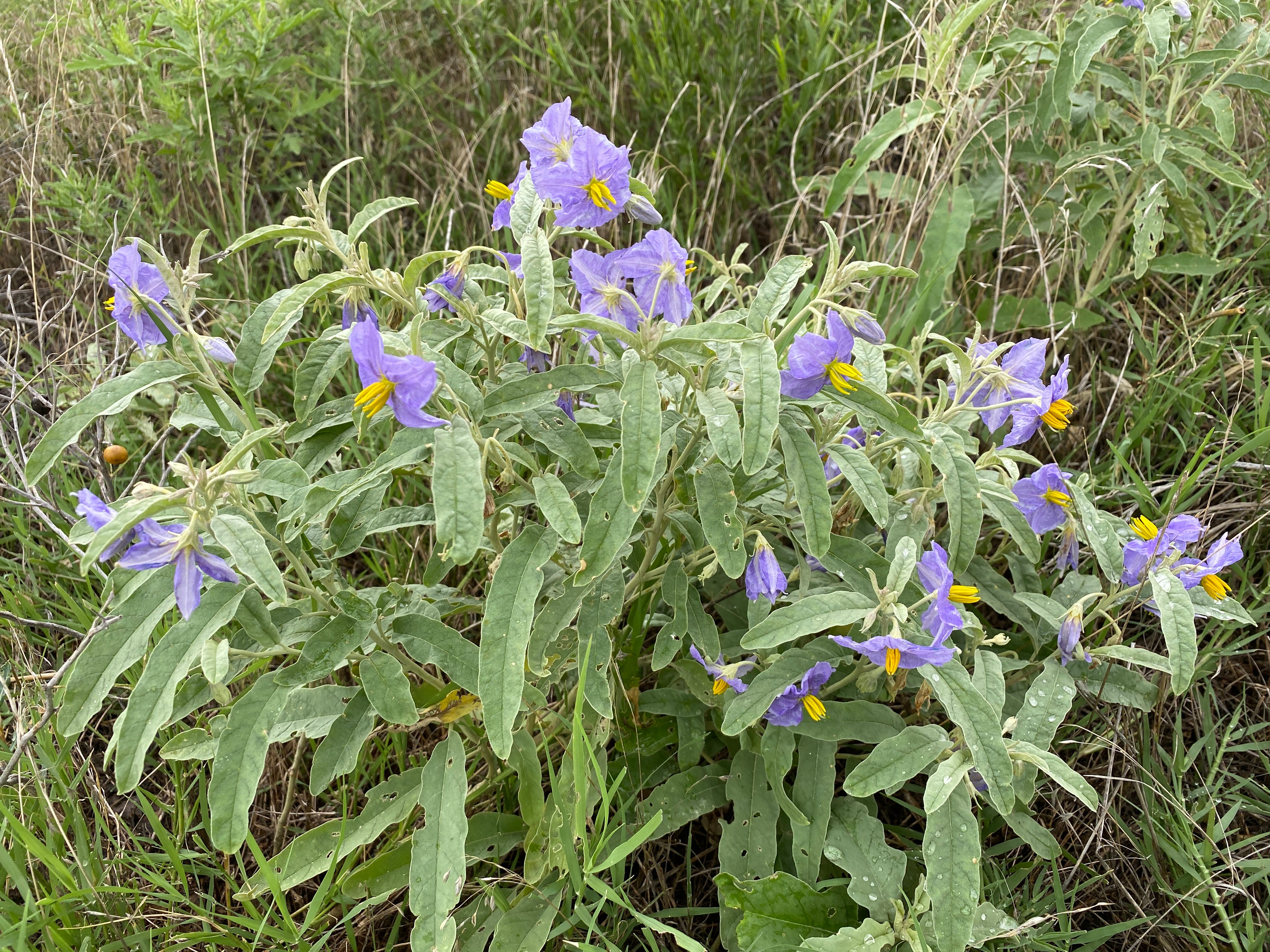
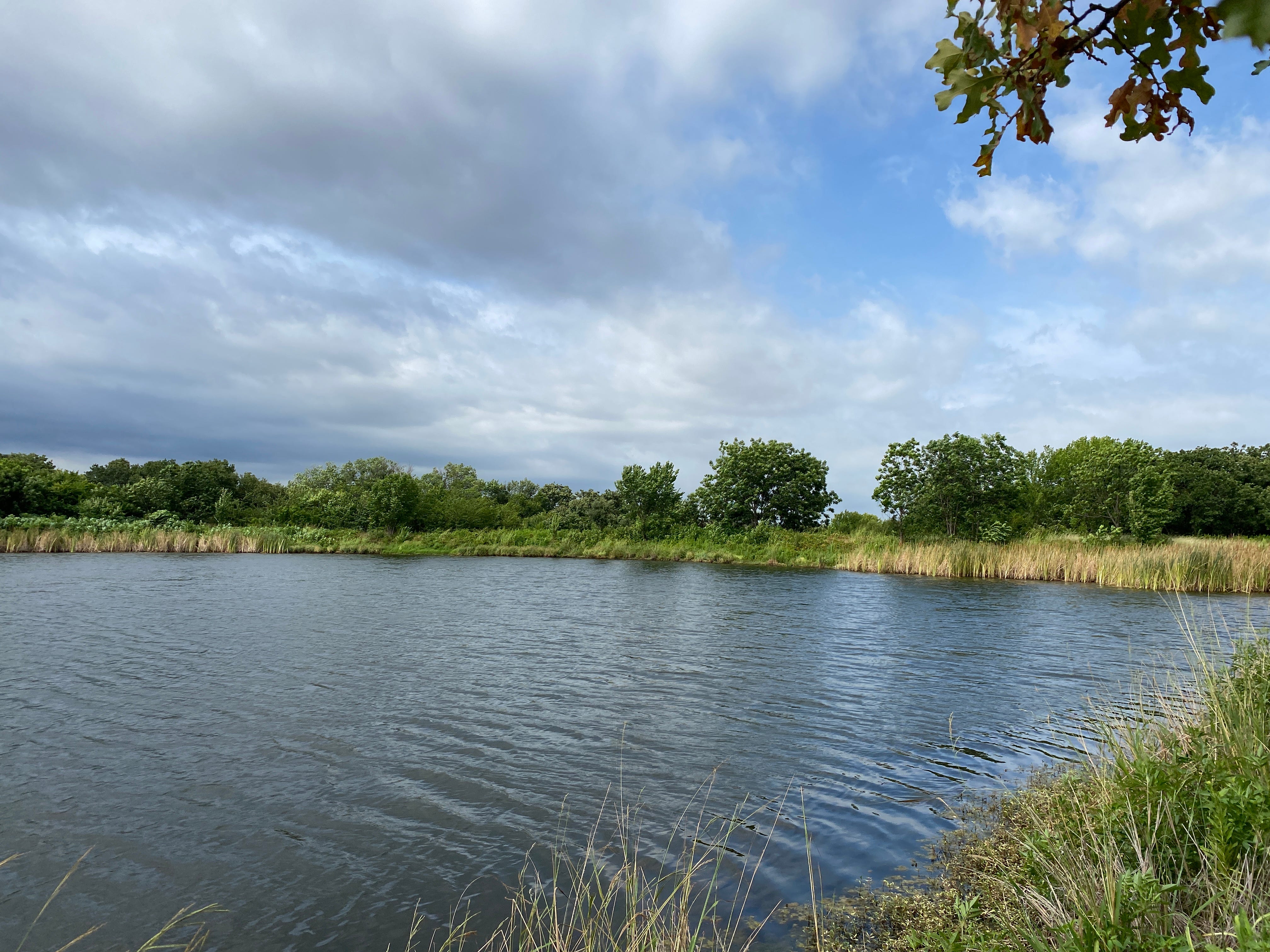
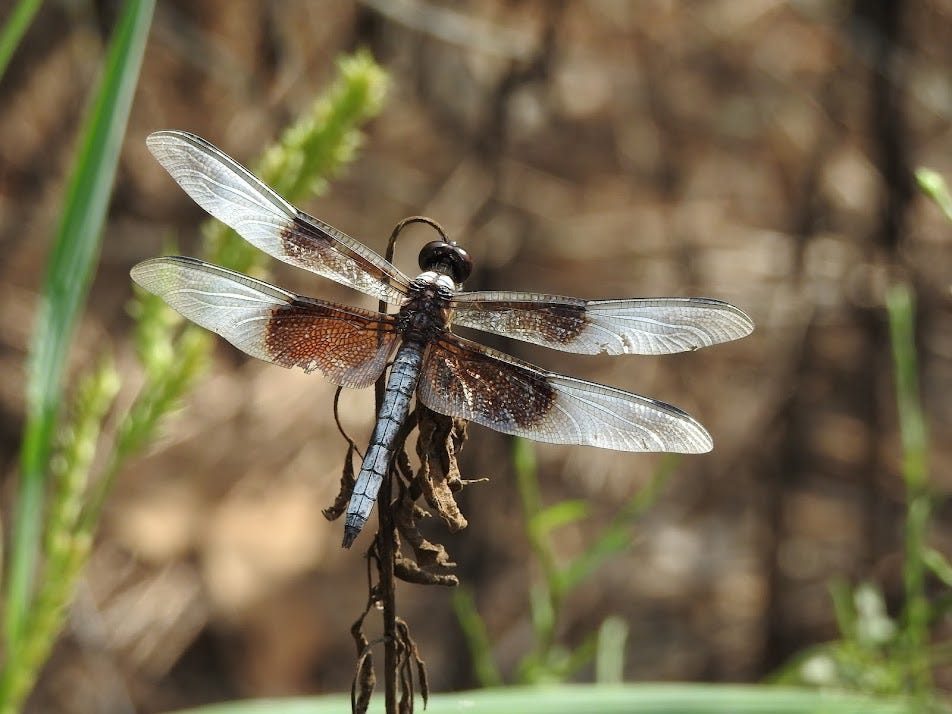
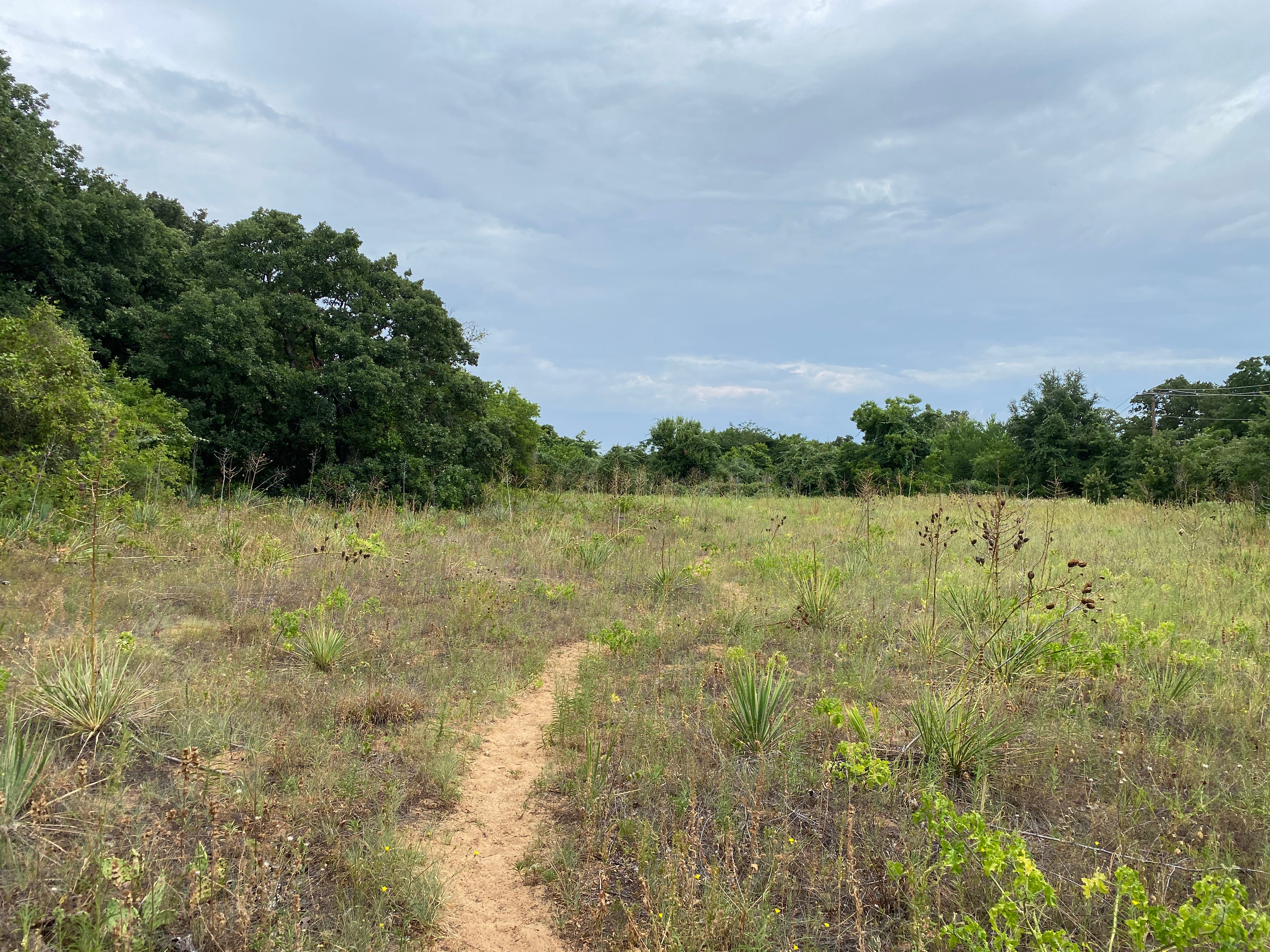
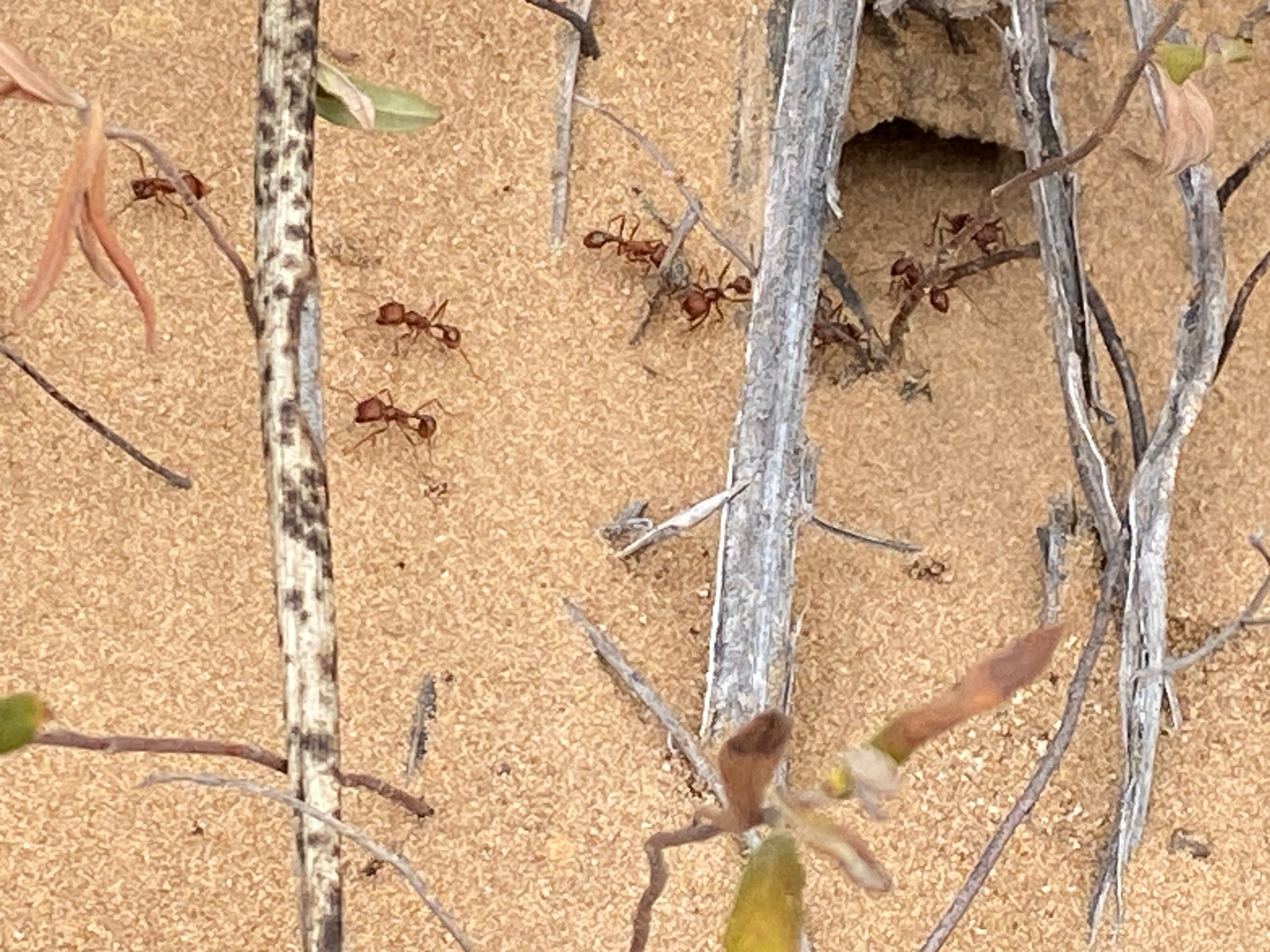
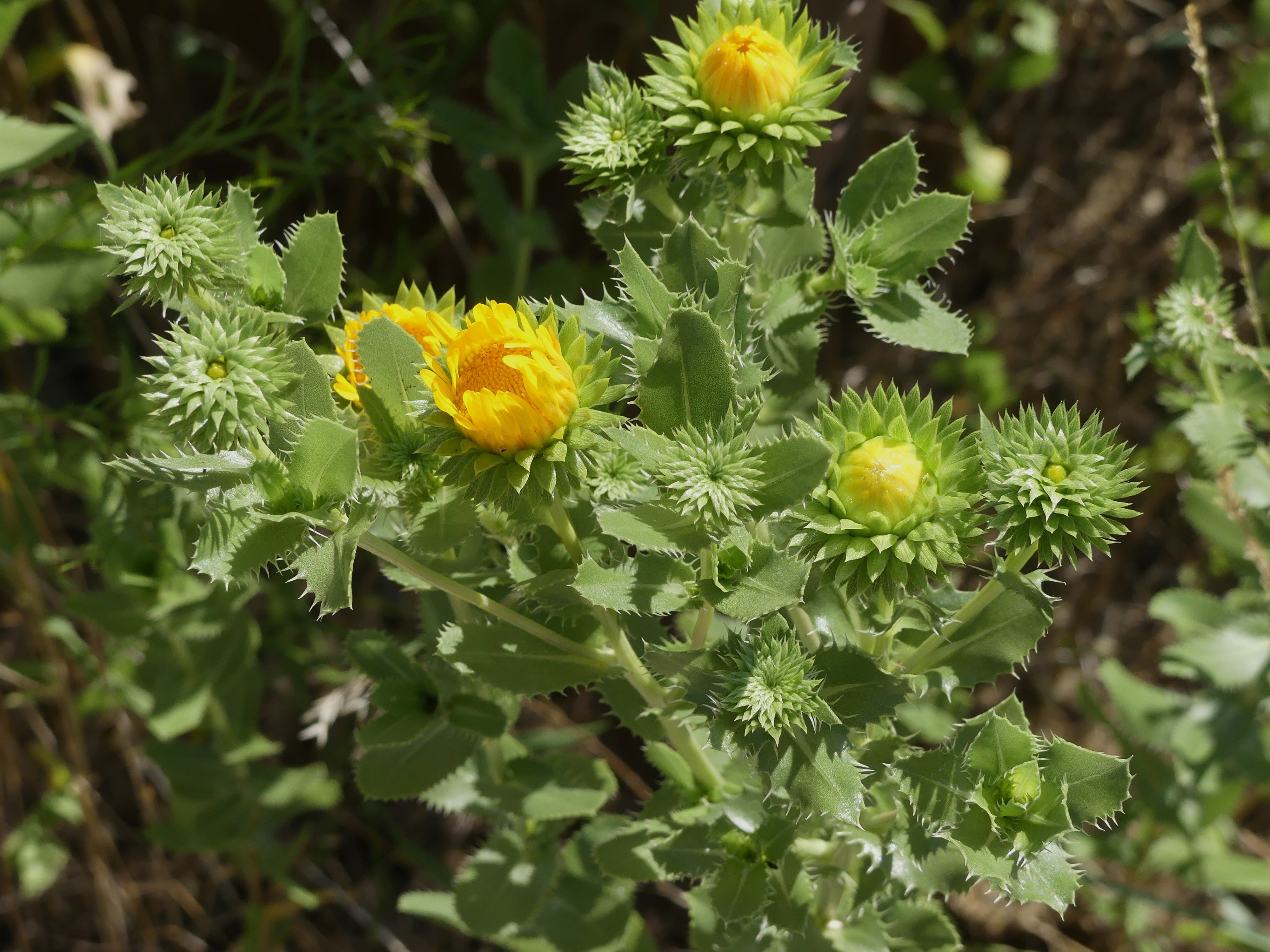
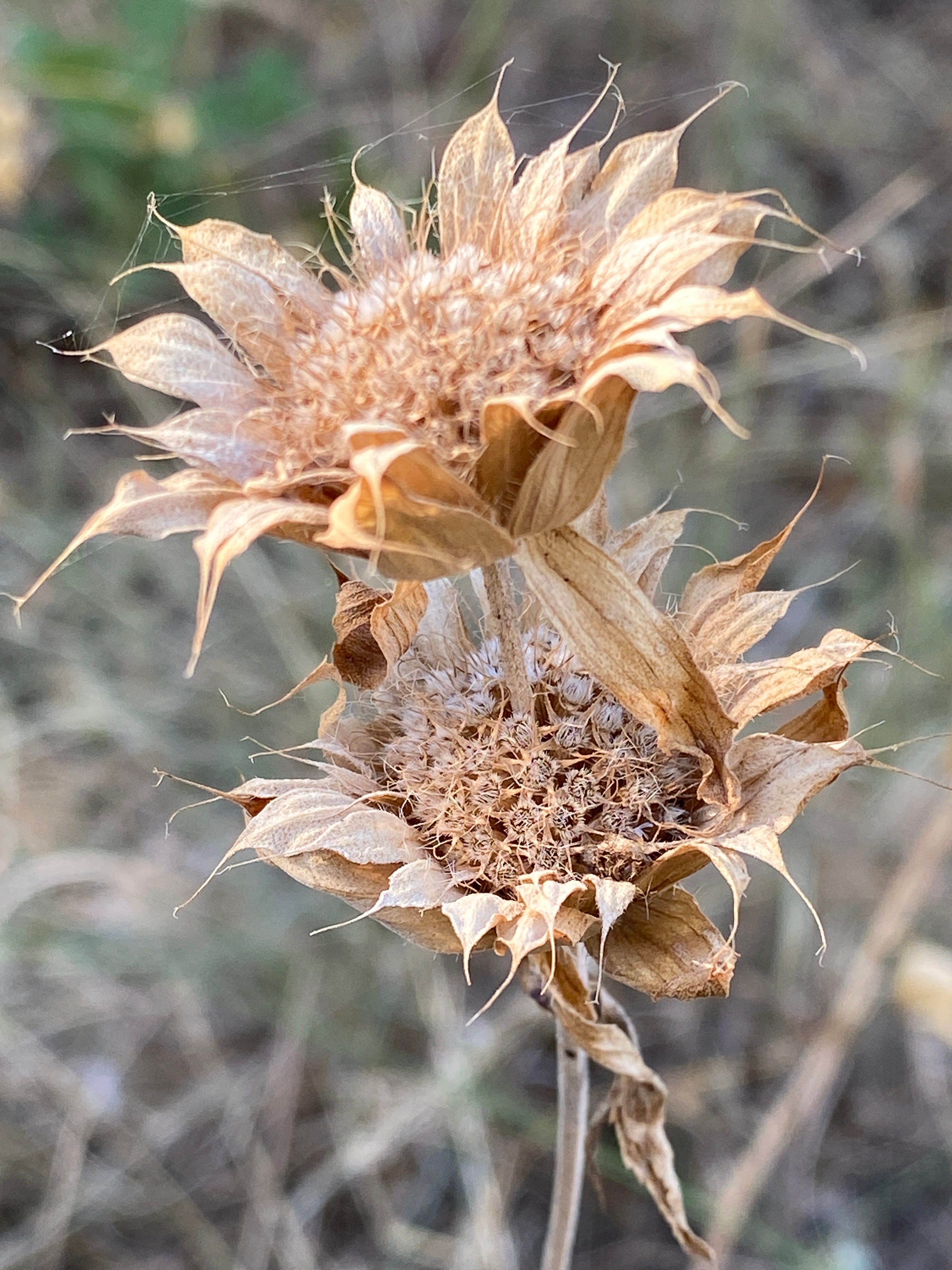
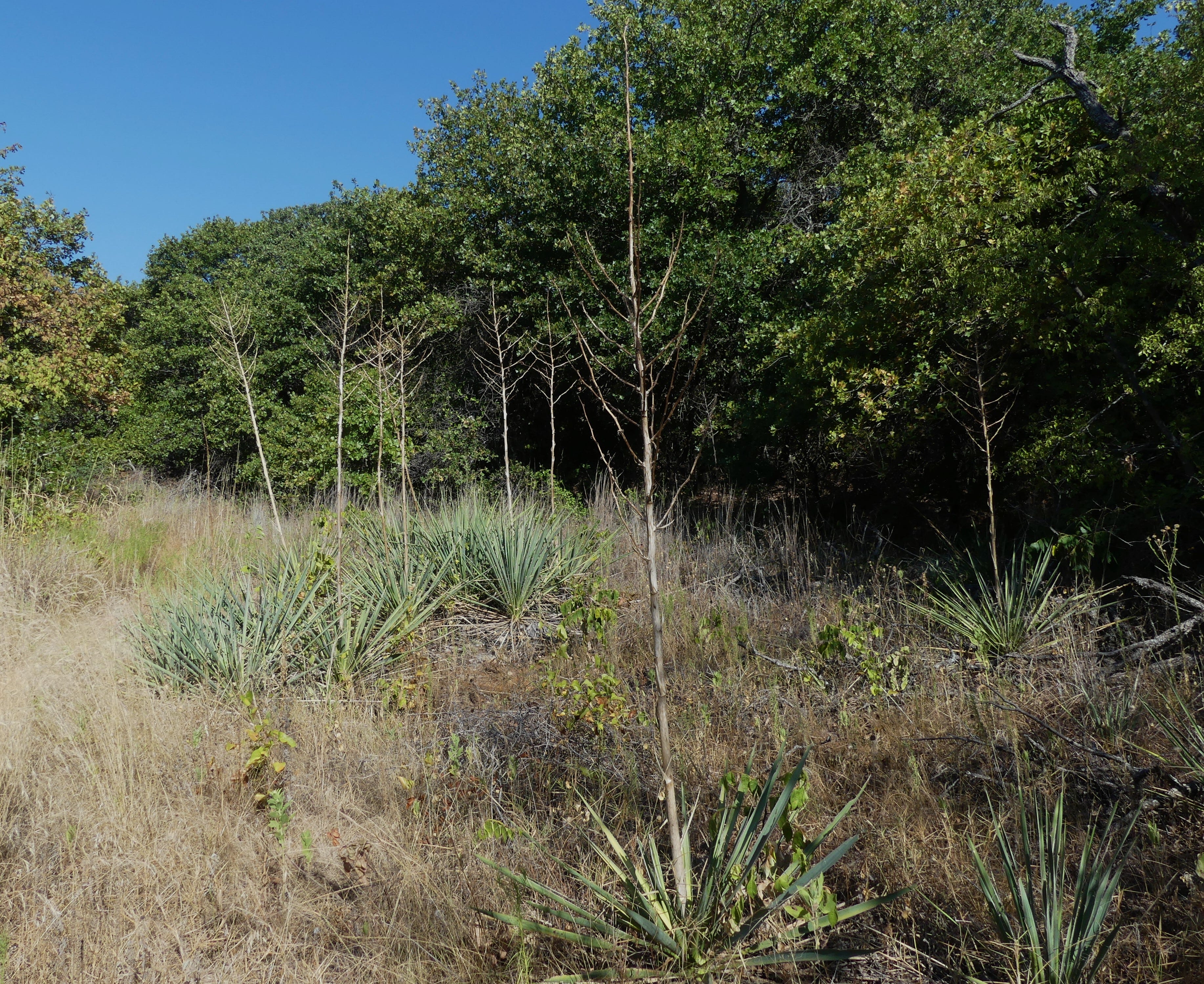
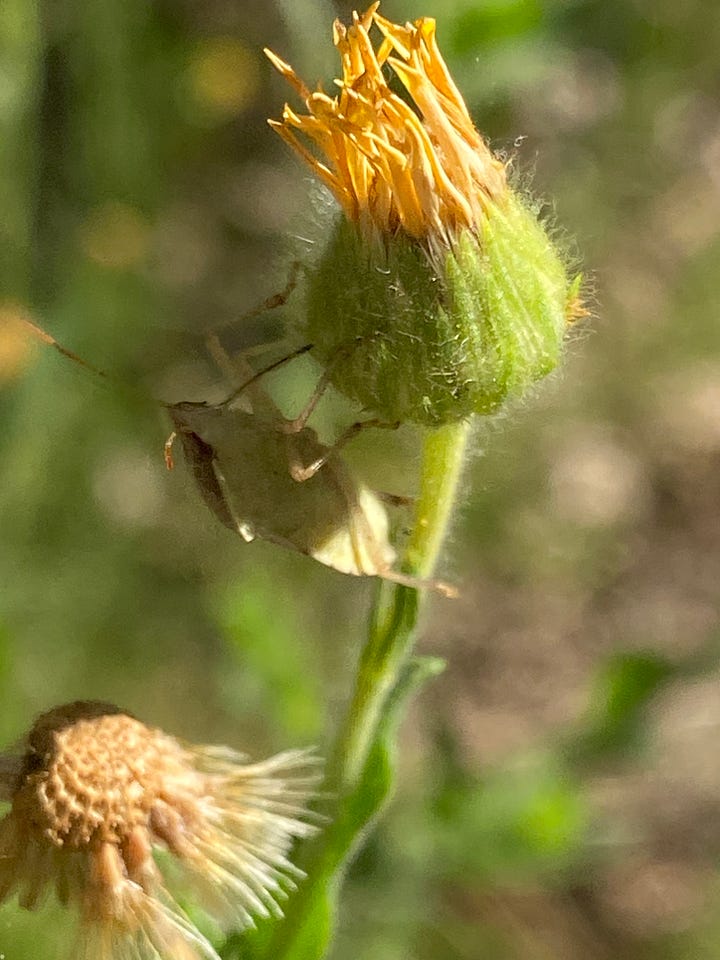
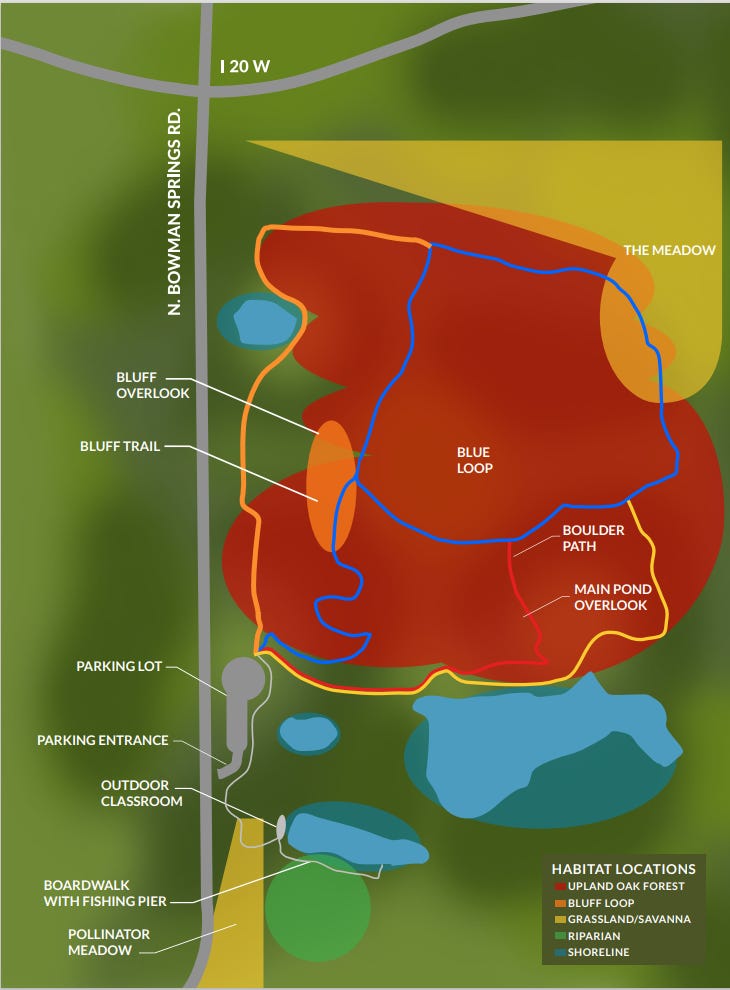
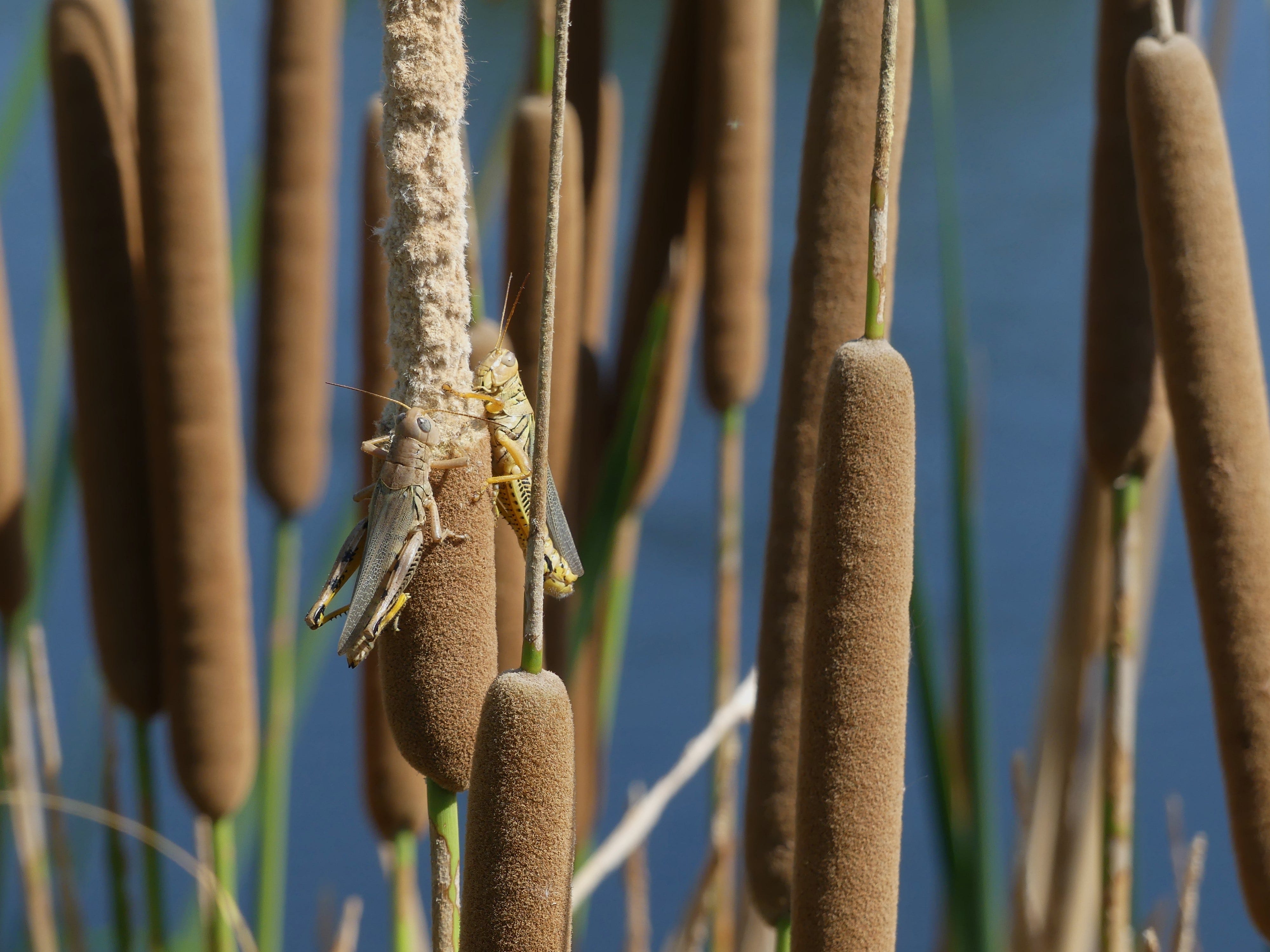
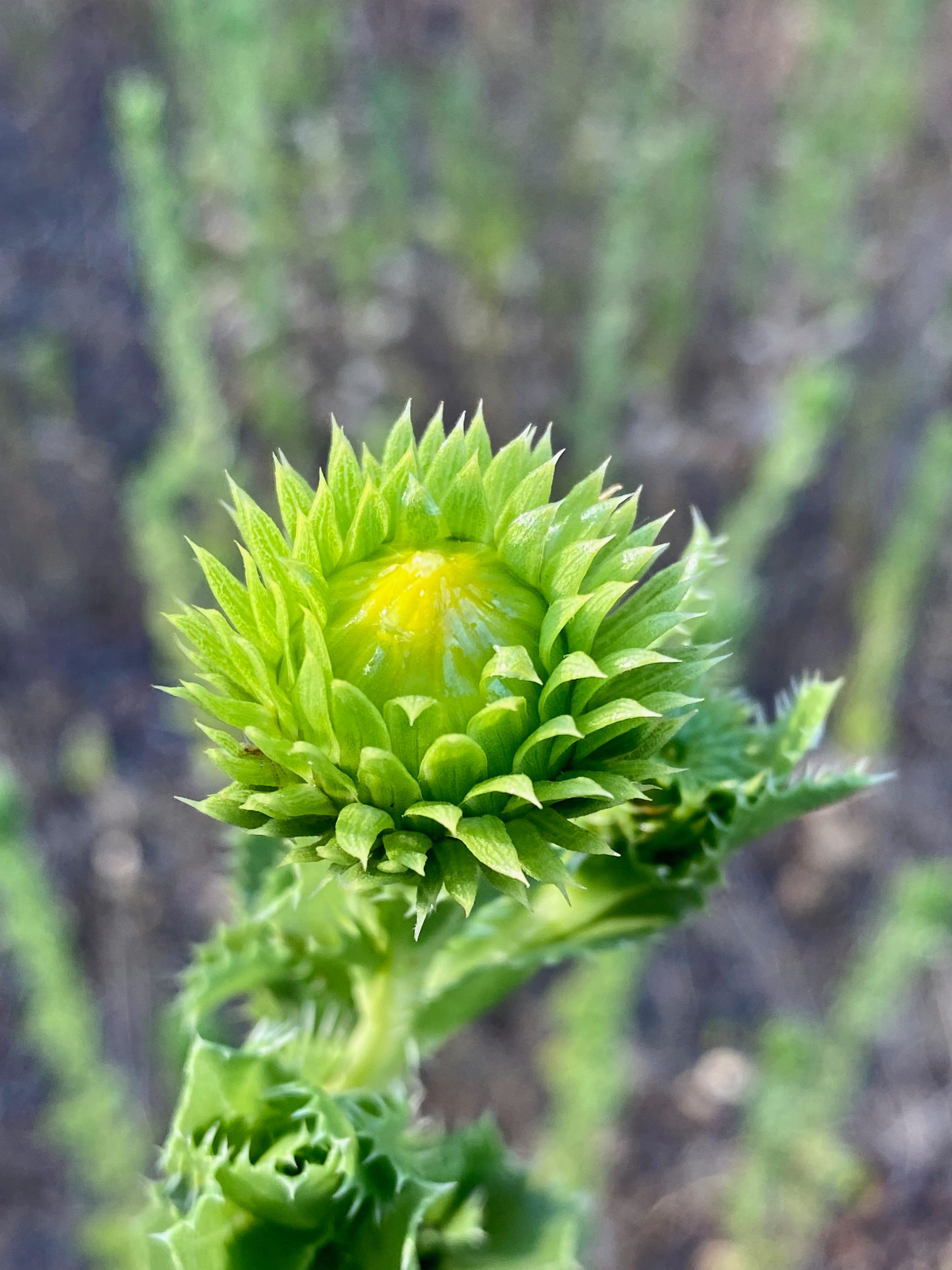
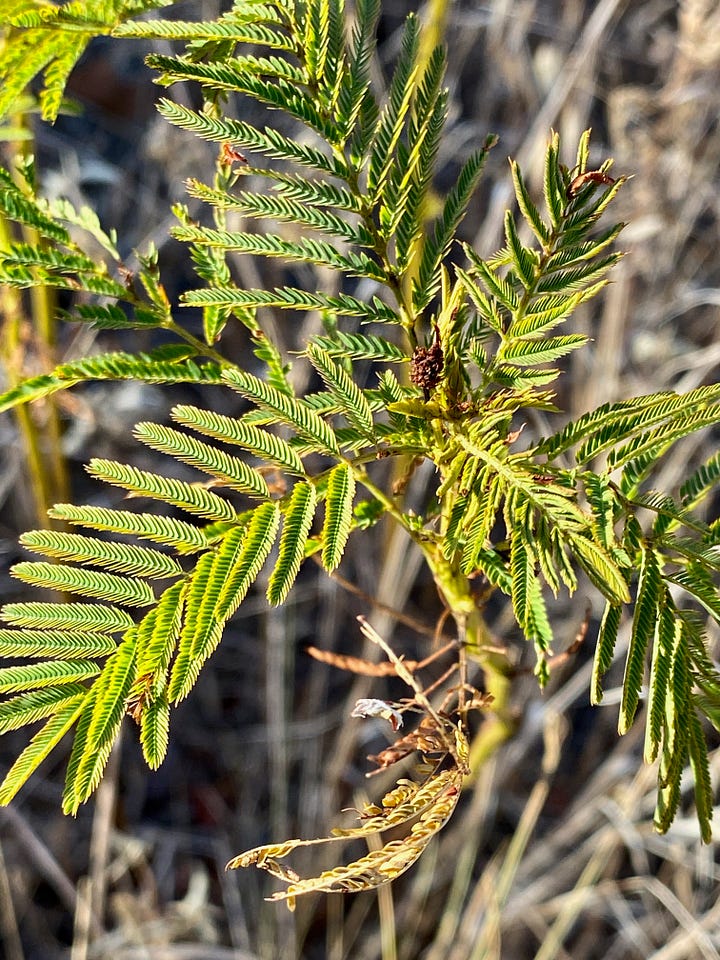
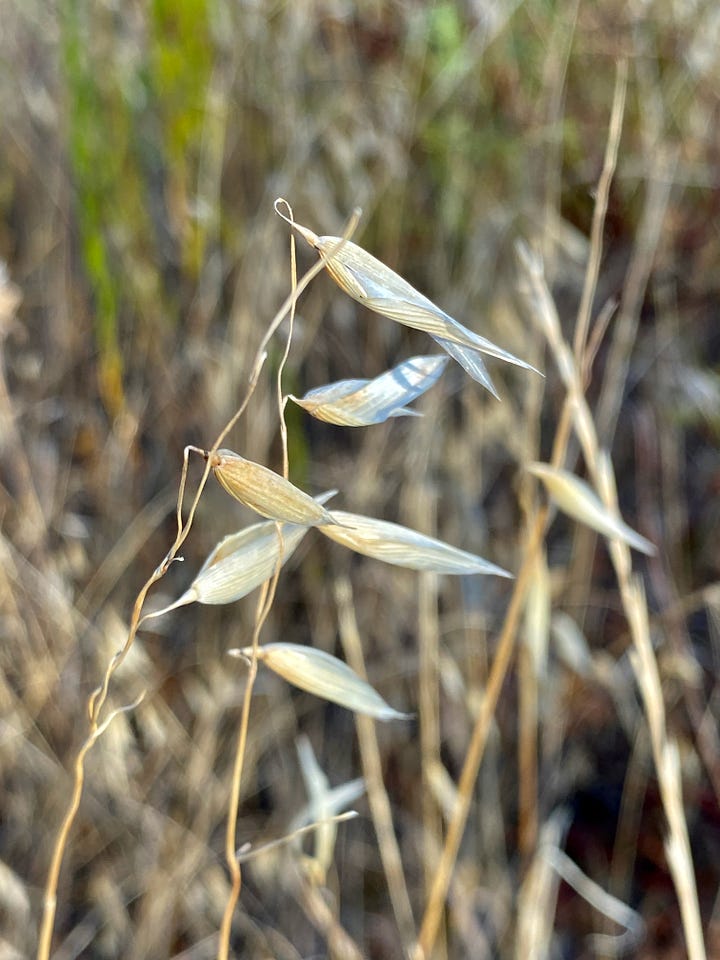
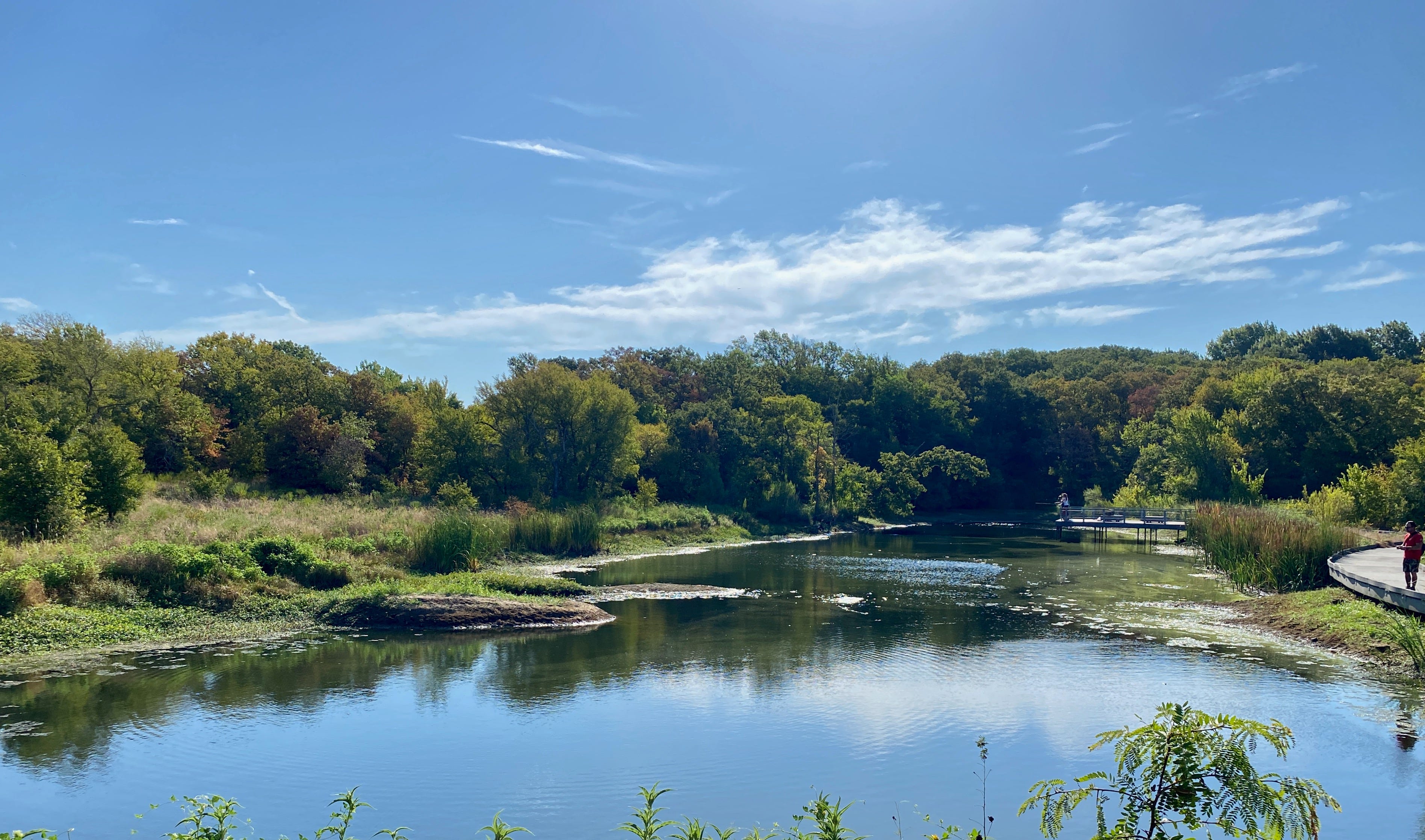
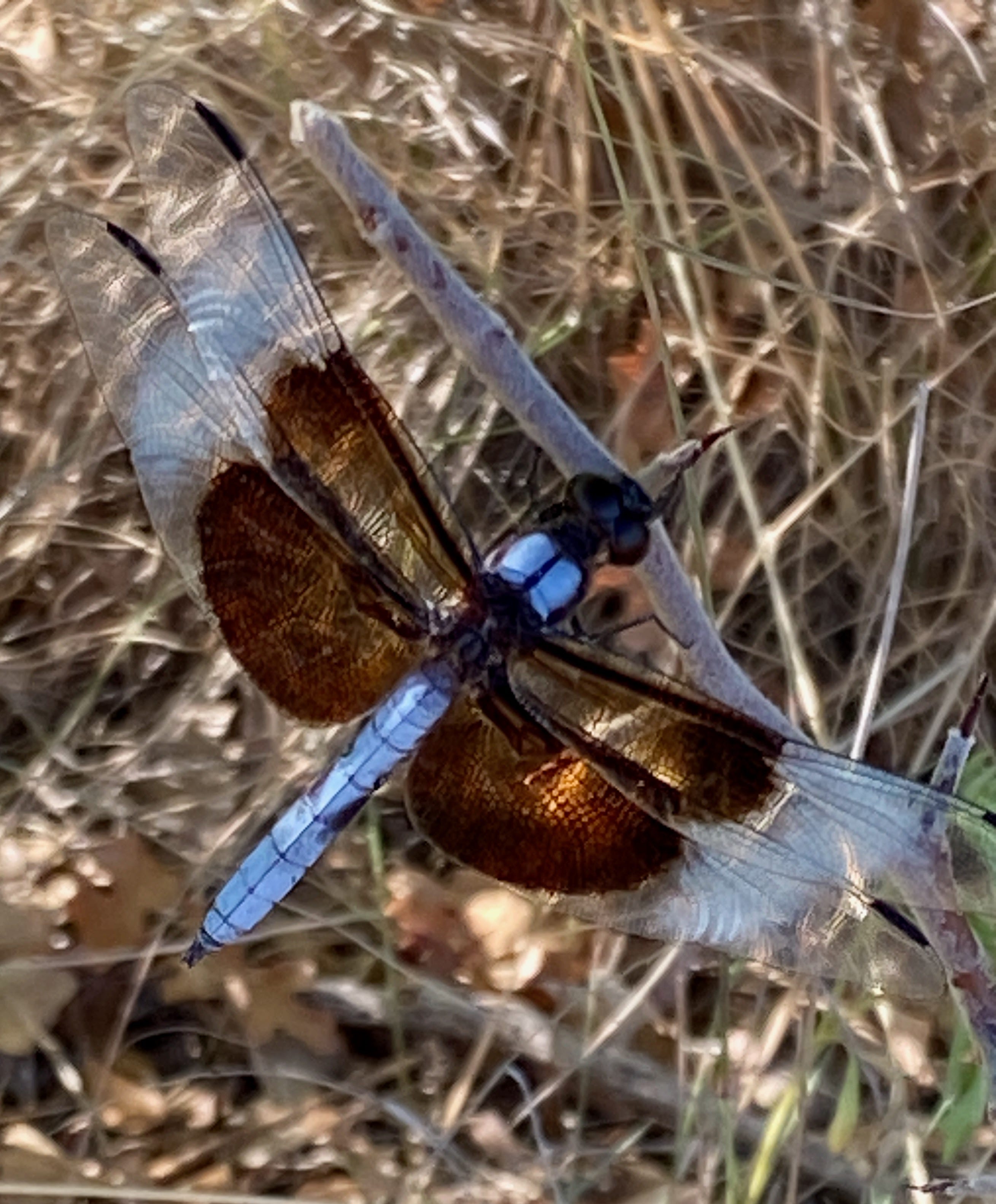
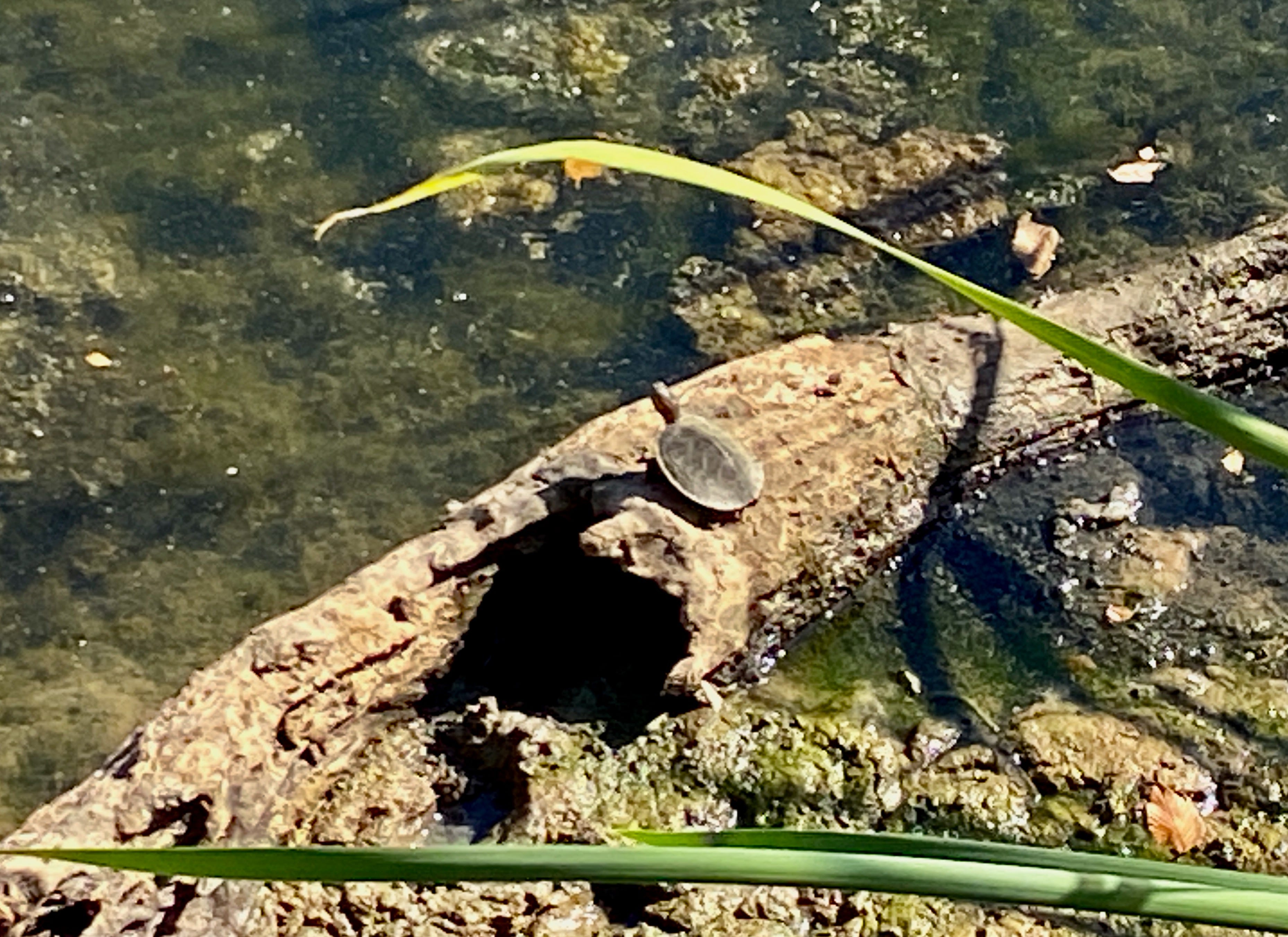
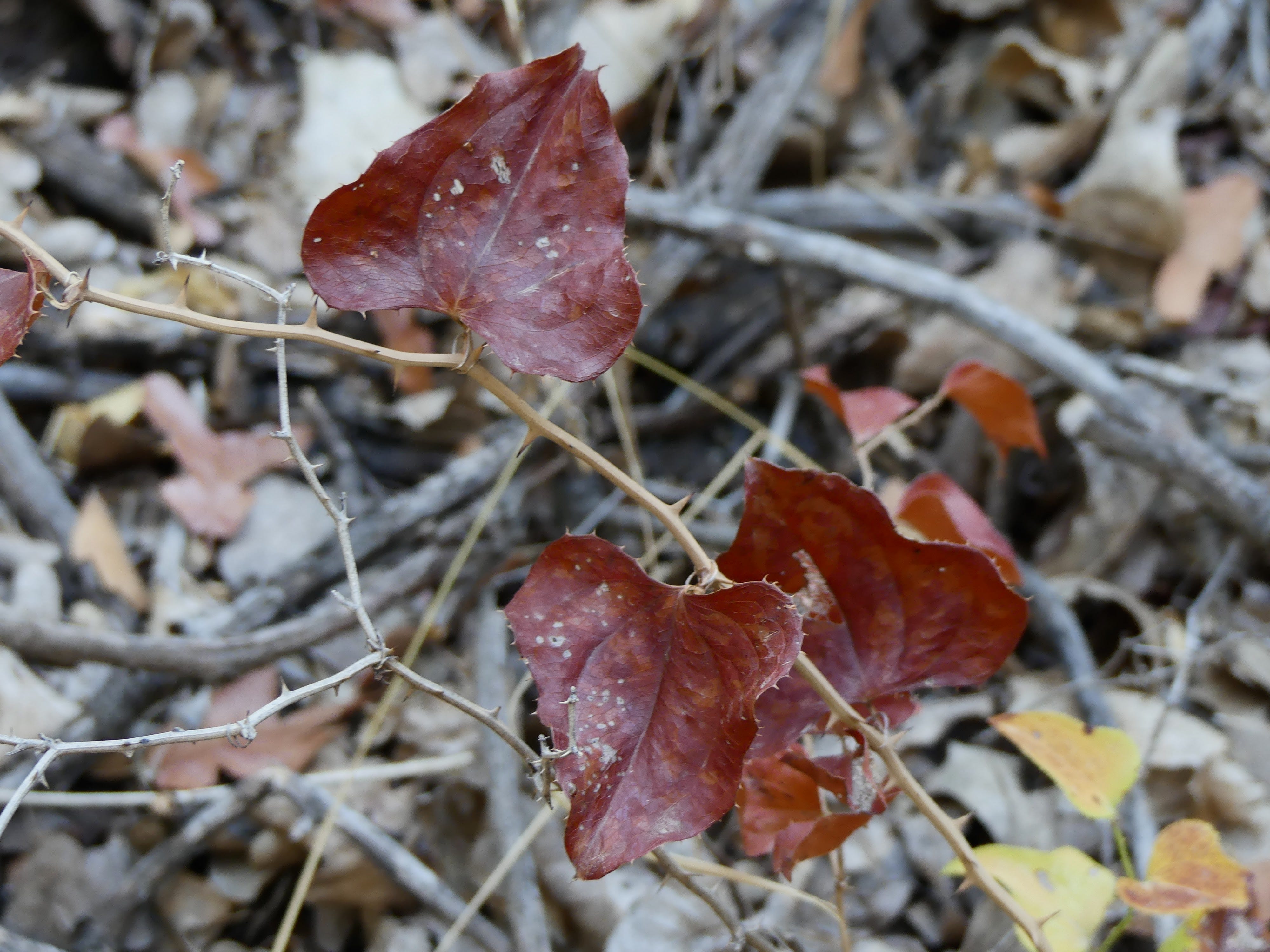
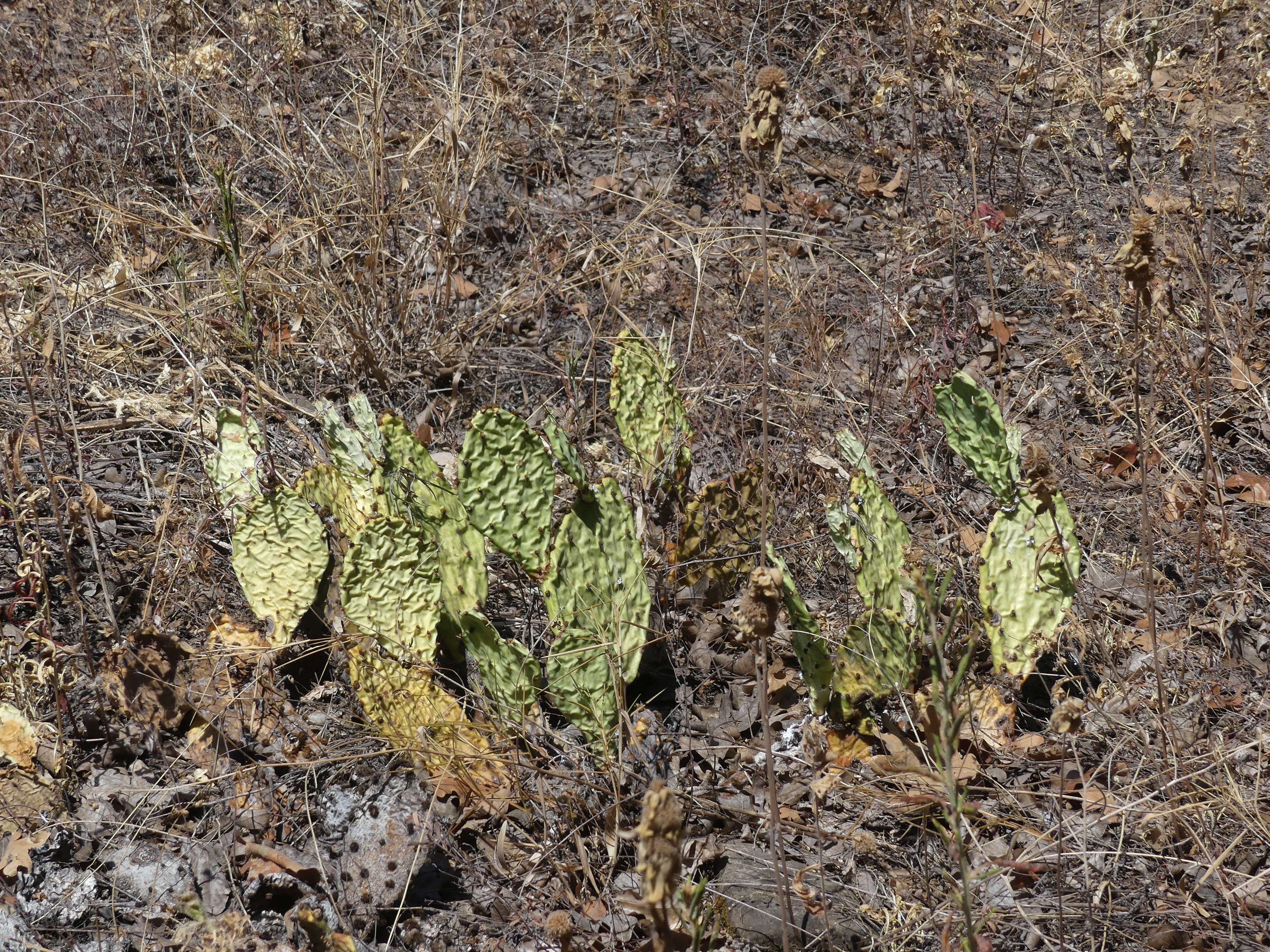
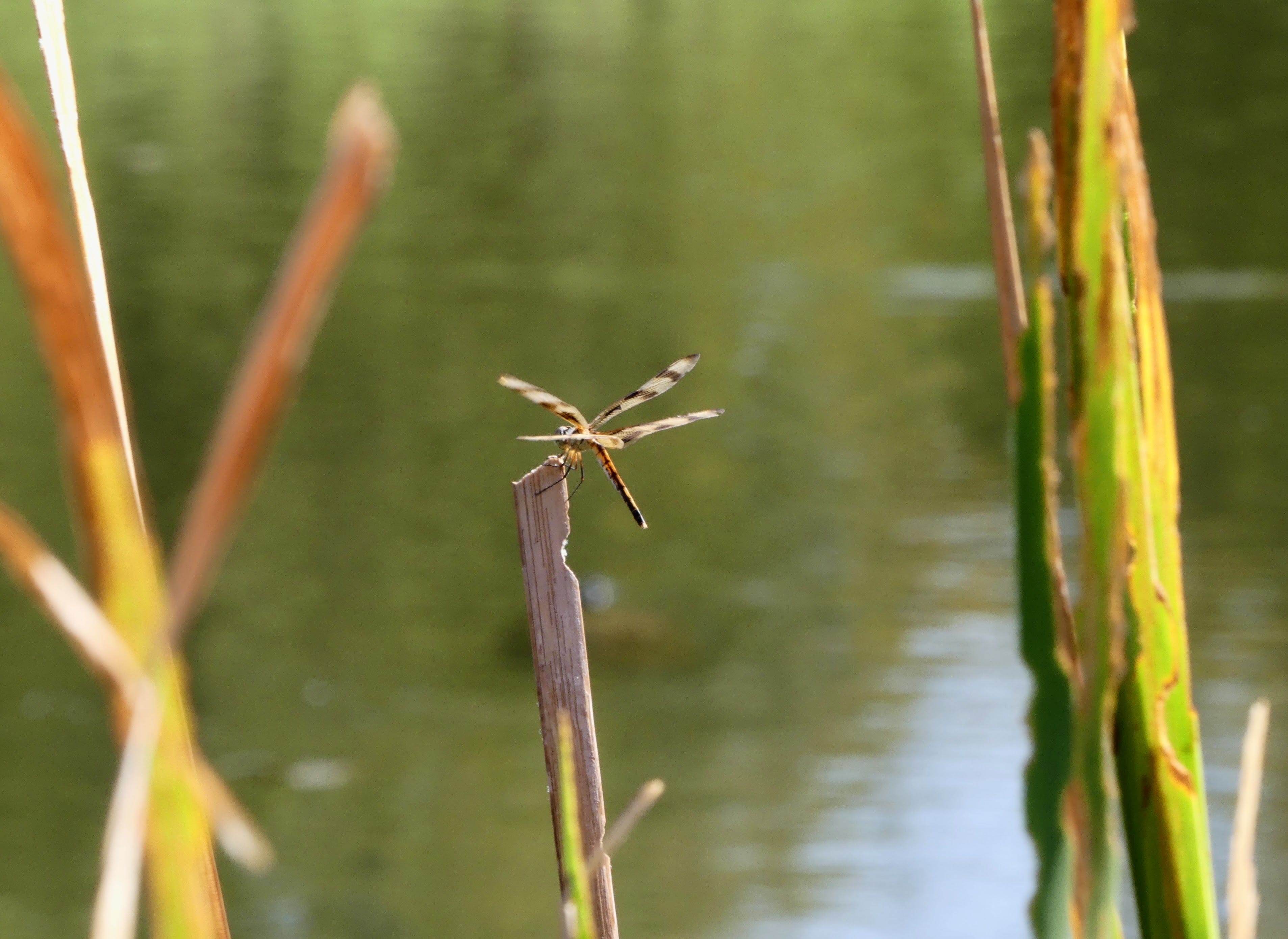
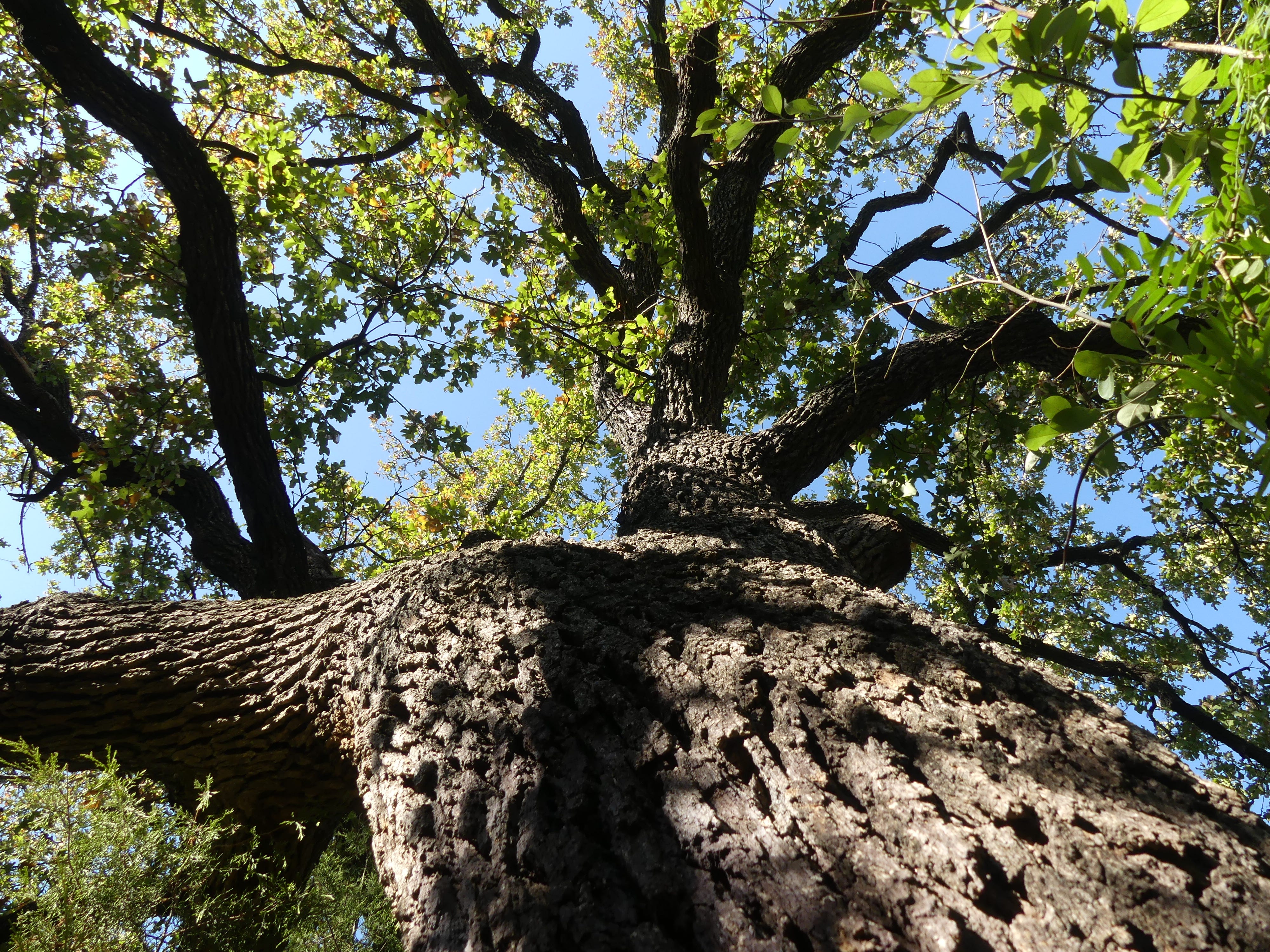
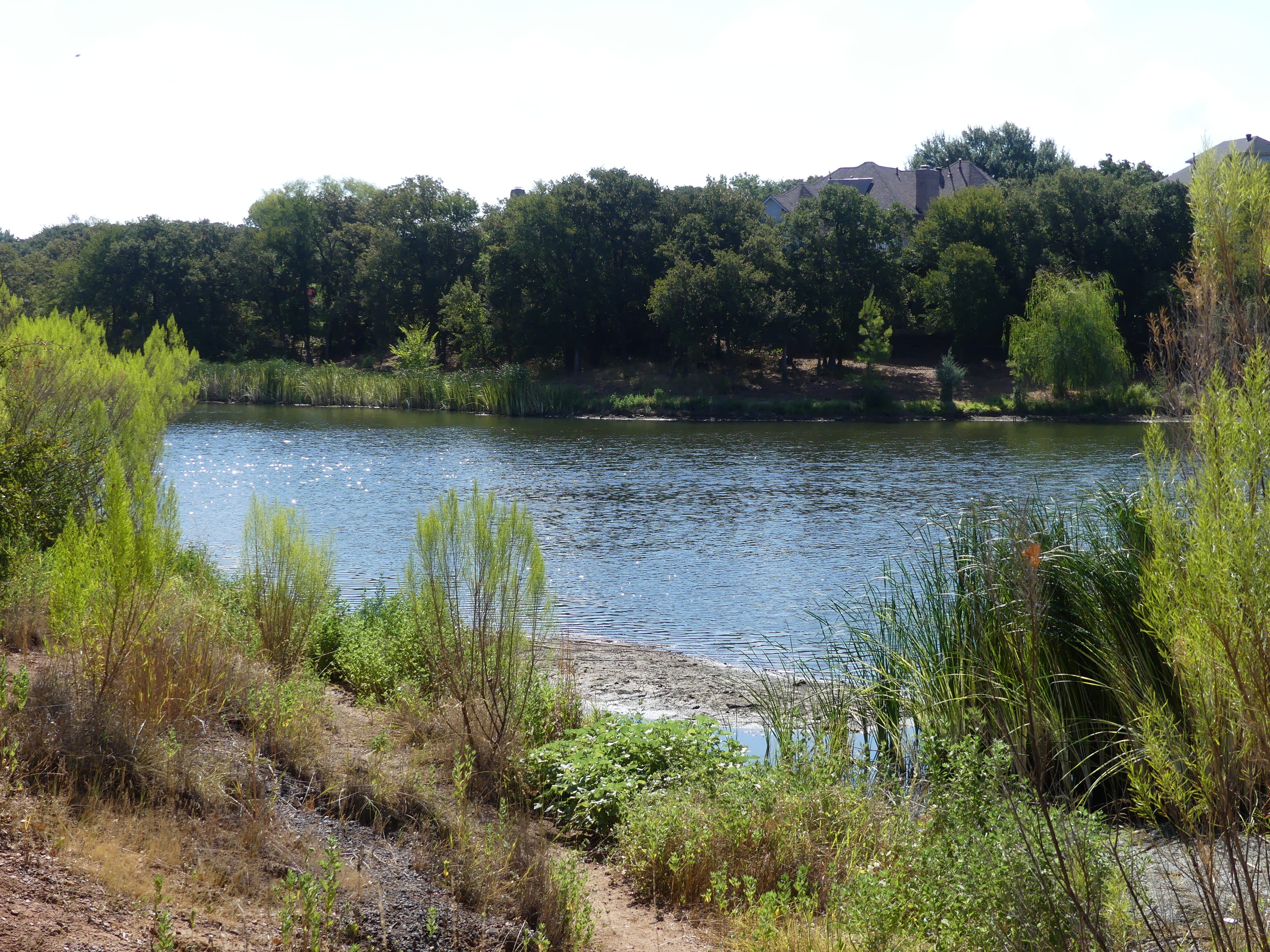
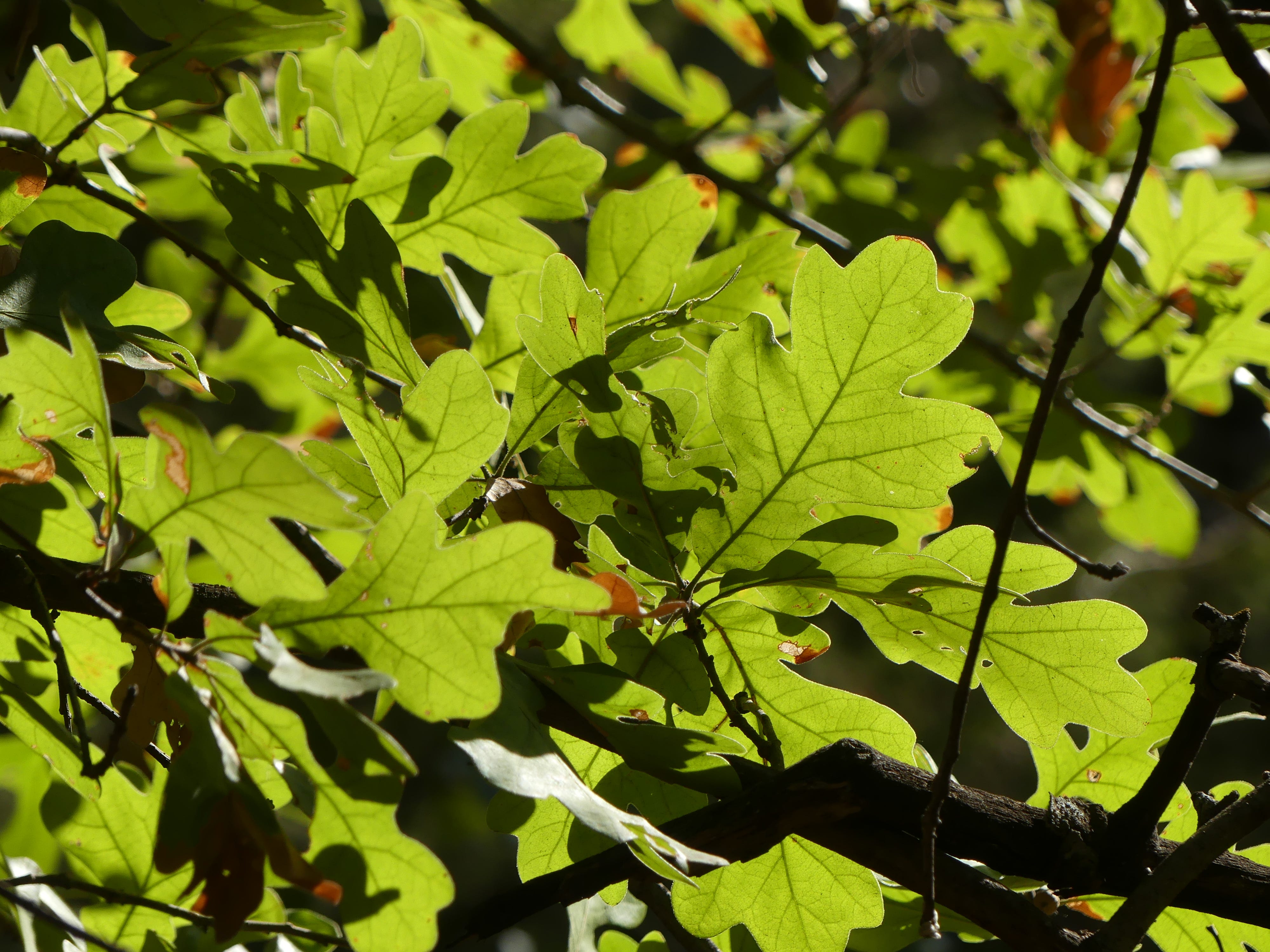
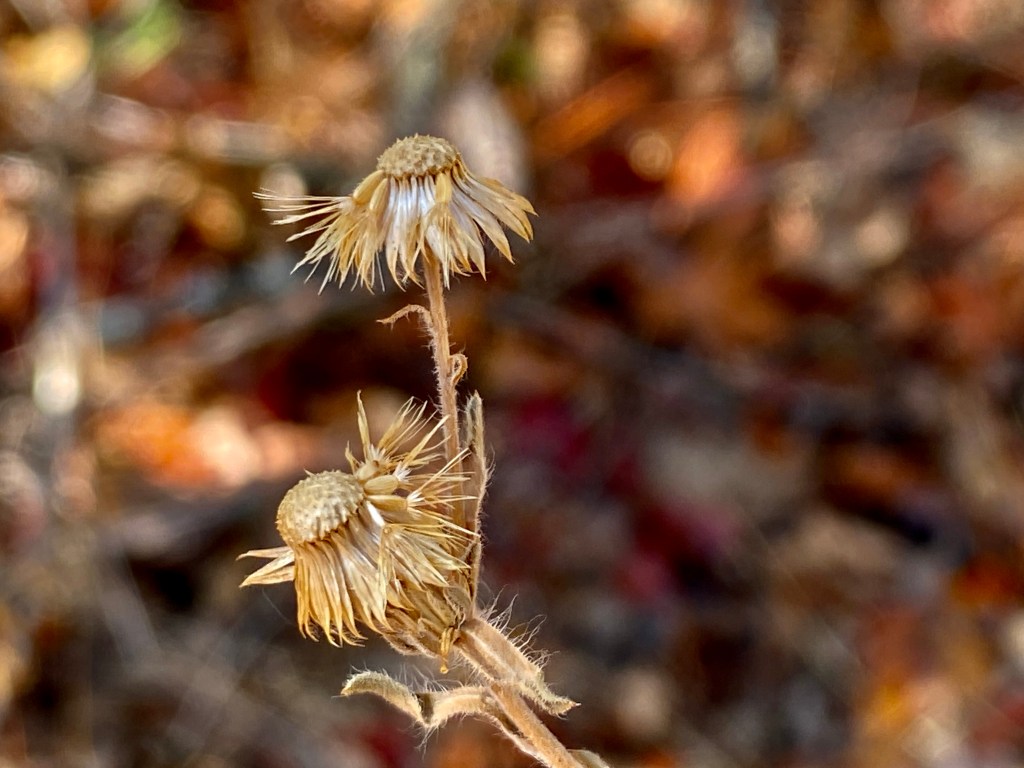
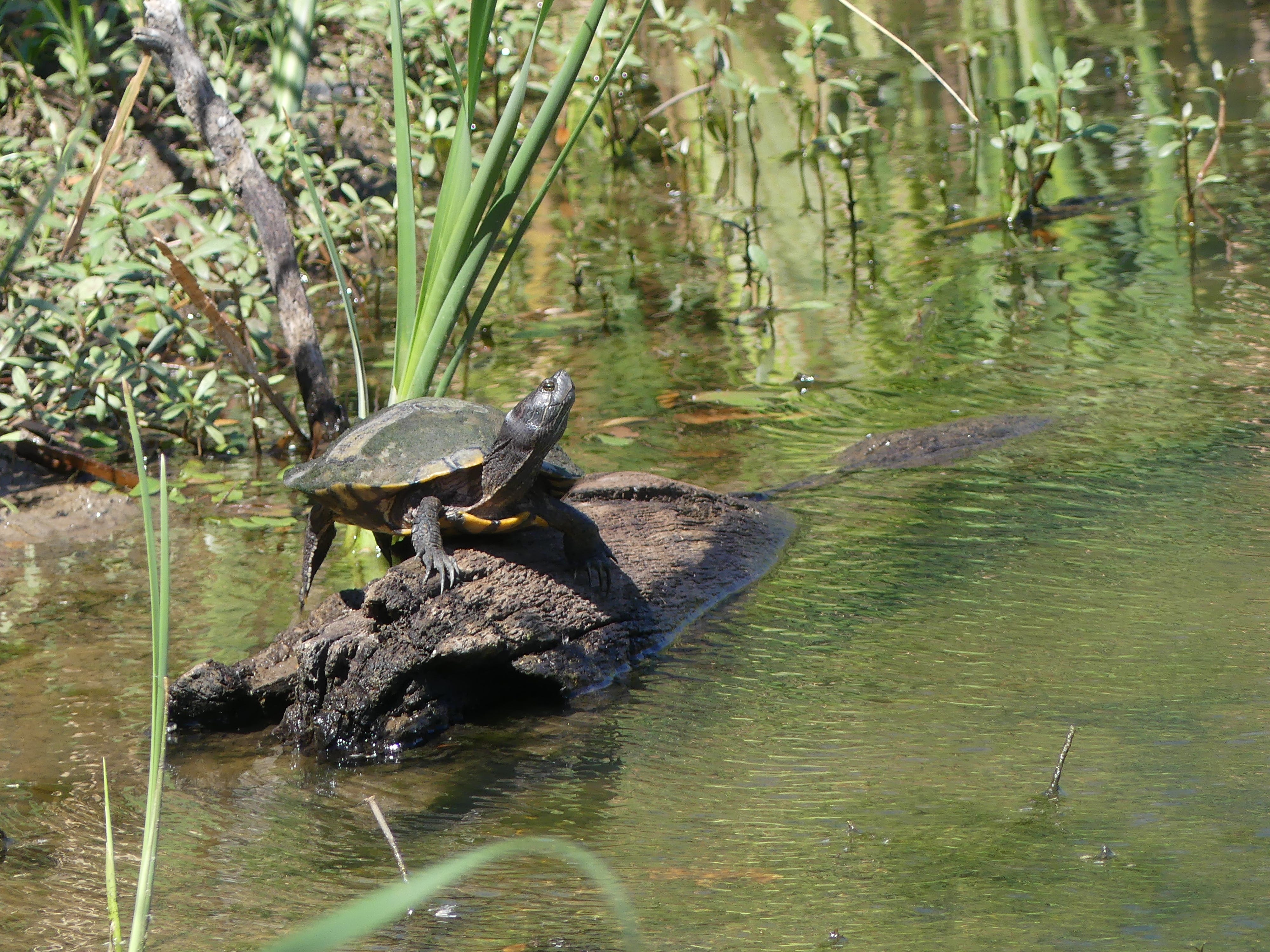
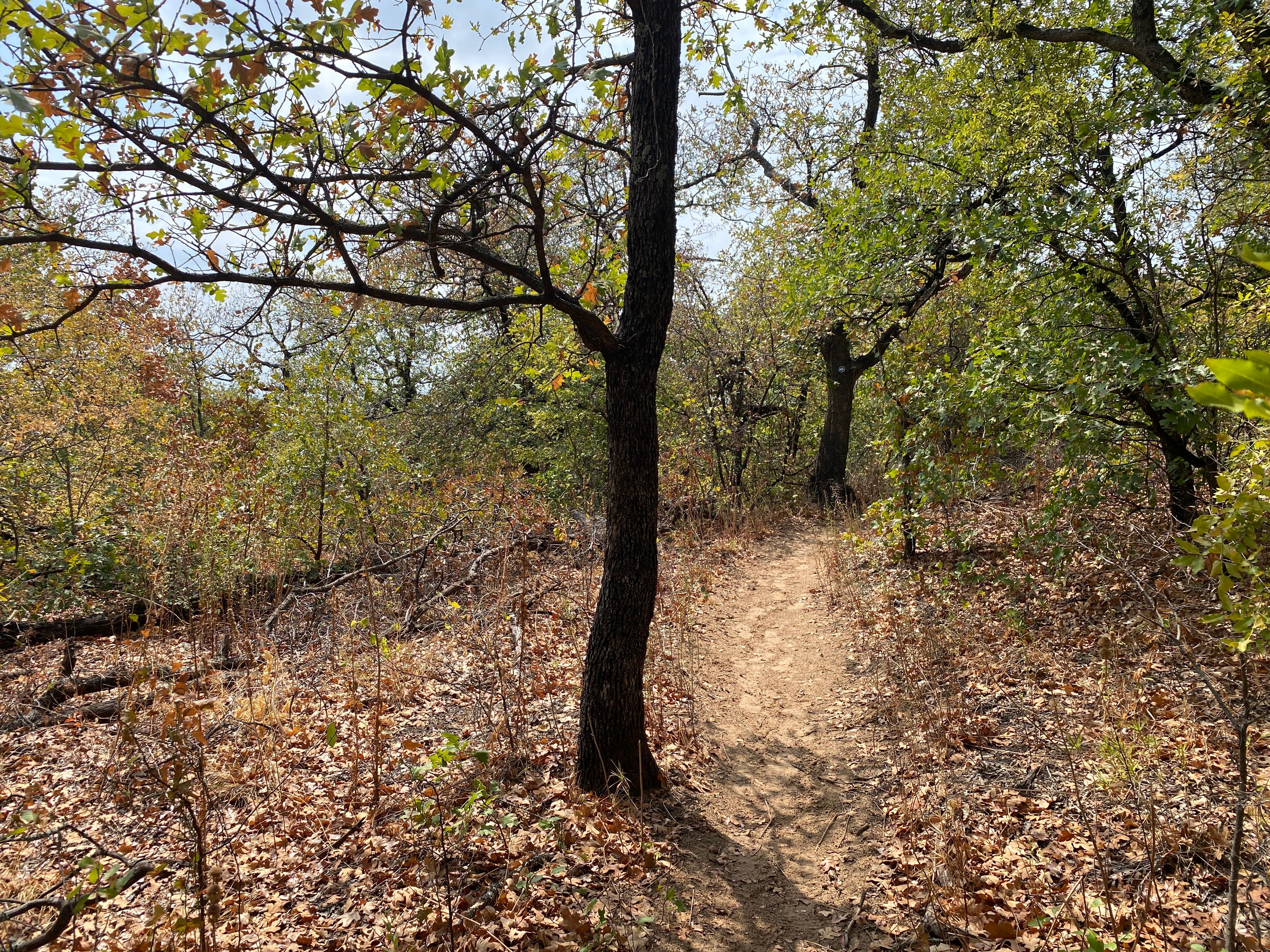
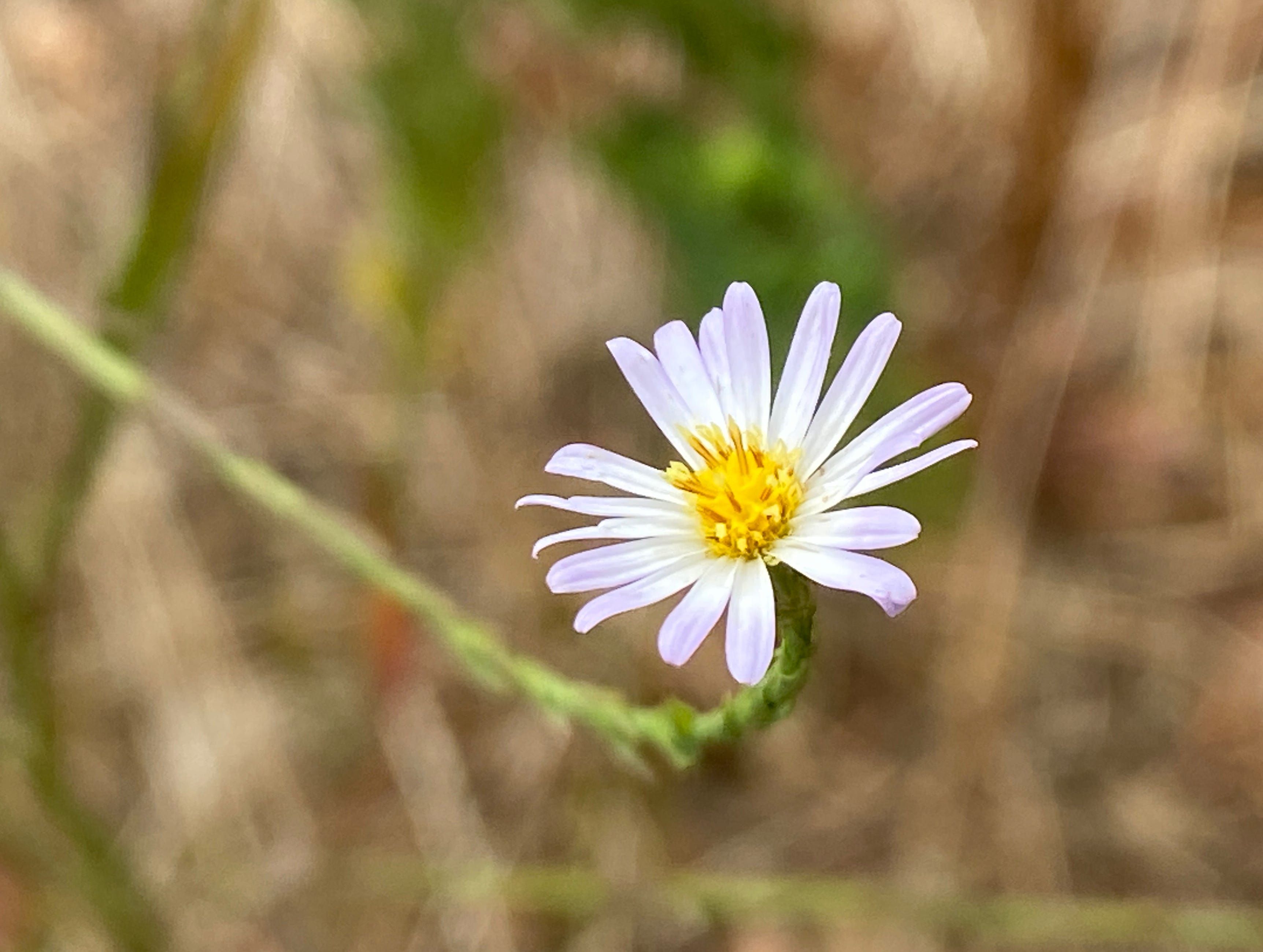
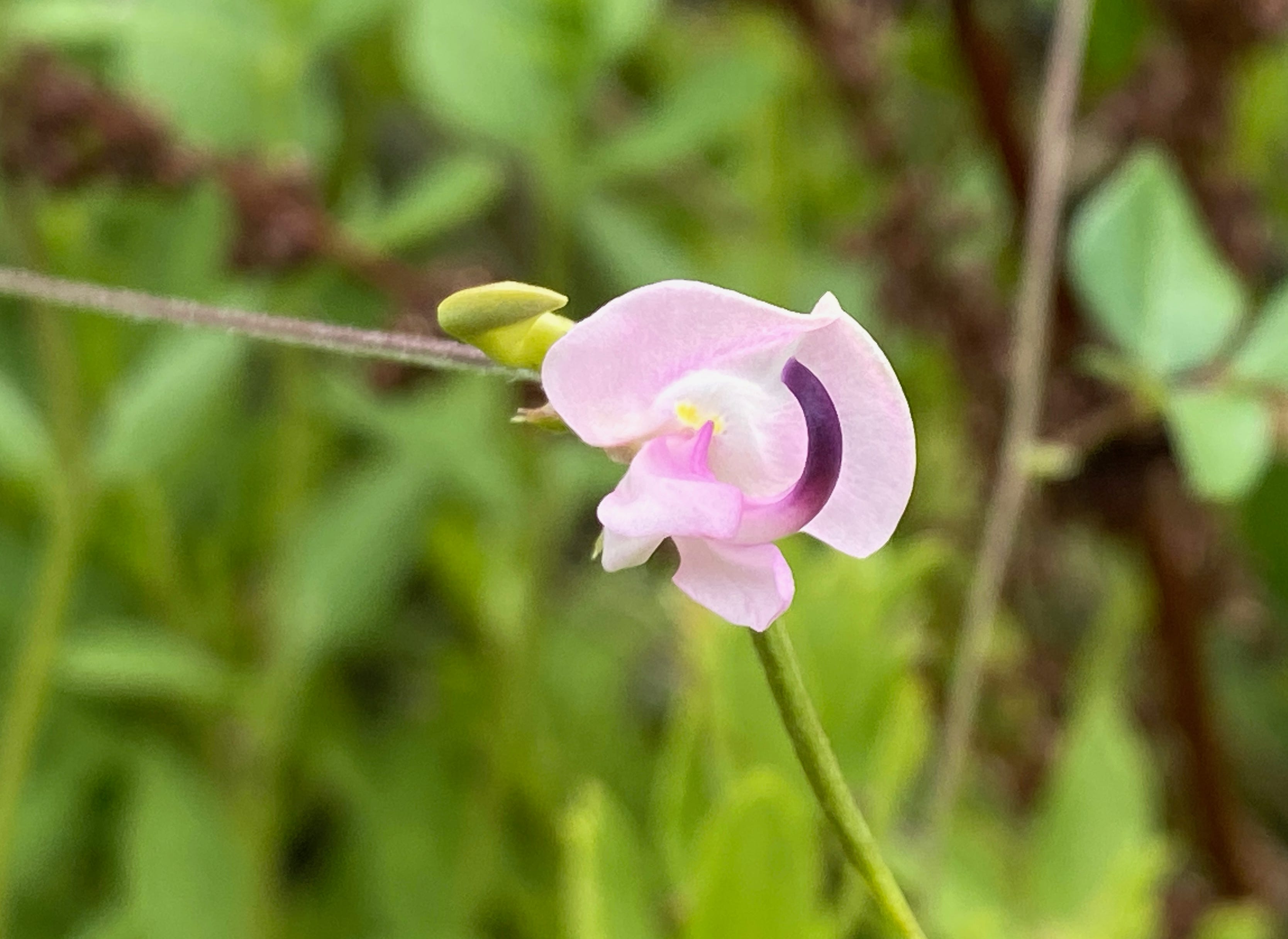
 Our Lives in Nature