I wrote this on Substack, before the murder of Alex Pretti in Minneapolis. That murder intensifies what I express below, but it also compels me to recall how important it is to hold on to each other. Faith in our government is broken, and we have to find ways to support each other while we also try to keep hold of who we are individually.
We each have an identity, a sense of who we are. It is made up of such things as what we value, what we love, what we choose to do and aspire to. My sense of myself is being inundated lately with outrage, loss, and worry. Our country is turning into something cruel, corrupt, and crazy, and it affects many of us profoundly. But I don’t want to lose myself in outrage and worry; that can’t become who I am, or who my community members are.
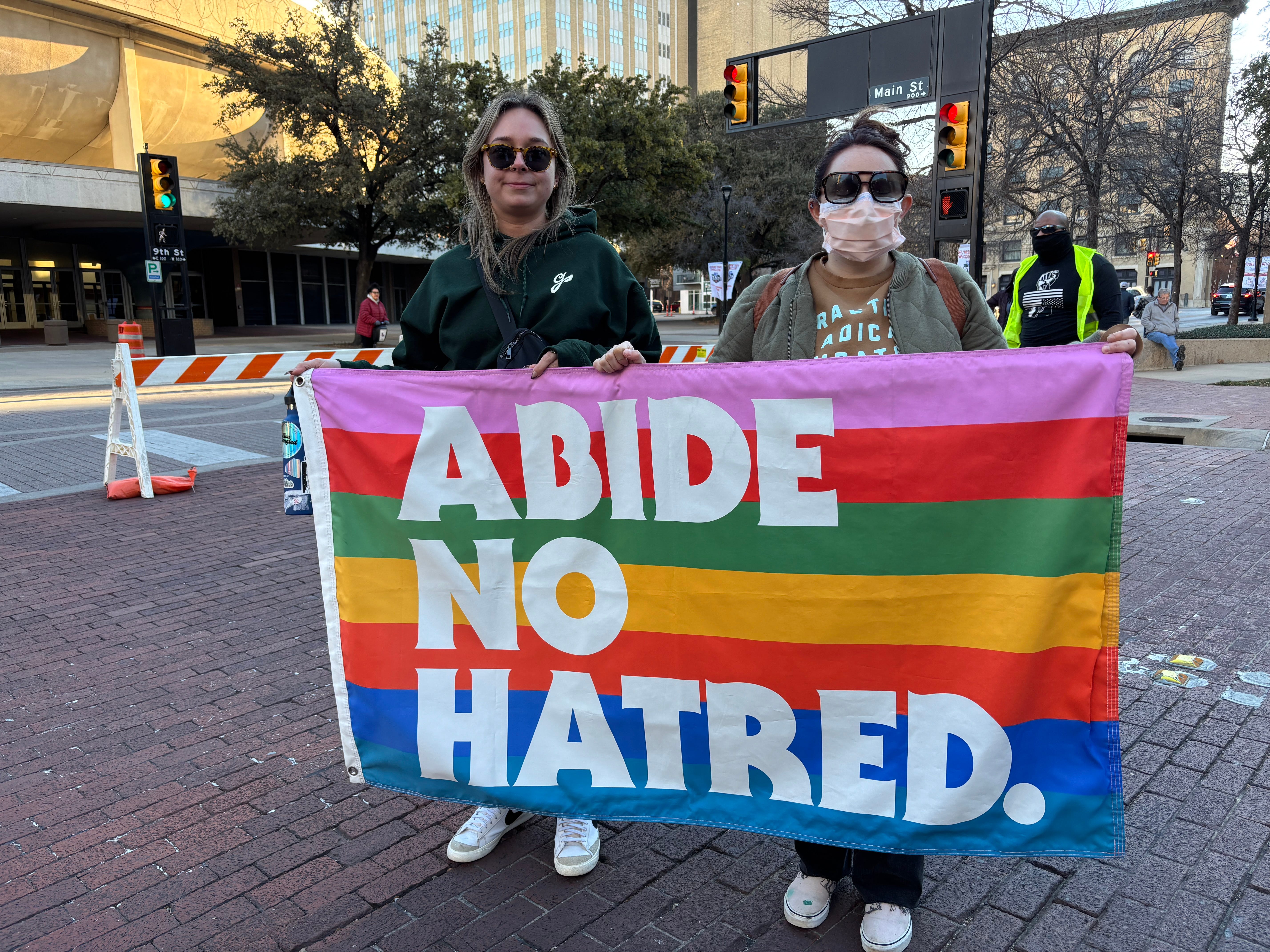
The answer cannot be to give up, to stop doing what we can to fight back. I have been a part of several public protests last year and the beginning of this one. I make comments in social media, because it may be a source of mutual support among my acquaintances and occasionally an actual exchange of ideas. I even still contact my political representatives – even if that is like writing a note and throwing it into the fireplace. None of these things feels like enough, nor do many of them feel effective, and that sense of near-helplessness probably affects a lot of us.
I know from my psychology training and from living more than 70 years what a pervasive sense of anxiety, helplessness, and anger will do, especially if they become chronic. Such things as depression, withdrawal, and retreat into distracting rituals, or worse than those may happen. And then what happens to my self, the part of me that cares for family and friends, loves nature and finds joy and rejuvenation there, finds essential truths in religion, literature, and music? These things could be overwhelmed and pushed away from the center toward the edges. That makes room for the worry, rumination, anger, helplessness and loss that cannot fully coexist with the rest of who I am.
And such things cannot really coexist with who you are. I’m thinking about the majority of us, I’m pretty sure, because polling data show tremendous dissatisfaction among most of us, and millions of us have taken the time to march and hold signs saying that the current situation is unacceptable. I worry for all of us, that we might lose a part of ourselves as this national emergency drags on, becoming a chronic trauma.
People at other times in history have borne trauma, and compared to some of them our situation might seem mild. We are not spending day after day in bomb shelters like the London blitzkrieg (or something similar in parts of Ukraine today). We are not suffering widespread famine like the Great Famine in Ireland in the 1800s (or in Gaza today). But we should understand that worse trauma elsewhere does not make ours negligible.
We are in this situation and we have to see it through. We cannot wish it away. And it will take a toll on us, especially for those in Minneapolis as communities try to take care of each other at substantial personal risk. And perhaps now in Maine, and tomorrow in other places as ICE swarms into other cities. Increasingly, people talk about the potential that the country might pull itself apart. And there is the dissolution of the world as we knew it, with allies pulling away from a rogue U.S. and the potential for war increasing. It was easier, a decade ago, to dismiss all this as naive and alarmist, but in the years that followed, much of what we warned about has come true.
Holding on to ourselves is important during an extended crisis like this. When doom scrolling or ruminating about these problems, I can work on coming back to the “center” of who I am. If I feel lost or numb, the thing to do is to come back to myself. Find a way to step out of what is pulling at me and remember who I am.
Wendell Berry describes this sort of thing in The Peace of Wild Things. He writes about what he does “when despair for the world grows in me.” He goes into nature, “where the wood drake rests in his beauty on the water.” He joins the birds, who are free from worrying about what will happen tomorrow, or in the next hour; they live in the present. And he is aware of the stars and their light, maybe not visible now, but their light will come. Such things free him.
Mindfulness offers a way to step away even if there is no physical refuge, no pond or tree or quiet room where we can go. The practice of mindfulness can give us an ability to let go of things and come back to the present moment with a greater acceptance, even when there is suffering in the present.
This is necessary in order for us to respond to the crisis in some sort of effective way. Taking care of ourselves – holding on to who we are – must happen in order for us to take care of each other the best we can and do whatever else will help. We know what happens when someone becomes saturated with fear or anger, or descends into numbness. That is not how we get through this.
When we feel lost, we work to bring ourselves back. That may be easier when we have a clearer picture of who we really are. Reading and reflecting on the items below might be helpful for that self-knowledge. I hope so.
- How I spend my time in work, play, and with others
- What I value and want to see happen in myself and for others
- How I tend to understand others’ motives and reasons for what they do
- How I cope with challenges, and how I recognize blessings
- What gives purpose and meaning to the world – where I think it comes from
- Who helps sustain me, and how I give back
- Are there places that sustain me, and can they be re-visited
Discover more from Our Lives In Nature
Subscribe to get the latest posts sent to your email.
 Our Lives In Nature