I’ve given a number of talks to groups of kids after being asked to help with their fear of snakes. Even when addressing fear was not the primary reason for the talk, the adults may reason that knowledge and experience will inoculate the kids against fear and will feed the experience of curiosity and wonder in place of fear. Those are wonderful reasons for me to pack up some snakes and a few pictures and go talk with the kids and the adults. Knowledge will help counteract fear, but experience is what works the real magic, and that’s true for any of the phobias of critters in nature and for the general fear of nature that some people have.
We live almost all our days surrounded by our own stuff, our technology and built structures, and our lives become more and more separate from nature. Food and water are treated more like commodities, and even the air is conditioned and filtered. And so, wild places may feel dangerous or unappealing and wildlife may seem more frightening. Fears of various things in nature (collectively referred to as biophobia) become more prevalent. A vicious cycle sets in. As nature becomes more unfamiliar and threatening, our fear or disgust makes us avoid the experiences which might counteract the fears. The “extinction of experience” robs us of the sense of being at home among our non-human kin.
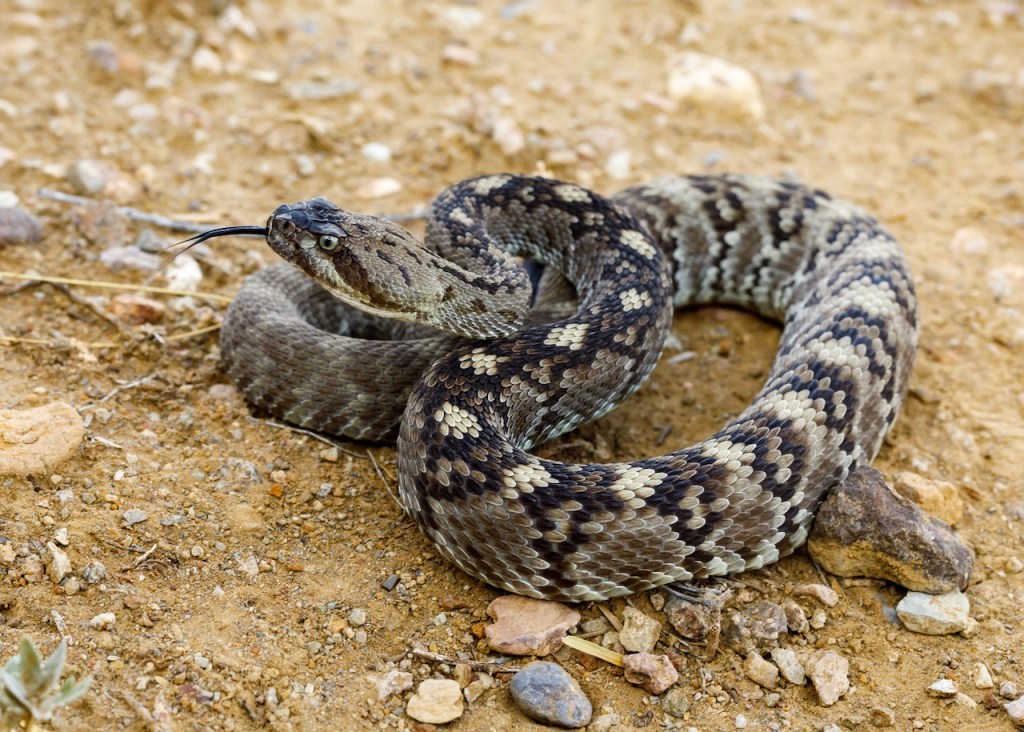
I’m not naive; I recognize that there are dangers in nature just like there are dangers in our homes, neighborhoods and on our freeways. Some of the snakes that I love to observe or photograph are dangerously venomous, especially when we accidentally get too close or try to show off with them. But most people are not bitten, especially when equipped with a little knowledge and common sense.
Coyotes are among the wildlife that people tend to assume are dangerous. A 2009 study searched for reports across the U.S. over a 46 year period and found 142 attacks during that time (with attacks defined as encounters in which a person was bitten). Very few of those occurred here in Texas. Some (30%) were related to coyotes that had been fed by people, accidentally or intentionally. Steps for staying safe around coyotes include not feeding them, limiting the outdoor activity of pets like small dogs, and not running from them (triggering a built-in tendency to chase). To keep it in perspective, the reported dog bite fatalities (not just attacks) from 2020-2022 ranged from 47 to 56 per year. We are in much greater danger from dogs than we are from coyotes.
The idea that we are in greater danger from the things most familiar to us, like our cars (one reportable car crash every 57 seconds in Texas in 2021) or our dogs, is a hard sell for most folks. That is because we are around them all the time, and our experience is usually safe and rewarding. We adults understand intellectually that cars, dogs, household chemicals, electricity, and so on can be dangerous. We do what we can to make the risk manageable and continue to enjoy the benefits. Being careful does not mean that accidents are impossible, but even though there is some chance of accidents, we are not afraid.
Here are some reasons why so many of us are afraid of things in nature:
Limited contact
We are comfortable with what is familiar. A strange place in nature, or certain things in natural spaces, may feel foreign and unpredictable. We don’t know what that bug might do, nor do we know if the coyote howls and yelps might mean they are hunting us down, and so we keep away from contact with those things, thus guaranteeing that we will not have experiences that might teach us what is realistic. Additionally, many people live in cities with no nearby natural spaces and limited transportation, and so they miss out on walks in the woods and encounters with wild things.
Not knowing what to do
Many people would not know what to do in a wetland, prairie, or woods. If they visit, they may bring with them the things they know from everyday life, like listening on headphones, chatting on the phone, riding bicycles or off-road vehicles. I do realize that some people know their way around the woods and still enjoy listening to music or bicycling, but I imagine that there are others who would be bored and lost in nature without gadgets and vehicles. Many people do not know the names of plants or animals and what they do, and would be uncomfortable finding their way through the woods or across a creek.
The culture often teaches fear
Our minds are wired to look for danger, and sometimes we enjoy the thrill of finding it or hearing about it. And so we tell each other stories of the time an uncle killed a big snake or we went camping and were frightened by sounds in the night. We watch movies about bear attacks, snakes loose on an airplane, werewolves, bats that want to suck our blood, and on and on. We warn each other or see overblown news reports of killer spiders or murder hornets. Our culture portrays nature as full of danger, and unless we get out there and discover that nature is mostly safe, we become fearful.
Actual negative experiences in nature
Sometimes we become afraid of something in nature because we actually did have something bad happen there, like a near-drowning incident or being stung by a jellyfish on the beach. At other times, being startled or surprised will trigger fear. As an eight-year-old child, I reached into a hole and felt something soft. Cupping my hand around it, I slowly removed it and discovered a tarantula, triggering a phobia that was pretty severe for the next couple of years (despite the fact that the tarantula kindly refrained from biting the invader to its home). Only after I developed other interests in nature and as a result began to have safe, incidental encounters with spiders and their webs did the fear gradually subside.
Possibly inherited predisposition
Could it be that some of us are just put together that way? It is true that some of us have a greater general predisposition to being fearful, and part of that appears to be genetic. And do we inherit fears of snakes and spiders? There are some studies that give at least a guarded answer of “yes,” such as one in which babies (too young for culture or experience to be a factor) were shown pictures of various animals and their pupillary reactions revealed that they react to spiders – and to some extent snakes – in a more anxiety-related way than their reactions to other pictures.
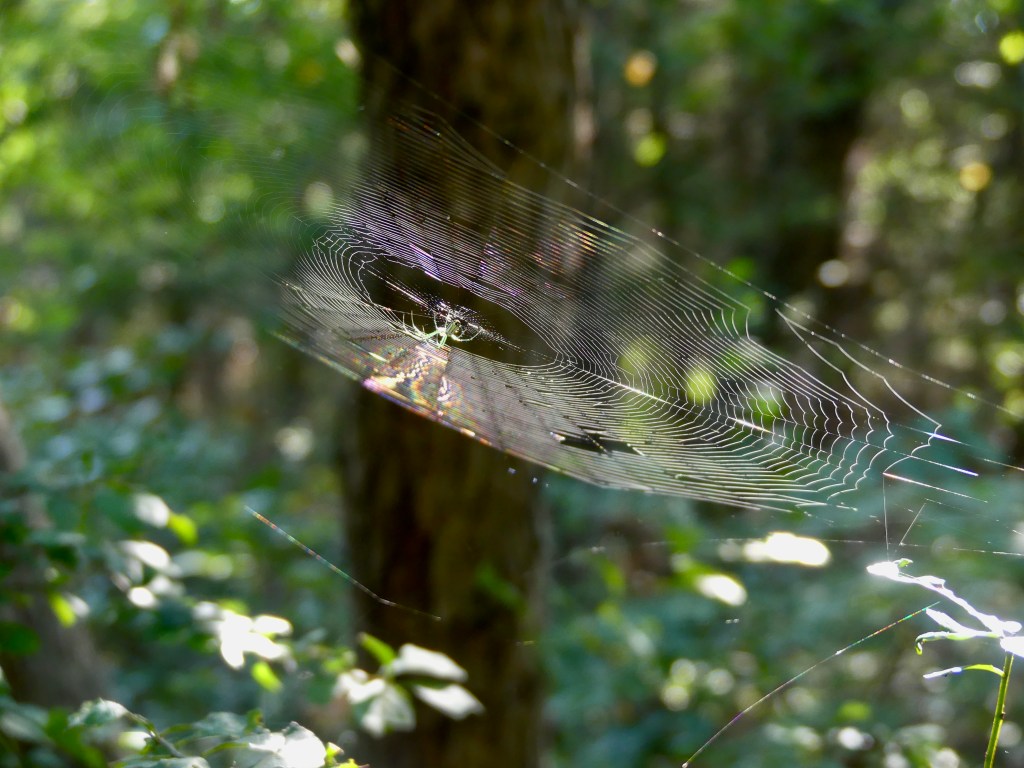
Since time spent in nature provides us a great deal of benefit (here is a review that sorts some of these benefits based on our senses: vision, hearing, smell, etc.), giving people the tools to decrease fears of nature would be a very helpful thing. We can do something about several of the issues I listed above. What if we helped people – particularly children – have more contact with nature in enjoyable ways that could contribute to exploration, safety, discovery, and wonder? I plan to write more about that in this space, so I hope you’ll check back or subscribe so that new posts are emailed to you.
Discover more from Our Lives In Nature
Subscribe to get the latest posts sent to your email.
 Our Lives In Nature
Pingback: Safe (But Not Too Safe) | Our Lives In Nature