Sitting in a preserve writing in my notebook, I wondered about the point of “all this wandering and writing, taking small groups out to learn about or experience nature. While much of the world is falling apart, I hold myself to an expectation of doing something.” What actions are needed? What might contribute something worthwhile? What can I do, and what should I do? How can we work together to sustain the good in society and in nature?
The goals of the incoming administration appear to be to instill fear and division, seek out loyalty and punish perceived enemies, dismantle the rule of law (and the assumption that it applies equally to all) and consolidate unrestrained power and wealth. The plan is evidently to take a wrecking ball to anything in the government and society that interferes with achieving those goals, and collateral damage is perfectly fine.
With that context, what good is finding places in nature for immersion in prairies, woodlands, water, “brother sun and sister moon,” other than an escape? Can my response to our troubles be to keep on living a relatively privileged life, looking for beauty and a connection to creation, keeping my distance from the losses taking place around me? If we want to have meaningful lives that reflect our values, this is certainly a time for self-examination.
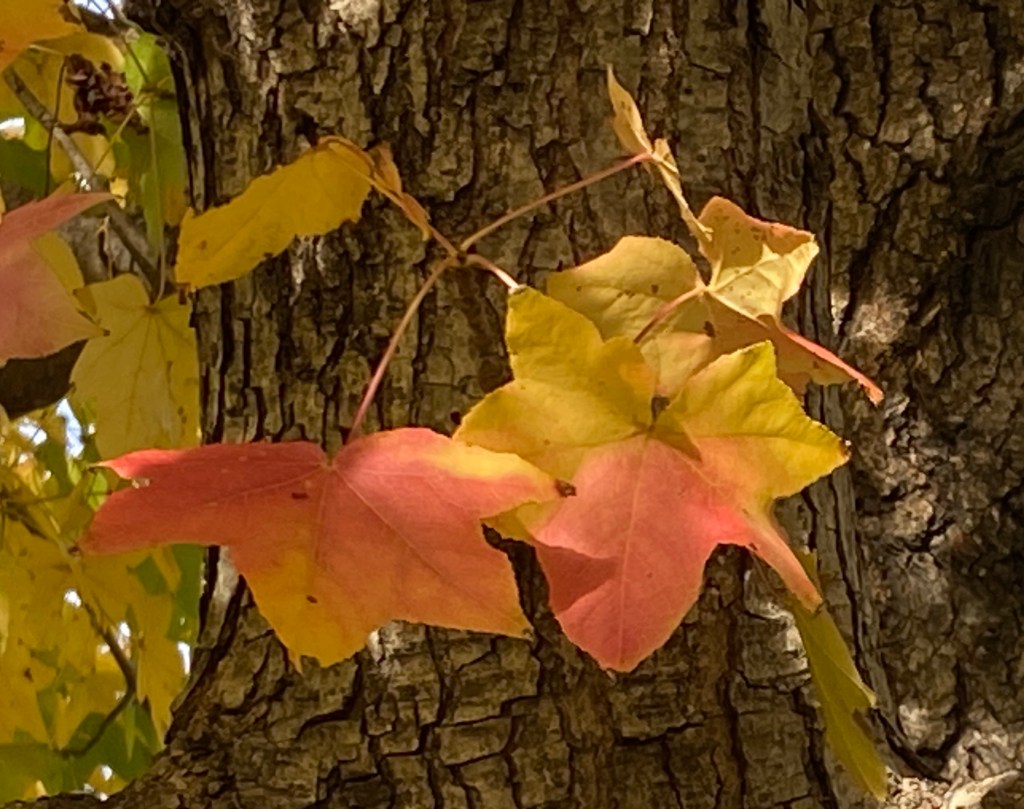
We need each other
As individuals we figure out who we are and what we will do, but much of what we can do is in the context of partnerships, teams, and groups. One strategy for the coming years should be to take care of those connections with others. They keep us sane and healthy, and they help us accomplish things.
It was once easier to be more connected to other people, sustaining real face-to-face relationships as part of neighborhoods or networks of friends. Some of the social institutions were deeply flawed, but one way or another we kept getting together with each other. Increasingly, we spend our time in the bubbles that surround our smart phones, and social institutions are being supplanted by social media.
The importance of actually being present with each other is hard to ignore. So much of human connection and communication involves responding to each other’s posture, facial expression, voice volume and inflection, the flow and timing of our words and bodies. It is intricate, marvelous, and much of it happens out of our awareness. And not much of it can happen in the lines of a text message or Facebook post. You can look at some of the research and professional opinions here and here.
We are more powerless when we are isolated and mistrustful
When is the last time you were in a group of people with a common purpose or intention? Maybe it was a small gathering, or perhaps it was a big group, either listening to each other, celebrating, or something else. There may have been some sense of coming together as one, perhaps a feeling of the group being more than just the sum of the parts. There is an important Surgeon General report on the need for social connection and the epidemic of loneliness we are experiencing that is worth reading, even for us introverts. Our society is ever more fragmented and isolated, leading to real risks for our physical and mental health.
And so I think that taking care of our connections with other humans is as important as the care we give to our connection with the rest of nature. It is together with each other that we have the best shot at defending our favorite woodland, our friends, marginalized neighbors, and a society in which justice and empathy can still be found. When we cannot be together physically, I’m grateful for tools like Zoom and FaceTime that allow the next best thing.
And we need to pay attention to important teachers. Among the first people I think of is Robin Wall Kimmerer, a botanist and professor as well as a member of the Potawatomi Nation. Her new book, The Serviceberry, revisits and extends her thoughts about how relationships work in nature and how that is a useful model for humans. Serviceberries, corn, trout, cedar waxwings – living things in nature provide their gifts and receive benefits in return. Relationships are reciprocal, and, as she writes, “all flourishing is mutual.”
In The Serviceberry, she compares capitalism based on exploitation and scarcity with the gift economy that is prevalent in nature and in some indigenous societies and small communities. “I share what I have with you, and there will come a time when you share with me.” In such ways are relationships of trust and care built, and we all can flourish. It’s a good way of being human, and good business, too. Kimmerer talks about Native American communities in which prestige is based on giving gifts to community members, rather than hoarding wealth.
It is challenging – but important – to be an advocate for and an example of generosity, gratitude, and reciprocity. I’m willing to bet that those qualities, applied to ourselves and our social and natural communities, are the best way forward. Kimmerer teaches us that in nature the energy that drives the system comes from the sun, warming everything, driving the weather, and powering the photosynthesis through which plants make food. She suggests that love is the analogous source of energy that empowers human interactions and communities.
So if there is a reason to be less isolated, this is it. The contribution that I can offer is mostly to try, as I wrote on that day in the preserve, to “bring people more into a relationship with nature,” and hopefully “strengthen a sense of belonging or a sense of being part of a community of life. Perhaps less self-focused, less likely to use the world rapaciously, maybe. We need ways of being less acquisitive, more a part of something.” Maybe there is more; my self-examination is not over, but here is what I know best.
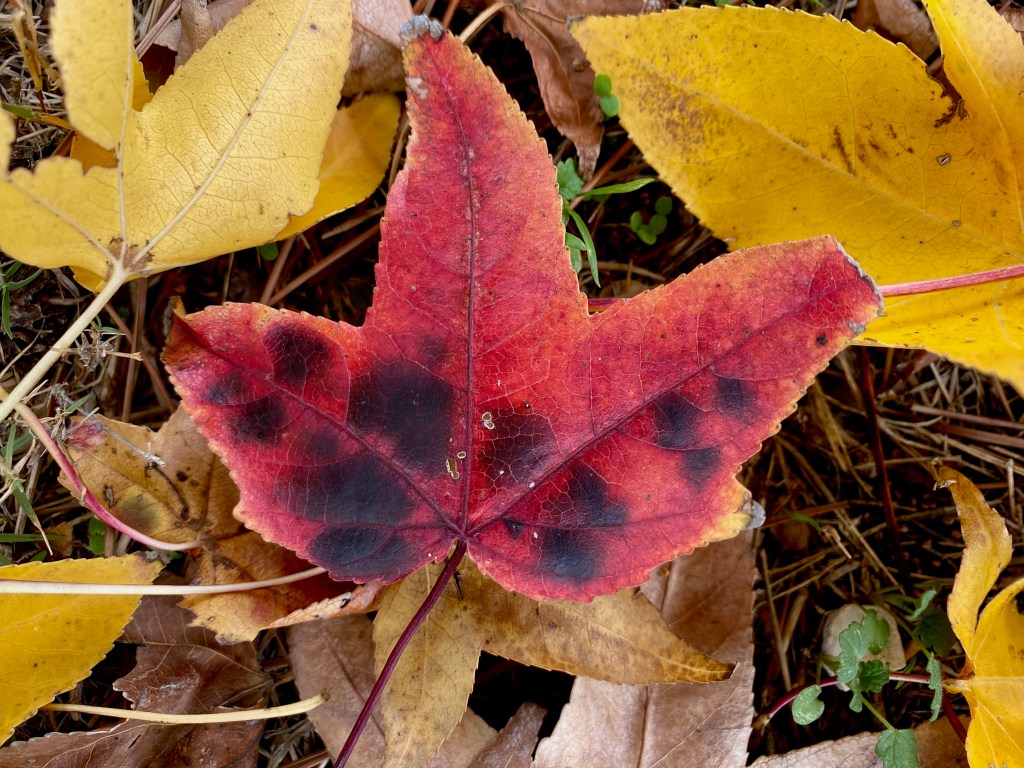
I want to participate in a community of people attuned to each other and to nature. I think such a community would pay attention to the lessons Kimmerer describes. It would seek ways to live that are not centered on power, dominance, and wealth. I think that’s essential to trying to defend democracy and a just society, along with protecting the natural world that makes such things possible.
Discover more from Our Lives In Nature
Subscribe to get the latest posts sent to your email.
 Our Lives In Nature
this was a great perspective to read right now. It feels even harder in the middle of winter, but I’m feeling inspired for when gathering can happen regularly again!
LikeLiked by 1 person
Midwinter when physically meeting might be harder is a great time to take advantage of those “next best thing” technologies like phone and FaceTime, in which some of those communication nuances can still be felt. (See you a little later today!)
LikeLike