“To sharpen our gaze is to behold not only the passing beauty of this world, but also its deep suffering, and I’m afraid of the pain and purgation such vision will entail, that it will break my heart open in ways I’ve only begun to fathom.”
– Fred Bahnson
We know the trouble we are in, and we feel the stress of it. The Sixth Assessment Report of the Intergovernmental Panel on Climate Change (IPCC) tells us that human-induced climate change has caused widespread damage to nature and people. This does not just represent normal weather variability. Over 3 billion people live in situations that make them very vulnerable to climate change, and a “high proportion” of species is vulnerable. Further, “current unsustainable development patterns” are increasing our danger.
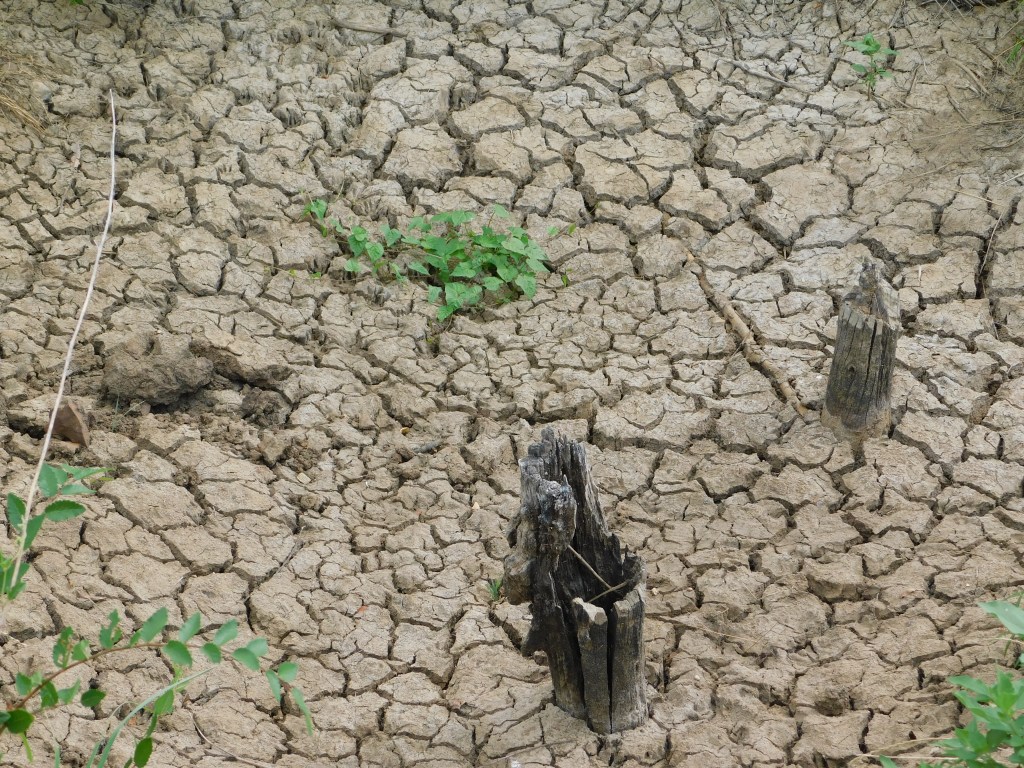
The danger includes more wildfires in various parts of the world, “100-year” floods now happening every few years, glaciers melting, stronger and more frequent hurricanes, drought, and extreme heat. Warmer climates allow mosquitoes and other pests to thrive, leading to disease for humans and trees (milder winters let bark beetle populations expand).
Our sense of safety erodes and the world feels less familiar as we watch world leaders make excuses and see too many fellow humans who are unconcerned or too preoccupied with their immediate challenges to take action. That can lead to helplessness and despair if we’re not careful.
How did we get here?
How did we get to a point where things are so crazy? Who is to blame? We elect leaders, we use fossil fuels and buy all kinds of stuff – are we to blame? I’ve been on the planet for over seventy years, surely there’s more that I should have done. On the other hand, we were born into a culture of growth and consumption. Many of the world’s cultures see nature as a sort of big-box store where it’s all for sale and the more you buy, the higher your status. Western culture enshrines unending economic growth as the only possible path to a satisfying life. It’s hard to swim against those cultural currents. And no matter how much I recycle or try to live “off the grid,” the fracking wells keep getting drilled and Congress keeps giving about $20 billion a year to the fossil fuel industry.
We can’t wait for the culture to change. The culture is us, even if each individual is a drop in the ocean. But we do what we can, even if it’s just for our own sense of integrity. And we reach out to others, pulling drops together until we fill a bucket, and buckets become waves, until we can get something done. Our actions can be guided by what is good for more than just “me,” we can place the well-being of living things above the acquisition of more things, and we can be satisfied with what we have.
The toll it takes
The damage to the planet takes a heavy toll on us, whether we’re watching from the sidelines or working hard in climate activism. A report from the American Psychological Association and others discussed the impact of the anxiety and loss that people are experiencing. There can be trauma from climate-worsened disasters such as tornadoes, floods, and fires. Sometimes the images and fear of future harm can lead to pre-traumatic stress.
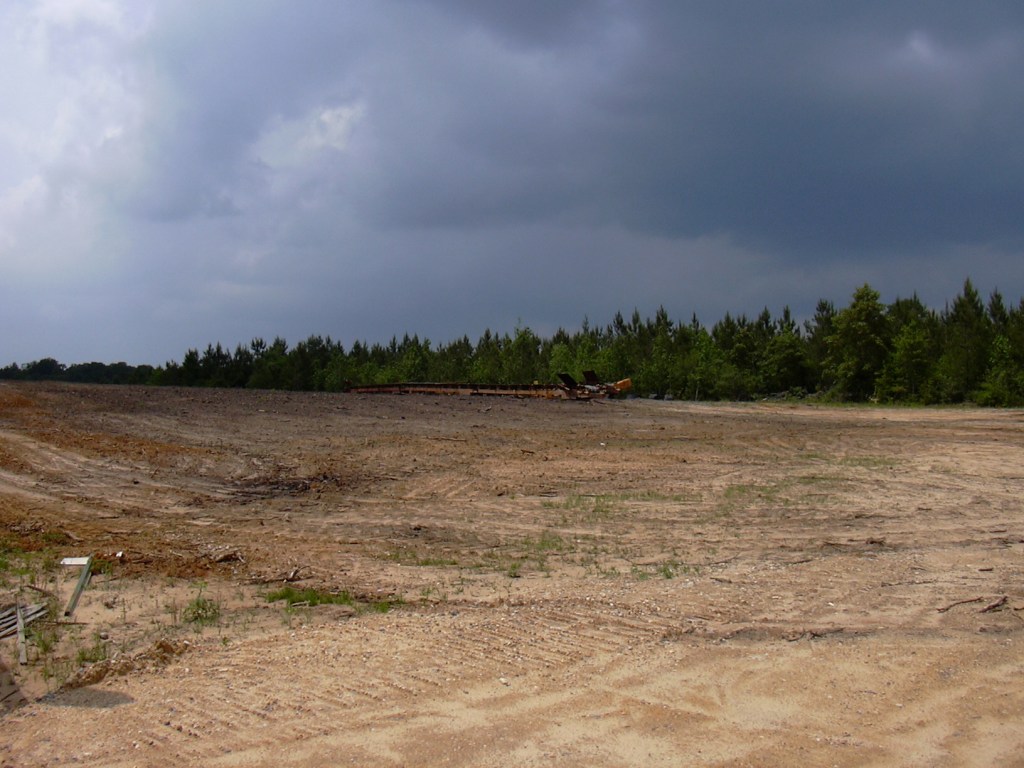
There can be a loss of a physical place (a home, a favorite creek, a glacier, etc.), and a person may experience pain and longing when such a place is gone. Such an experience has been termed “solastalgia.” In the opening chapter of Richard Louv’s Last Child in the Woods, there is a fifth-grade girl whose loss of an important place sounds like solastalgia. The girl loved being out in nature:
“I had a place. There was a big waterfall and a creek on one side of it. I’d dug a hole there, and sometimes I’d take a tent back there, or a blanket, and just lie down in the hole, and look up at the trees and sky. Sometimes I’d fall asleep back in there. I just felt free; it was like my place, ….
“And then they just cut the woods down. It was like they cut down part of me.”
– Last Child in the Woods, p.14
Some environmental losses may be very significant, even when they are on a smaller scale than melting glaciers or burned forests.
Many people are experiencing anxiety and other emotions. A survey of 10,000 teenagers and young adults in various countries found that 59% of them were very or extremely worried about climate change. Most had feelings such as sadness, anxiety, anger, helplessness, and guilt.
It’s not just the kids. Many of us – whatever our age – are grieving for the loss of a healthy and familiar climate. This past summer reminded us how much has already changed, and how we took for granted summer days when you could take a walk or work in the garden without risking heat stroke. We might not have thought about how good it was to live in the old climate. With the new climate, we watch the sense of normal and safe begin to slip, and it’s slipping on a planet-wide basis.
Is it too late?
In some places, especially among young people, you hear considerable hopelessness about climate. We have missed many opportunities to act, and the further we go, the harder it will be to slow down that enormous freight train of climate warming. The question that keeps coming up is, “are we doomed?”

A recent book by Rebecca Solnit, Thelma Young Lutunatabua and other contributors has the title “Not Too Late.” It is certainly not an optimistic book, if optimism is believing everything will be OK, don’t worry. Solnit writes that “to hope is to accept despair as an emotion but not as an analysis.” She makes the case that there are still possibilities for action and she reminds us of all the times that something looked impossible until it actually happened. Public opinion has shifted, over $40 trillion has been divested from fossil fuels, and renewable energy is becoming more feasible and affordable. The outcomes are still uncertain; the authors’ point is not that everything will be fine. Maybe it won’t. But uncertainty means that things could turn out better than our fears suggest.
Taking care of ourselves
Even if we accept that things are not hopeless, we are still left with more frequent, climate-driven catastrophes and losses. What do we do about the resulting grief and anxiety? We can share grief – including grief for losses we see coming – with trusted others. We can put anxieties into words and make them more manageable. We can figure out ways to keep from being overwhelmed and actions that reduce our sense of helplessness.
There are already some avenues for doing this, such as the “Climate Cafés” provided through the Climate Psychology Alliance. These are online gatherings where people can discuss climate fears and anxieties, led by the Alliance’s facilitators. There is also the Good Grief Network, “a peer-to-peer support group for people overwhelmed by eco-anxiety, climate grief, and other experiences of eco-distress” (quoting from their website). At least in Texas, all such events are available online only.
I recently started a small face to face discussion group where we can talk about environmental anxieties and grief. There are real advantages to talking with a few trusted others in a situation where we feel heard and understood. The group is for adults – people 18 years old or older. Children’s understanding of these issues and ways of coping with them and expressing feelings about them are somewhat different, so the group does not include children.
My professional career and training has been in psychology and I am a licensed Psychological Associate. That does not mean that this is group therapy, and participants are not clients. I simply support and facilitate our discussion and gently keep us within the boundaries of supporting each other and encouraging self-expression. There is no charge for the group.
One of the central issues for the group will likely be what we can do to take care of ourselves. I recently wrote about coping with the record-breaking heat this summer and I outlined the following ways to help cope with the anxiety and loss:
- Express yourself – talking, journaling, drawing, etc. Most things are easier to carry when we share them with people who listen with empathy. Writing in a journal or drawing are other helpful modes of self-expression.
- Practice mindfulness and acknowledge beauty. When in natural settings, paying attention to the present moment, with an attitude of acceptance, is a helpful way to let go of persistent thoughts and emotions. The beauty we find in flowers, a woodland, or a sunset reminds us of the good that still exists.
- Accept uncertainty. Mindfulness is a good way to work on this one. It is hard to live with uncertainty, but letting go helps more than trying to control what is not controllable. We can still take helpful action (see below) but with less struggle.
- Engage and act. We can easily feel helpless with a problem this big and complex. It helps to find something to do (as noted above, drops come together to fill buckets and buckets become waves). We can be part of something bigger, such as Arlington Conservation Council, 350.org, or other groups.
- Find a therapist. If things become too heavy, we can seek out a counselor or therapist. Climate Psychology Alliance-North America maintains a climate-aware therapist directory.
It’s easy to be anxious or sad in an uncertain climate future, with painfully slow progress in fighting climate disruption. If those are your feelings, you’re not alone. A recent poll by the American Psychiatric Association found that more than two-thirds of Americans are “somewhat” or “extremely” anxious about climate change. Do what you can, find a community of people who understand, and take care of yourself.
(The epigraph at the beginning of this article is from Fred Bahnson’s “The Ecology of Prayer” (2017) in Orion, v.36 No.4. More information about my climate grief/anxiety group can be found on the climate anxiety & grief page of this website. This article was also published in the November issue of The Post Oak, newsletter of the Arlington Conservation Council)
Discover more from Our Lives In Nature
Subscribe to get the latest posts sent to your email.
 Our Lives In Nature
I’ve had this post open in my tabs for months and New Year, New Me—clear all the tabs I’ve been holding open!
I can’t even begin to explain to my son how different the world is now vs even a decade ago. I see it, though, how much has changed in 10 years and I think we all do but we have an amnesia of what it was like *before*. I’m glad you are finding outlets to talk about it all!
LikeLike
Talking to our kids or to young friends about this focuses us on the extent of loss, and might make us reflect on the extent of our complicity in it. That’s hard. If we love the upcoming generations and want them to have a good world, it’s hard (though we cannot anticipate ways the world might be better than we fear). Hang in there; do what you can and I’ll keep trying as well.
LikeLike