(Reprinted, with light edits, from my post at the Friends of Sheri Capehart Nature Preserve blog)
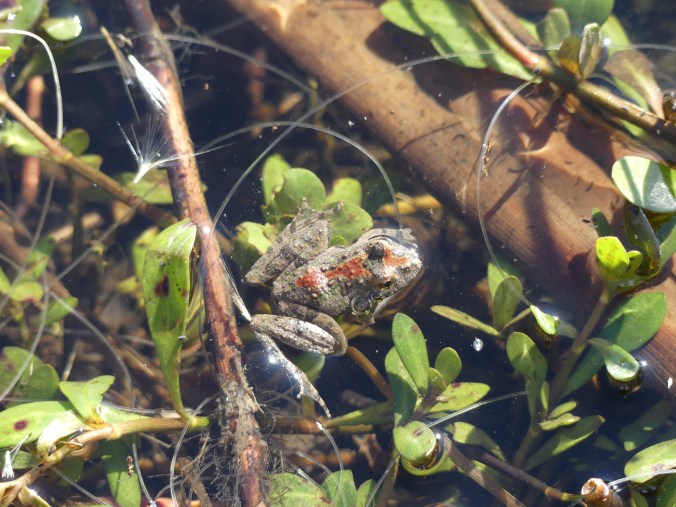
Around Earth Day, iNaturalist throws a party, and the dancing and eating and games all take place in nature. The party is called “City Nature Challenge,” a four-day global bioblitz in which the partygoers look around at all the life that surrounds us and take photos or recordings so that everyone can see all the riches, the birds, fish, insects, trees and grass, all the life that our planet offers.
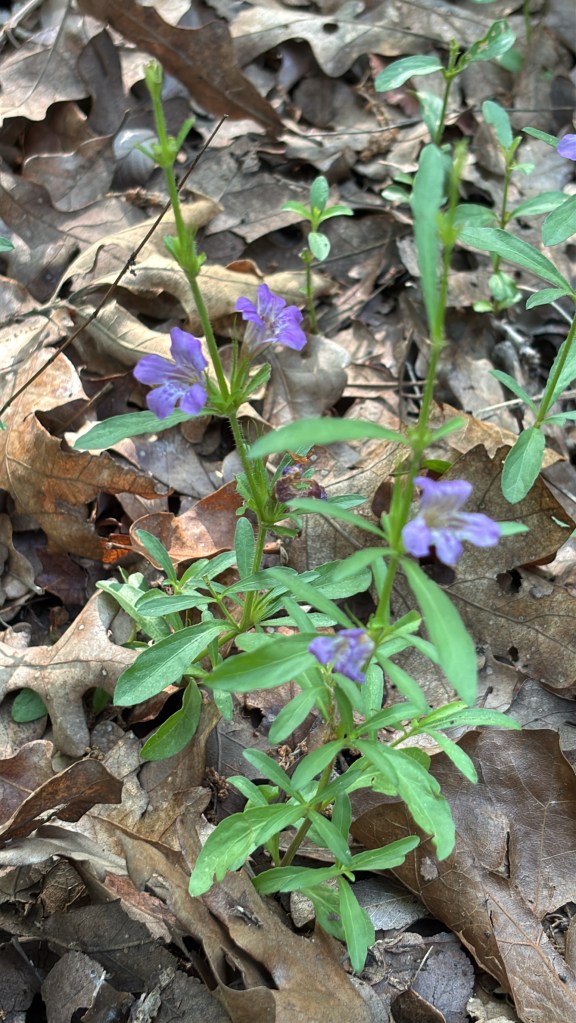
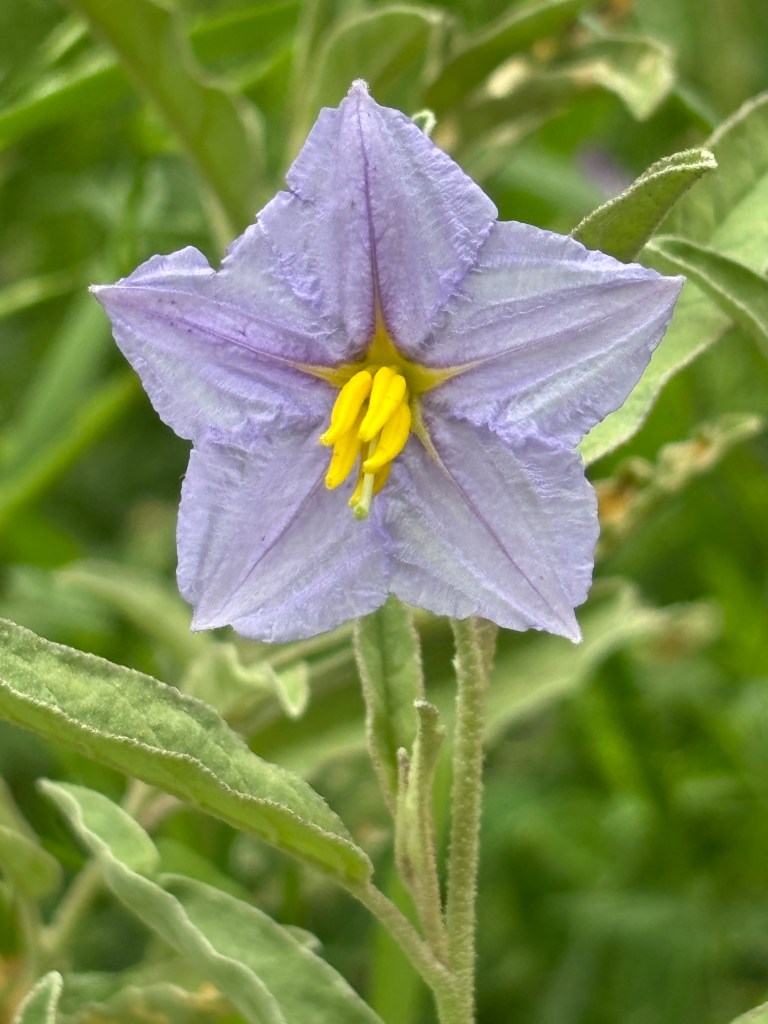
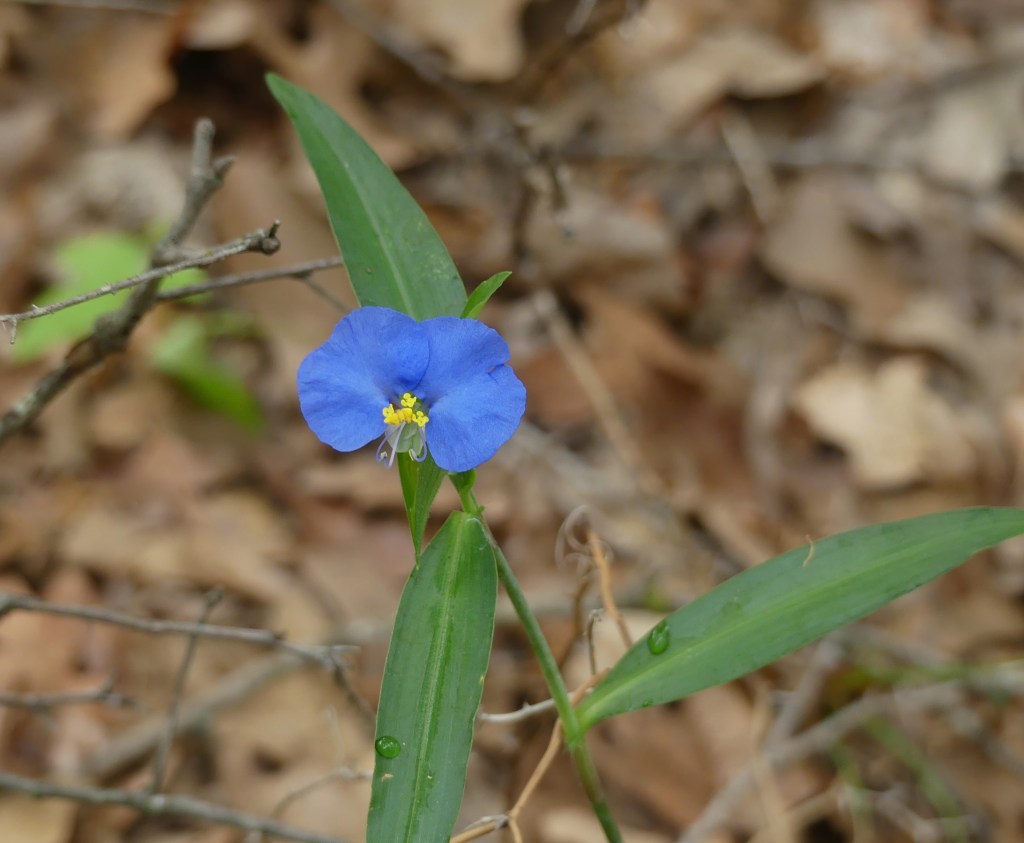
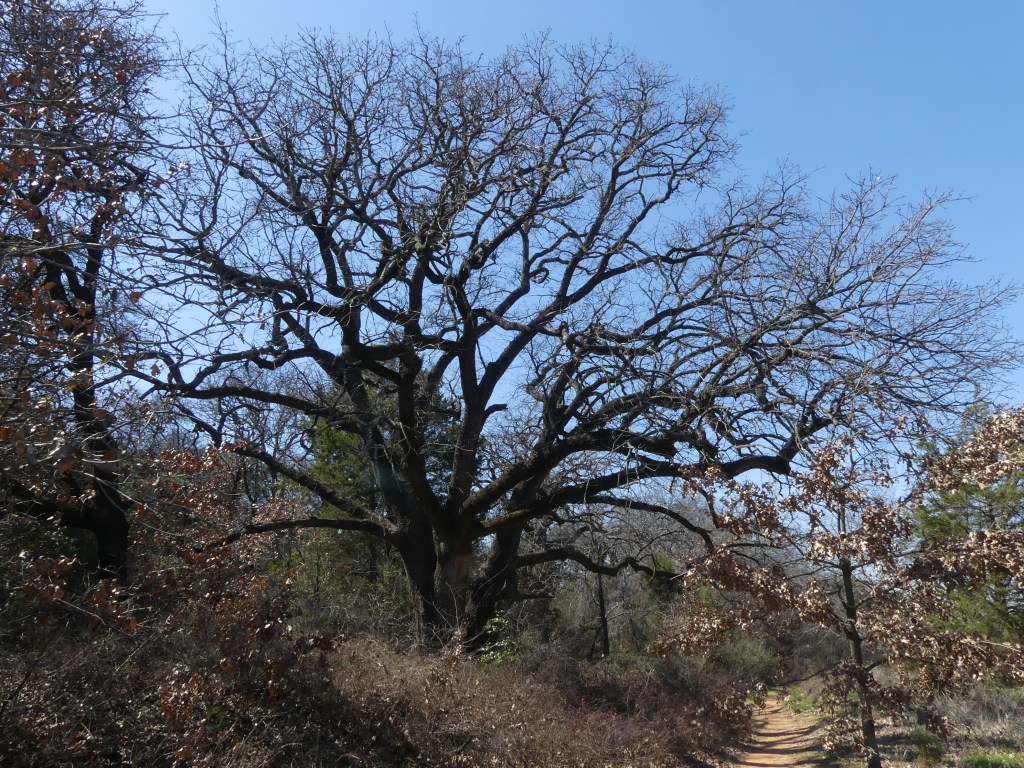
In our little corner of southwest Arlington, we joined the party at Sheri Capehart Nature Preserve. I took a walk Friday morning to see if the trails were too muddy and was grateful that they were drying from recent rain. Along the way, I photographed about 25 things in the woods and by the pond. There was snakeherb, a delightful perennial herb with bell-shaped lavender or purple flowers. Reportedly an early Texas naturalist wrote that indigenous people used it for treatment of snake bite.
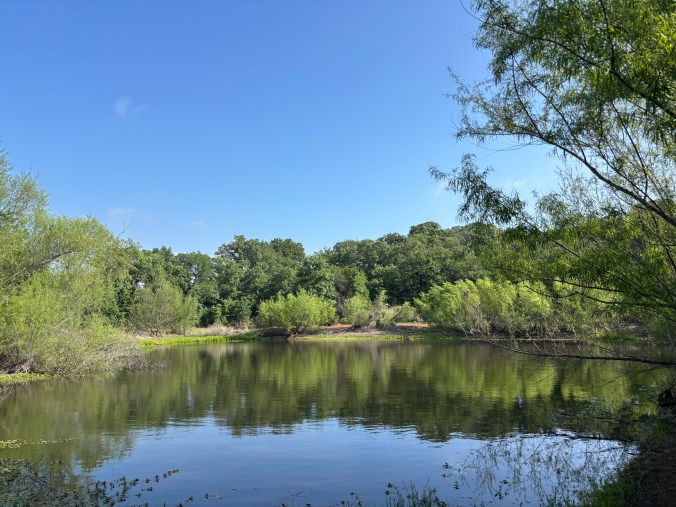
We needed the trails to be walkable for the party that evening, celebrating frog calls of north Texas. A wonderful group of folks gathered at 8:00pm and I played recordings of our toads, treefrogs, true frogs, and cricket frogs. And the Blanchard’s cricket frogs at the south pond joined in, giving us a nice chorus of “grick-grick-grick” multiplied by a good number of frogs. That resulted in a call index of 3, using the system developed for rating the intensity of frog symphonies and song cycles. So many frogs calling that their voices, for a little while, were continuous and overlapping.
As the light faded and the moon shone in the darkness, we walked the trails to the big pond. Right away we found a striped bark scorpion which glowed a ghostly blue under Glen’s black light. Then as soon as we got to the water’s edge, we noticed a mammalian partygoer swimming in the pond, reaching the surface and then disappearing, and then briefly heading for shore until she or he noticed all the flashlights and humans watching. Someone noticed the animal apparently had a flattened tail, and so we concluded (without a photo) that it had been a beaver.
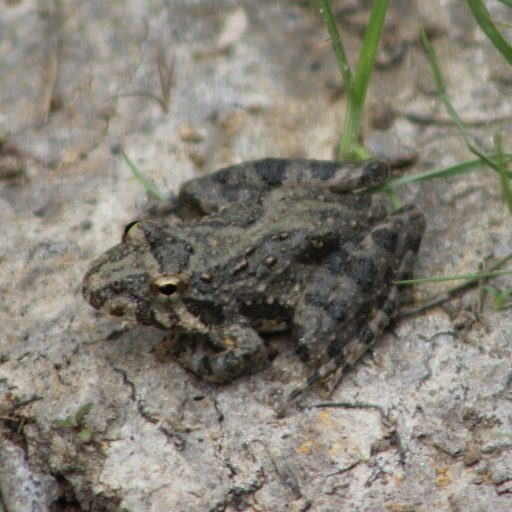
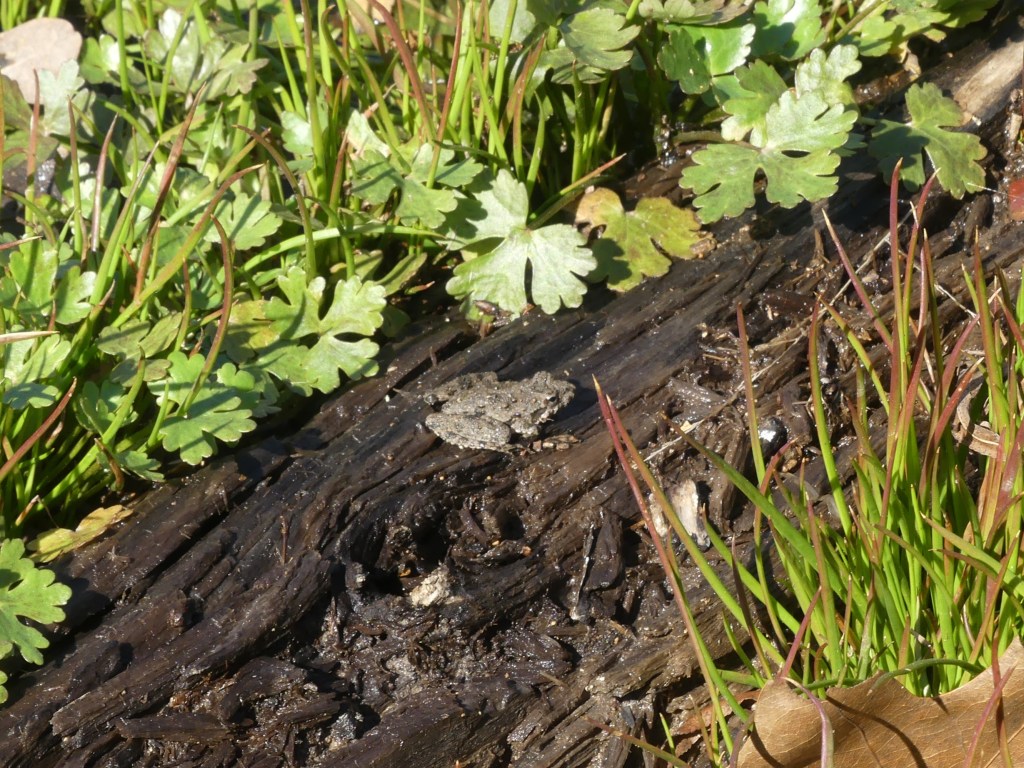
As we continued to explore the shoreline, the cricket frogs continued their chorus. These are little frogs – one could sit on your thumbnail – with big voices. So big that I needed to verify for our folks that these loud frogs were indeed cricket frogs. What sounds in the distance like a click, maybe two pebbles knocked together, up close is a “grick!” with a slightly different texture and tone.
And all of that energy coming from a little male pulsing that vocal sac under the chin over and over again to signal his presence to a female. If she comes to him, he will fertilize the eggs she lays in shallow water to start the next generation. Their lifespan is a few months to a year or so, and they are constantly being picked off by a number of predators, and so these choruses are critical to their survival.
In the midst of all those cricket frogs calling, we began noticing spiders at the water’s edge, like the delicate, long-legged ones called long-jawed orb weavers. They’re harmless to us, and those long jaws that grab the spider’s prey are not a threat to us. Their role is to weave webs near the water so as to trap small insects found there.
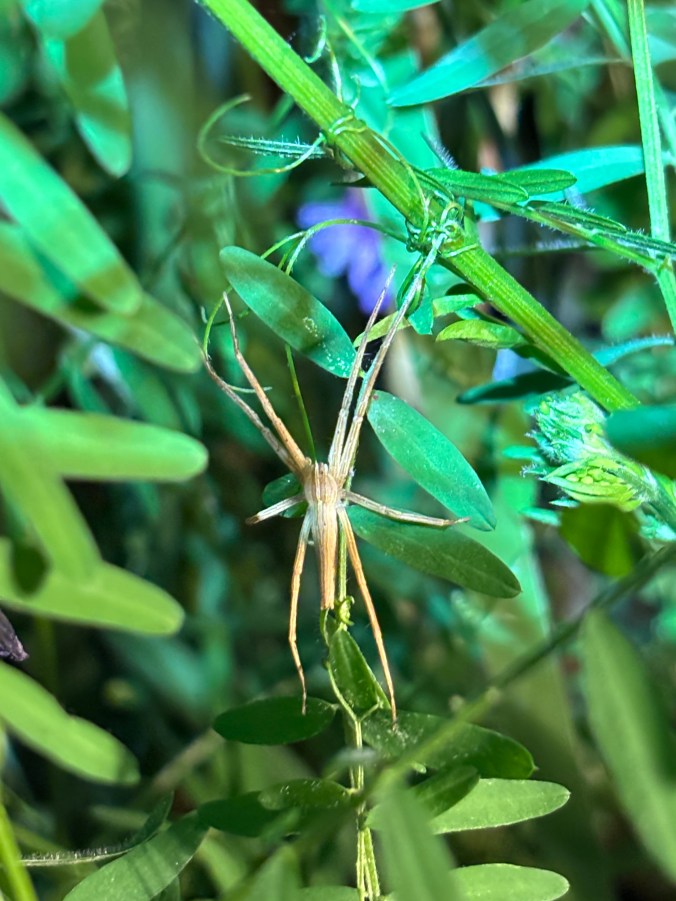
Another was a spider I thought I recognized from hanging out with spider expert Meghan Cassidy. One of the spiders she photographed and we used in the Mindfulness in Texas Nature book was a small nursery web spider so obscure that it’s known only by the scientific name Pisaurina dubia. Yet another of the small and inoffensive spiders of the preserve.
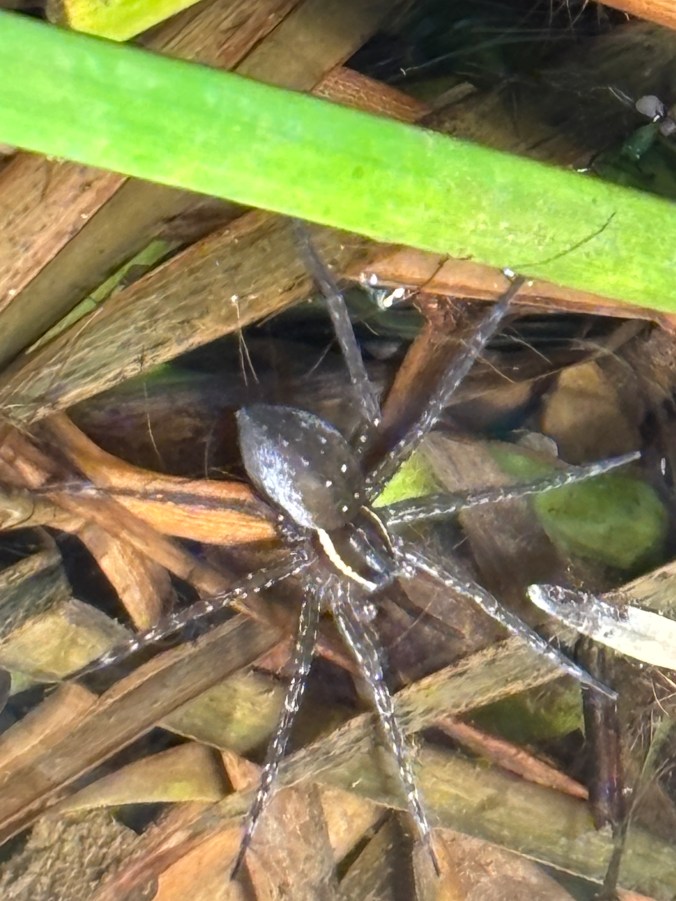
But the next one was more substantial (yet still harmless to us). At the base of some cattails was a six-spotted fishing spider, resting on the water with legs spread across two or three inches. They are powerful predators that can catch and eat insects, small tadpoles and frogs, and little fish.
The best, or most noteworthy, of these arachnids was caught by Edgar on the last part of the walk. He caught this little beast as it ambled along the trail and brought it for us to try to identify. I was amazed to find that it was a small solifuge, the first that I’ve seen at the preserve.
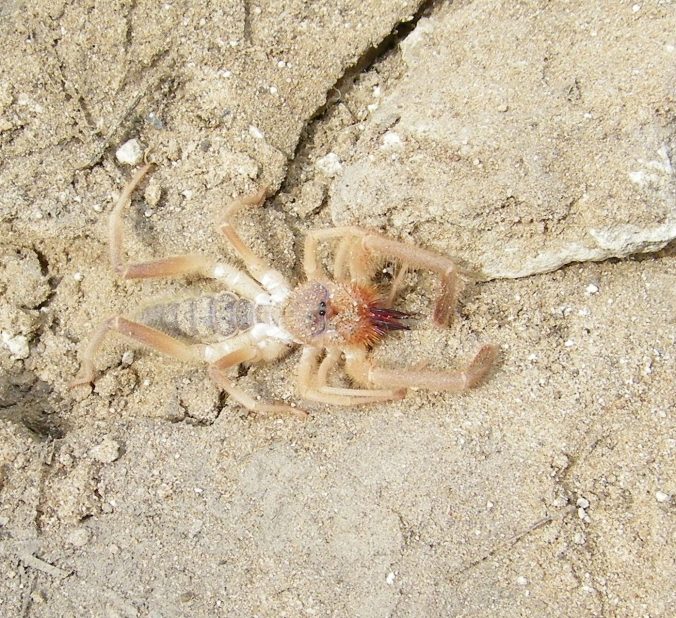
I’ve seen them in West Texas though, and they are fast and have very powerful jaws. Reassuringly, they have no venom, just those big mandibles – two on top and two beneath. They can bite and chew up invertebrates and even small vertebrates. Solifugids have a variety of common names, like wind scorpion or sun spider, though they are neither scorpions nor spiders. They have their own group (their own order) within the class Arachnida.
This little arachnid, who shone blue under a UV light, managed to jump out of the tub Edgar had him in and quickly run under some grasses so that we could not find him or her again.
The next morning, the party continued although I was on my own. Starting at 9:00am I visited the pollinator meadow briefly and then walked up to the bluff, past dozens of blooming spiderworts and whitemouth dayflowers. This is a beautiful time of year, and soon the spotted beebalm should have their time.
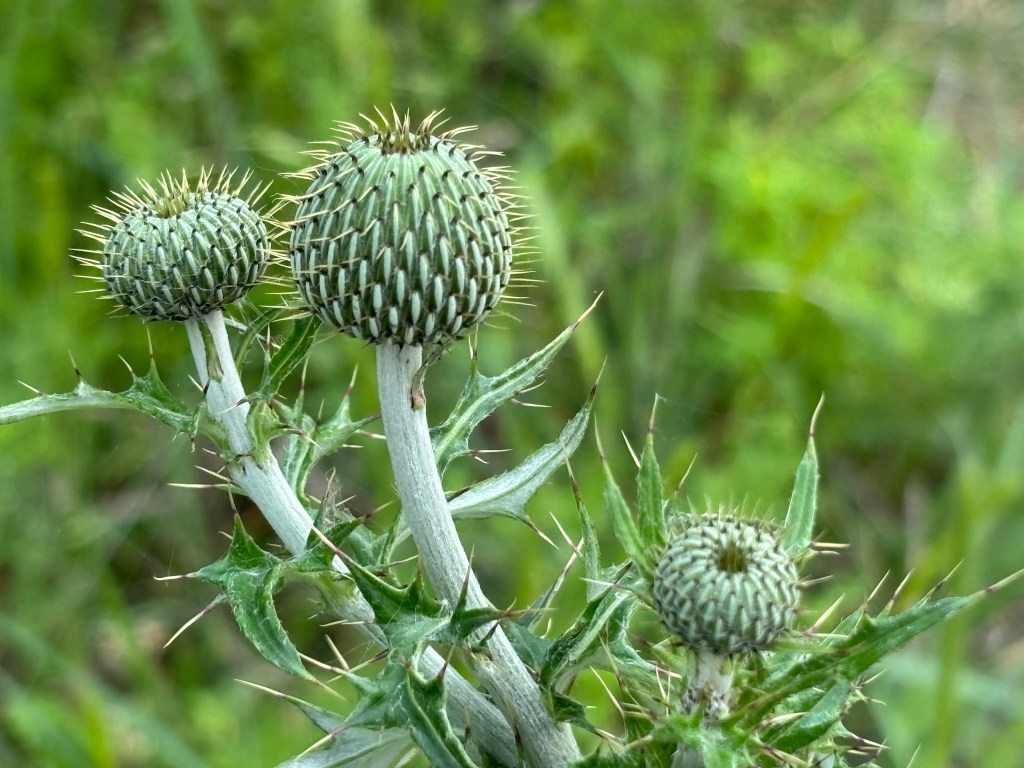
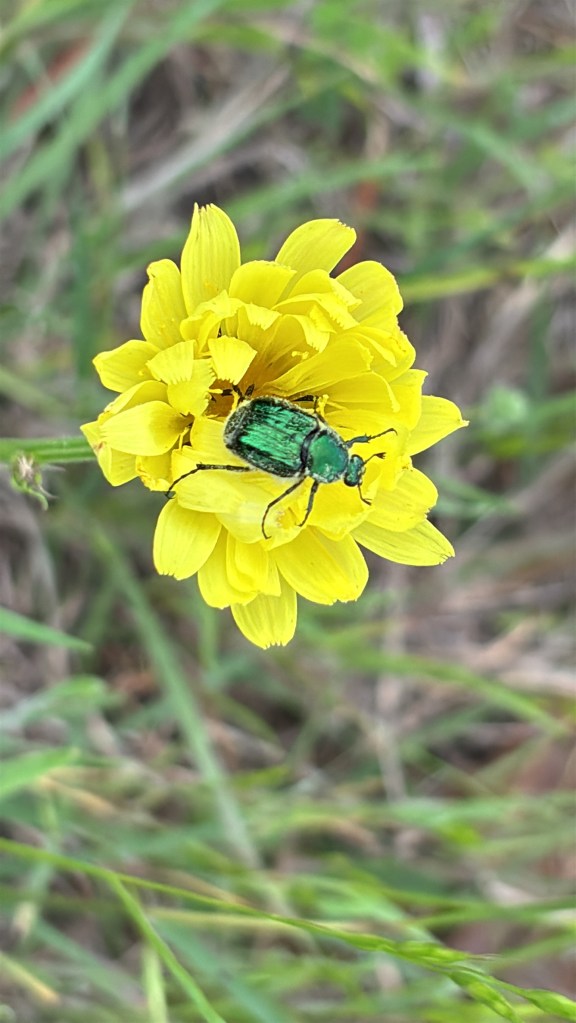
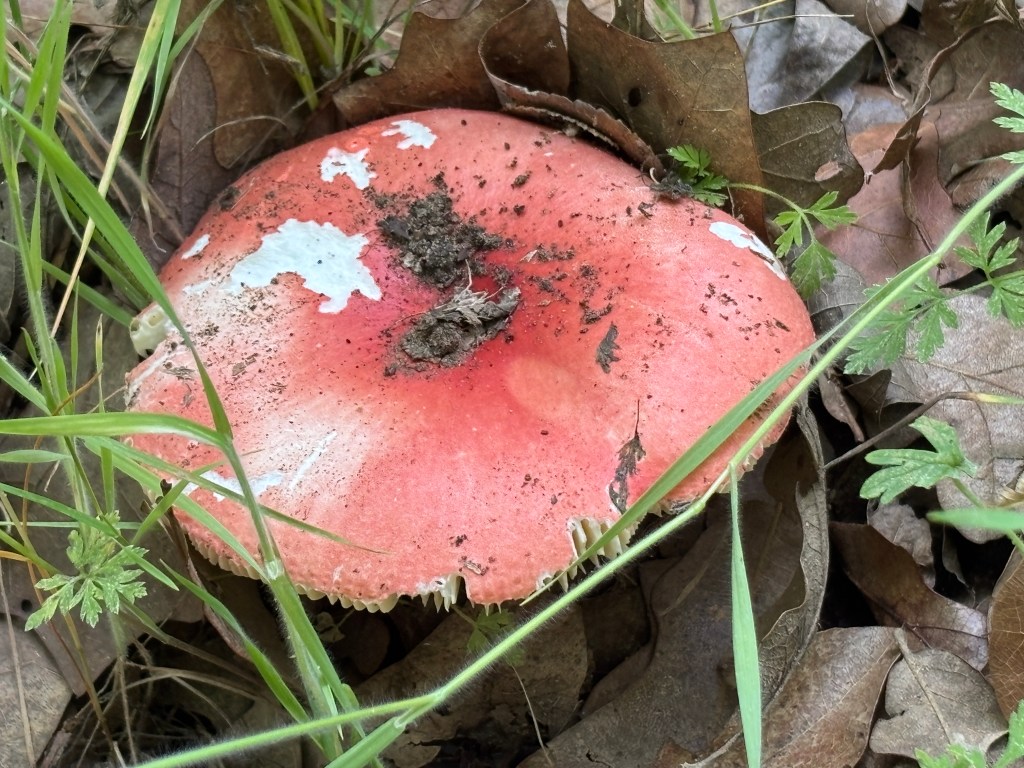
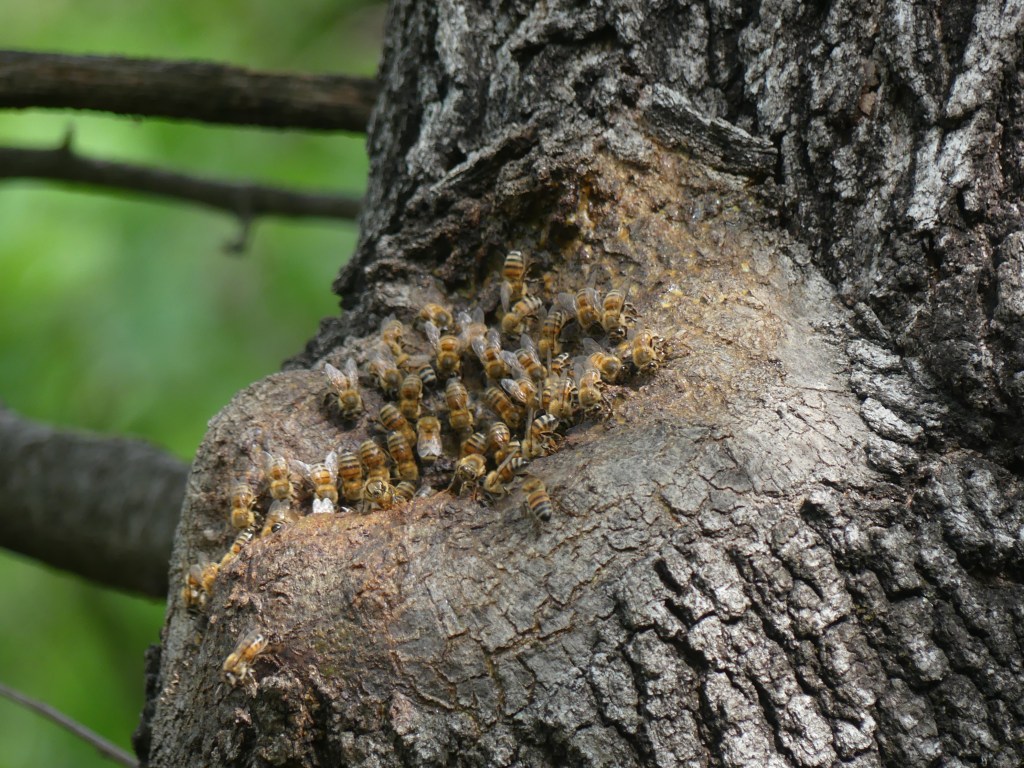
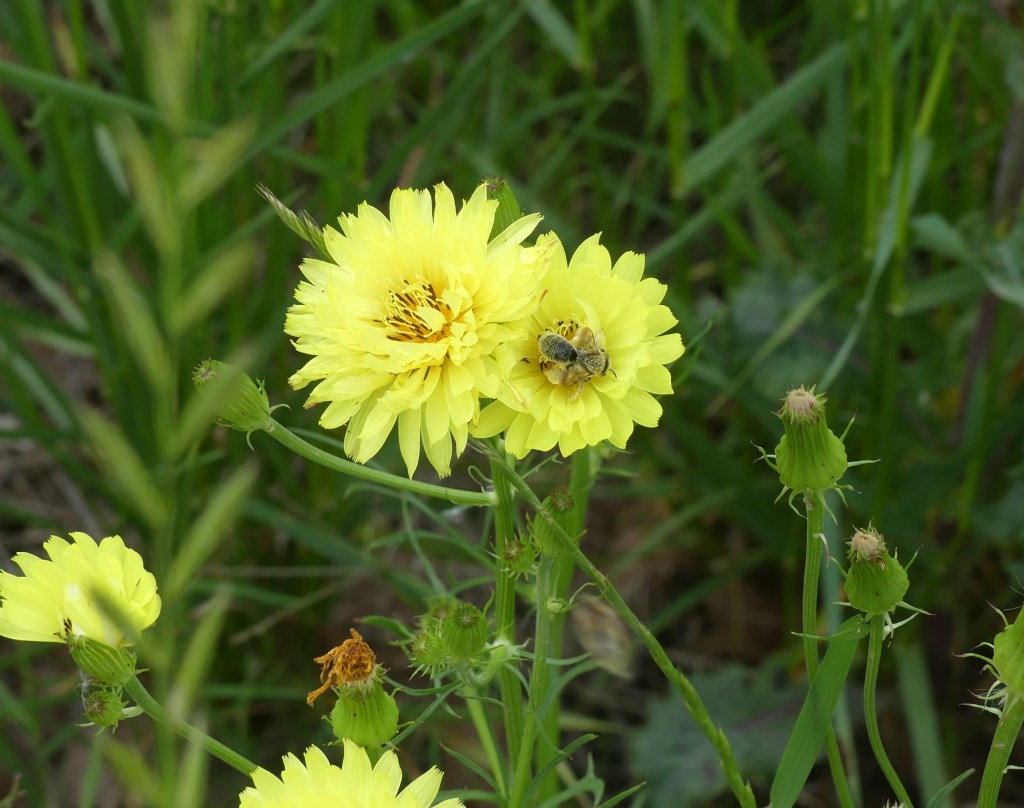
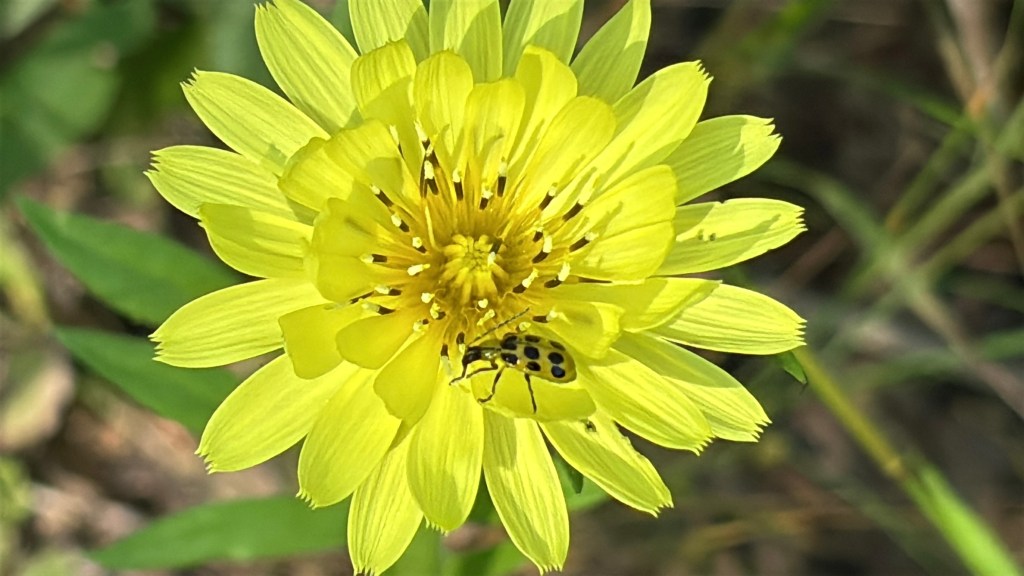
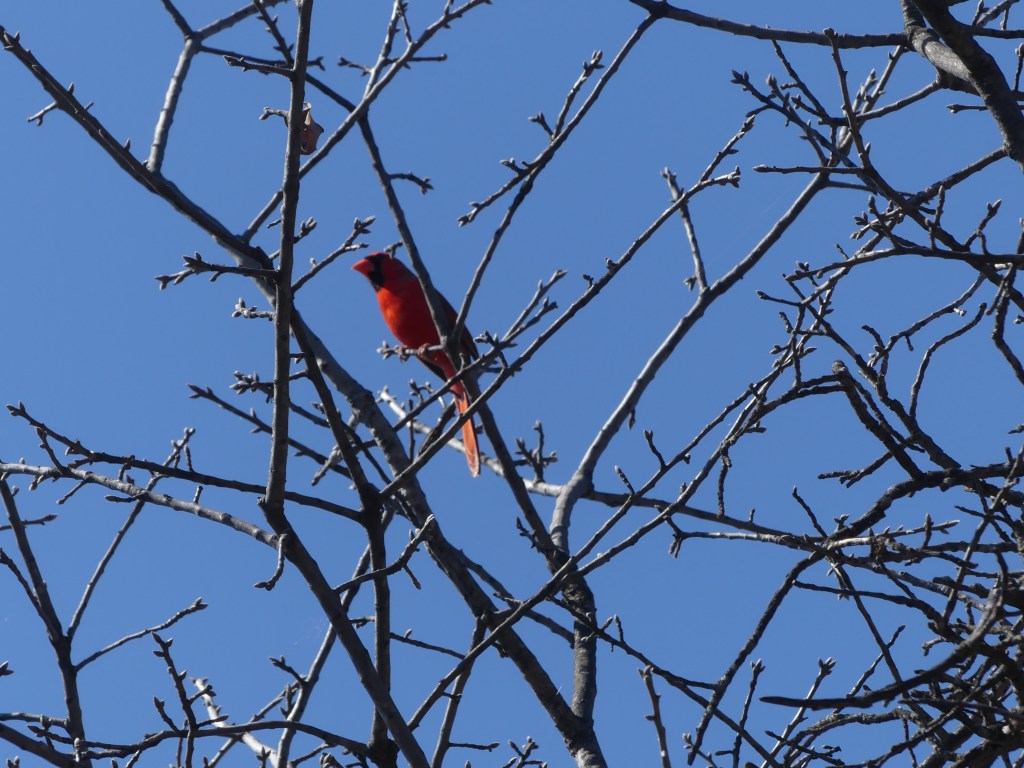
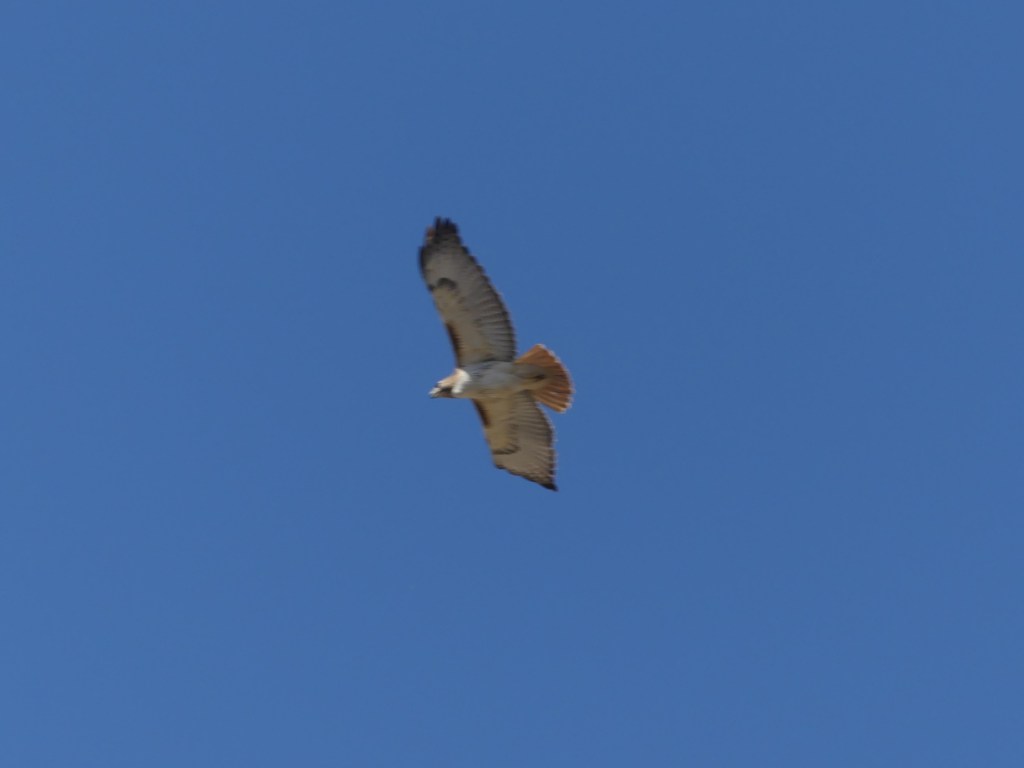
I added 61 observations during my two days at the party (just a few of which you can see below). And the party continues through Monday, and so I hope you get all dressed up and have a dance and some party snacks (all this figuratively) out in some beautiful nature spot. Unless you have plans somewhere else, Sheri Capehart Nature Preserve would be a wonderful place to celebrate.