This week, take a moment to remember the frogs, toads, and salamanders of North America. It’s Amphibian Week, started in 2020 by the Partners in Amphibian and Reptile Conservation (PARC) and partners such as Save the Frogs! These animals are important to the ecosystems in which they live, partly because predator species depend on them being so numerous (in places their biomass – total mass of amphibians – makes them a significant source of food to support the community). One way that they are important to us is how the calls of frogs and toads bring the nighttime to life in many places. The famous herpetologist Archie Carr said, “Frogs do for the night what birds do for the day: They give it a voice.” And amphibians are important just because; like other species, they have intrinsic importance.
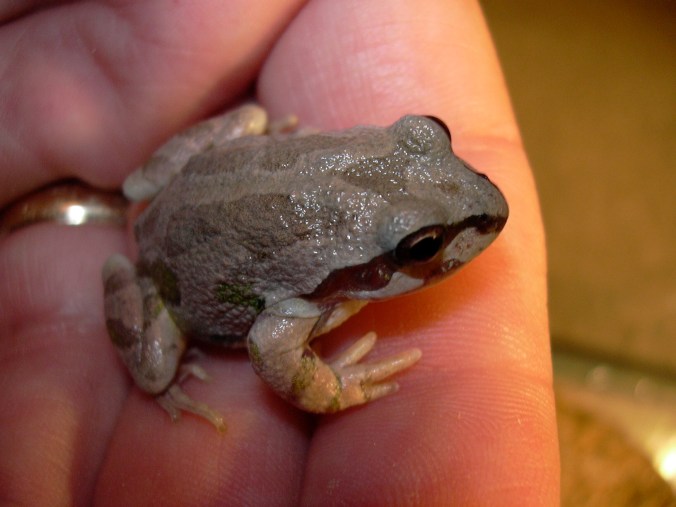
To celebrate, here is some information about Texas amphibians, adapted from the pdf file you can find right here on my “herpetology” page. Here in North Texas it is expected to be rainy for part of this week, and the amphibians will appreciate that. Maybe you can get out to a wetland in the evening and listen for some frog and toad calls.
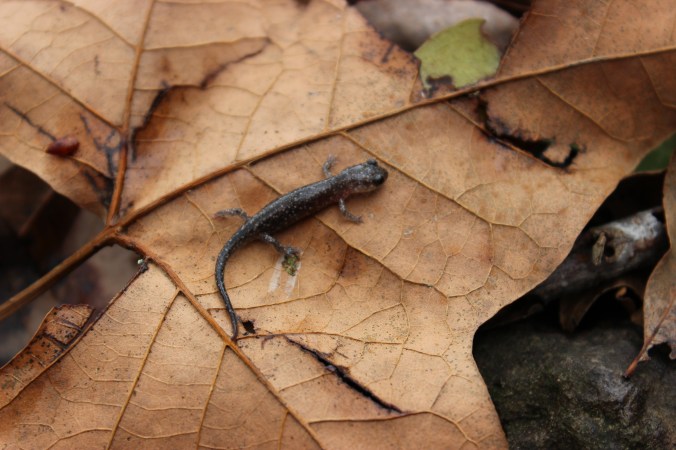
Amphibians include frogs, toads, salamanders, and caecilians. All of them are vertebrates that cannot generate their own body heat – that is, they are “cold blooded” or ectothermic. Amphibians have smooth, slimy, or warty skin which allows them to “drink” through the skin but also makes it easy for them to lose water by evaporation. They lay eggs without shells and almost all species hatch into an aquatic larval stage. One of the exceptions to that rule is the Slimy Salamander, which lays eggs in moist soil and leaves, and embryos develop into miniature adults before hatching. For other species, after growing and developing in ponds and streams, tadpoles and most larval salamanders change from aquatic, gill-breathing animals to animals that breathe air with lungs.
Frogs & Toads
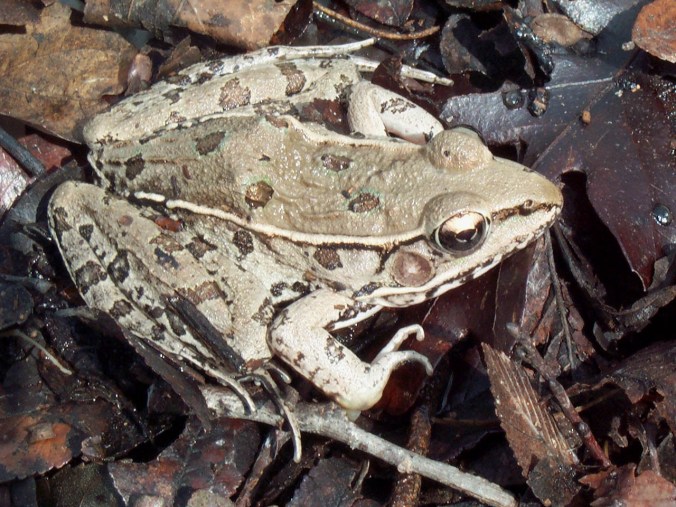
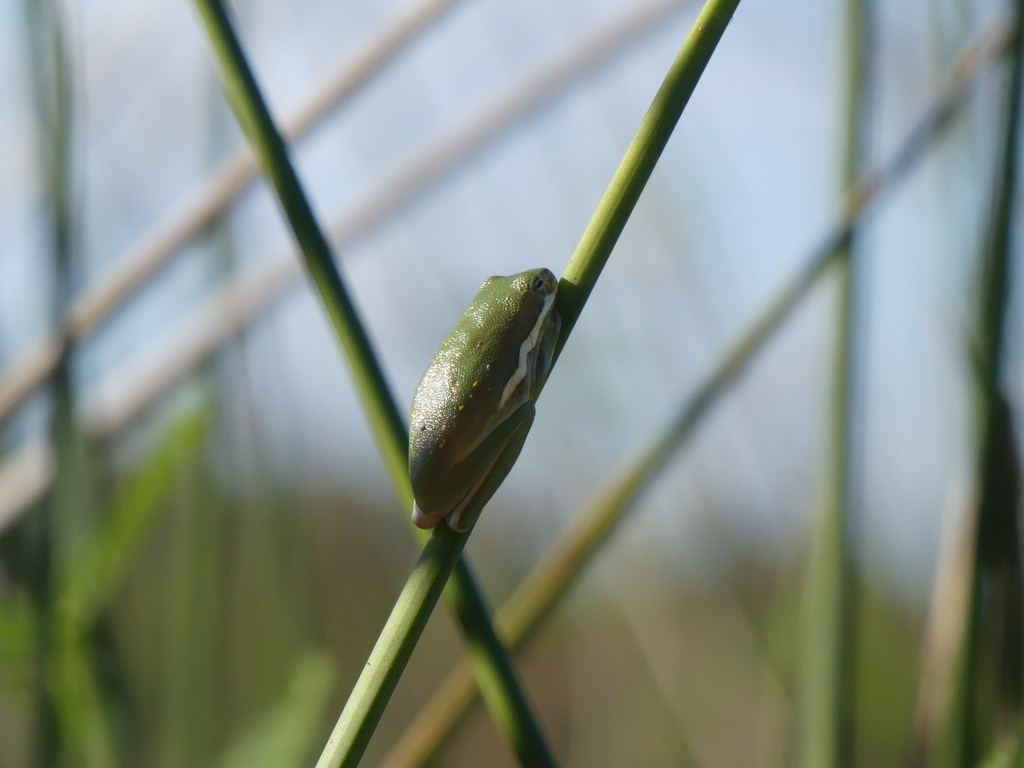
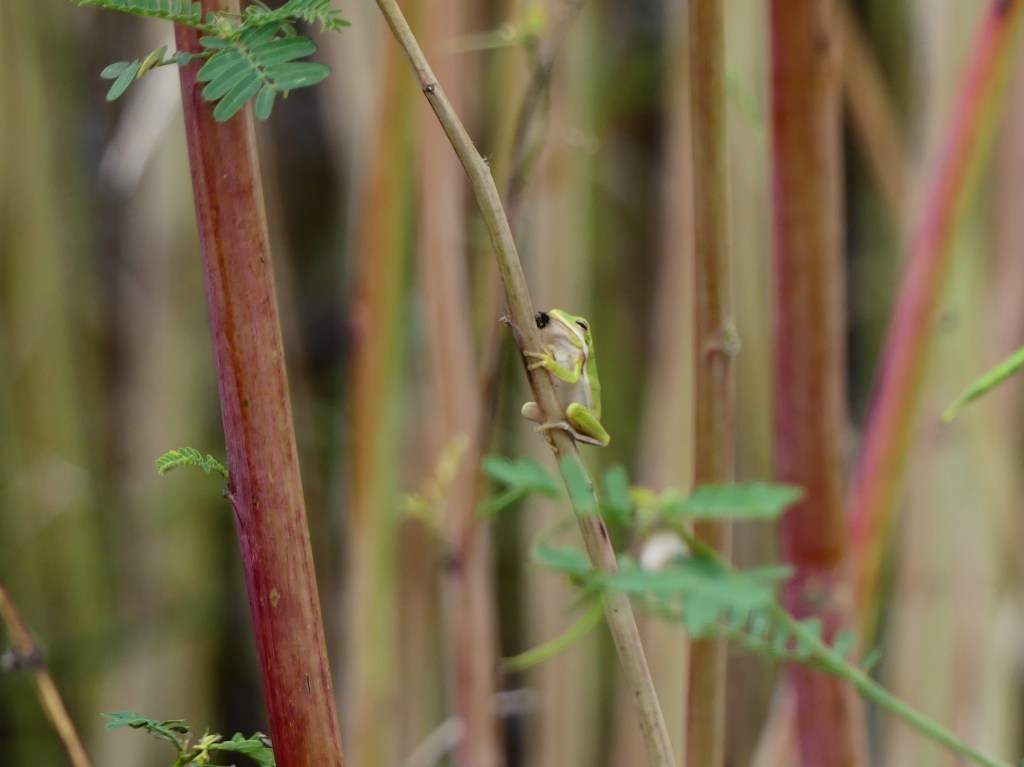
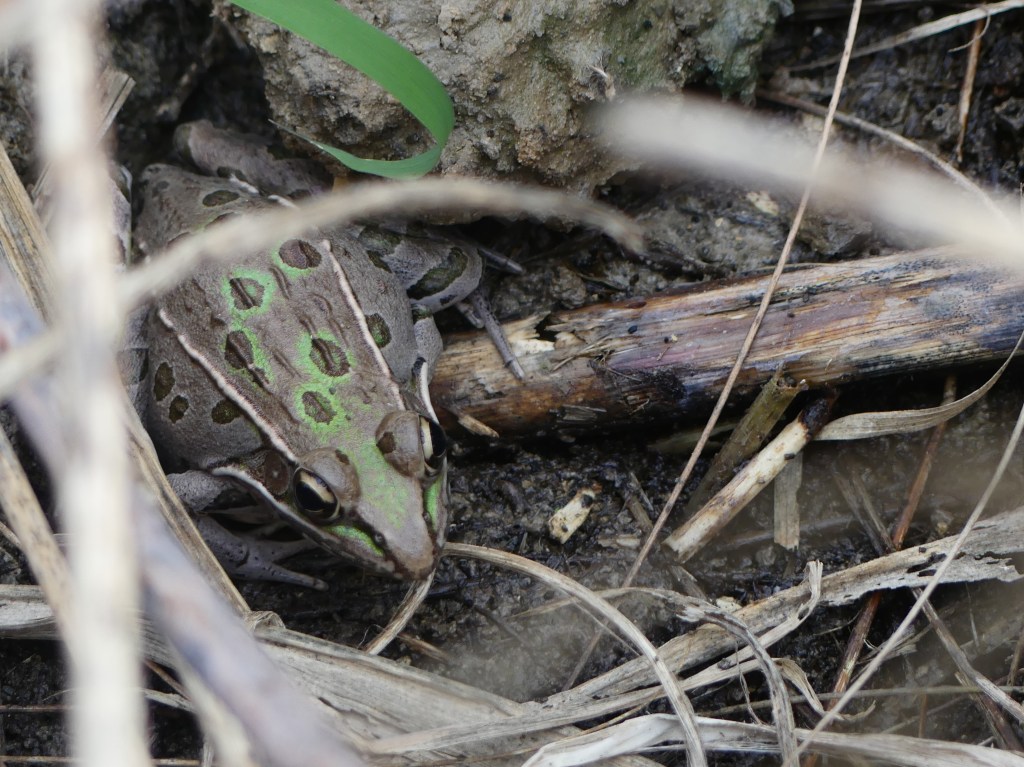
Toads have relatively dry, warty skin, shorter back legs compared to most frogs, and often live further from water than frogs. Most frogs, on the other hand, have slimy and fairly smooth skin and longer back legs – they can leap where toads only hop. Both frogs and toads are dependent on water or moisture and often live near the water’s edge or in places where there are moist refuges. Toads may live in fairly dry habitats like prairies (a few live in the desert). Frogs don’t have to stay right beside the water; at night in some places we might see leopard frogs or bullfrogs wandering some distance from the nearest creek or pond.
Frogs and toads have a “seat patch” of skin that easily absorbs water and that is how they drink! Many toxins can easily cross an amphibian’s skin, making many of them particularly sensitive to pollution. (Do not handle them if you have chemicals such as insect repellent on your hands.) On the other hand, frogs and toads secrete various toxins from their skin, which helps protect them from infections and in some cases may help protect against predators. Most frogs are completely safe to handle, and none will give you warts! However, do not rub your eyes or get your fingers in your mouth after handling them. The skin secretions of toads can result in a burning sensation if it gets in your eyes.

The males of the various species of frogs and toads “call” to females during breeding. This often takes place in the water of ponds and creeks, because when a female approaches a suitable male and they pair up, she will lay eggs in the water as the male fertilizes them. The calls of frogs and toads are a little like bird song, in that different species have different calls and an experienced listener can identify the species by listening to the call. A very good book with audio recordings of many calls, is The Frogs and Toads of North America, by Lang Elliott and others.
Many frog and toad species that used to be common have become harder to find or even disappeared. In many places, populations of frogs and toads are being monitored to see how they are doing.
Salamanders
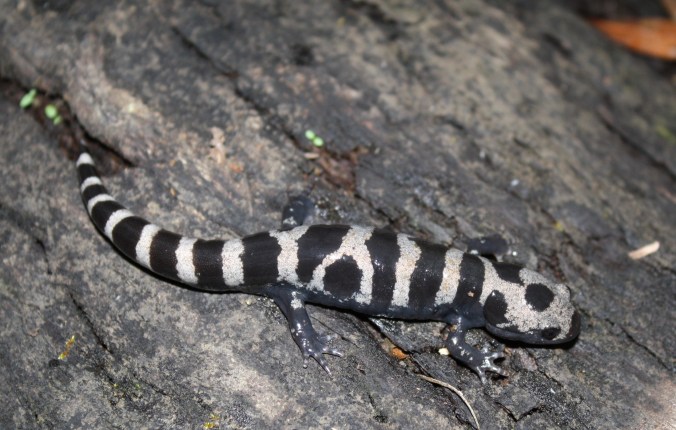
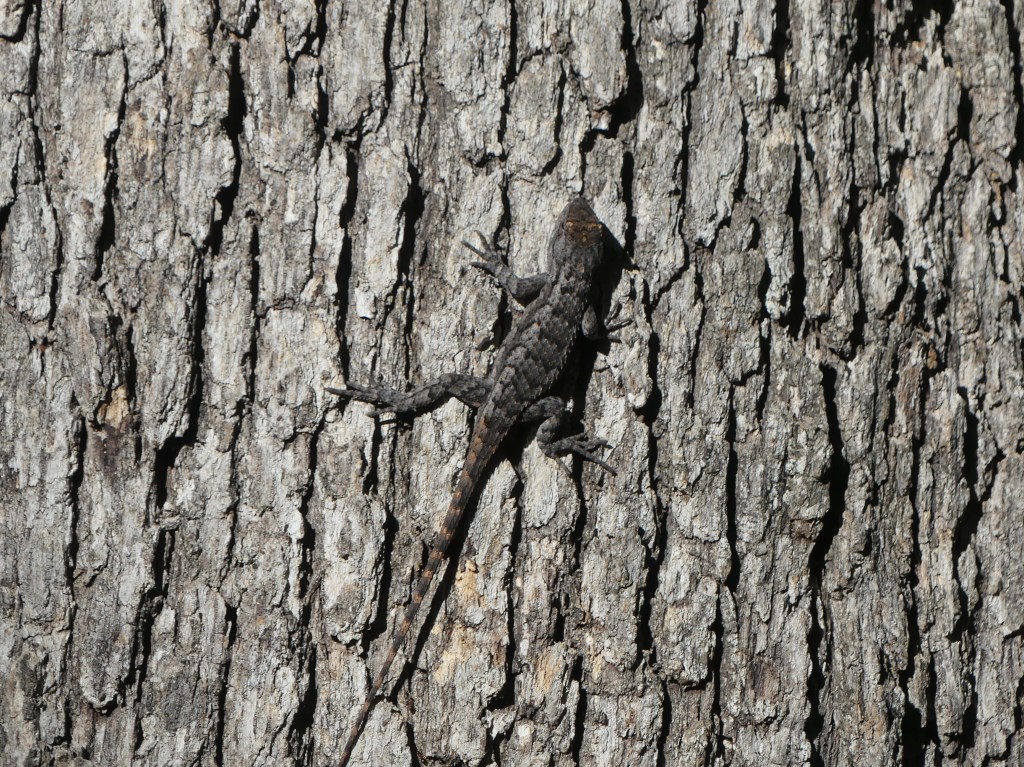
Many of them may look a little like lizards, but salamanders are not reptiles; they are amphibians. They have skin that may feel rubbery, slimy, or slightly rough, but they do not have scales and they can dry out easily. Like other amphibians, most of them start out as eggs laid in water. Instead of a shell, the egg has a clear membrane through which you can see the embryo developing. With a few exceptions like the slimy salamander mentioned above, here is what happens next: When the eggs hatch, the babies are not like adult salamanders, but are larvae that breathe in the water using gills. This is the salamander version of a tadpole. Later, most of them change into an air-breathing adult form (one group, the lungless salamanders, do not have lungs as adults). Some salamander species live entirely in the larval, aquatic form, and these are called “neotenic” salamanders. Neotenic salamanders are not a different kind of salamander, but the term “neotenic” simply describes the fact that the salamander did not change into an adult, air breathing form.
One group of salamanders, called “sirens,” always remain aquatic and do not develop hind limbs. They are long and eel-like. Another group that is always aquatic and whose members have a long body like an eel are the “amphiumas.” Some of these animals, like the “western lesser siren,” are relatively small. In contrast, some amphiumas can reach lengths of over three feet.

Because they depend on healthy wetlands or other habitats that are shrinking because of things like development for human use or drought and climate change, salamanders are in trouble. Like frogs and toads, their skin is porous and they “drink” through their skin. This makes them particularly vulnerable to chemical pollutants in water. Overall, because of pollution, diseases, habitat loss and other reasons, amphibians are disappearing in many parts of the world. See organizations such as AmphibiaWeb for more information. You may also be interested in my book, The Wild Lives of Reptiles and Amphibians: A Young Herpetologist’s Guide, from Texas A&M University Press.
 Our Lives In Nature