You don’t have to be a scientist to engage in nature study. Everyday people go birdwatching, go herping (finding reptiles and amphibians), stay up long into the night mothing (seeing what moths and other insects come to a light at night), and study nature in other ways.
The rewards are not just intellectual. Nature study feeds our sense of curiosity and wonder, our appreciation of beauty and our experience of awe. We are struck by how grand the world is, and we have the oddly reassuring understanding that we are only a small part of something much bigger than ourselves. That makes it easier to assume our proper role as a member of the community of living things.
My childhood fascination with snakes gradually matured into a broad interest in nature study. With good mentoring, an interest in herps led to discovery and appreciation of other species, which led to a wish to understand ecological relationships. And on and on; there’s always more to discover! I hope this page will either enrich your understanding or get you started on your own journey.
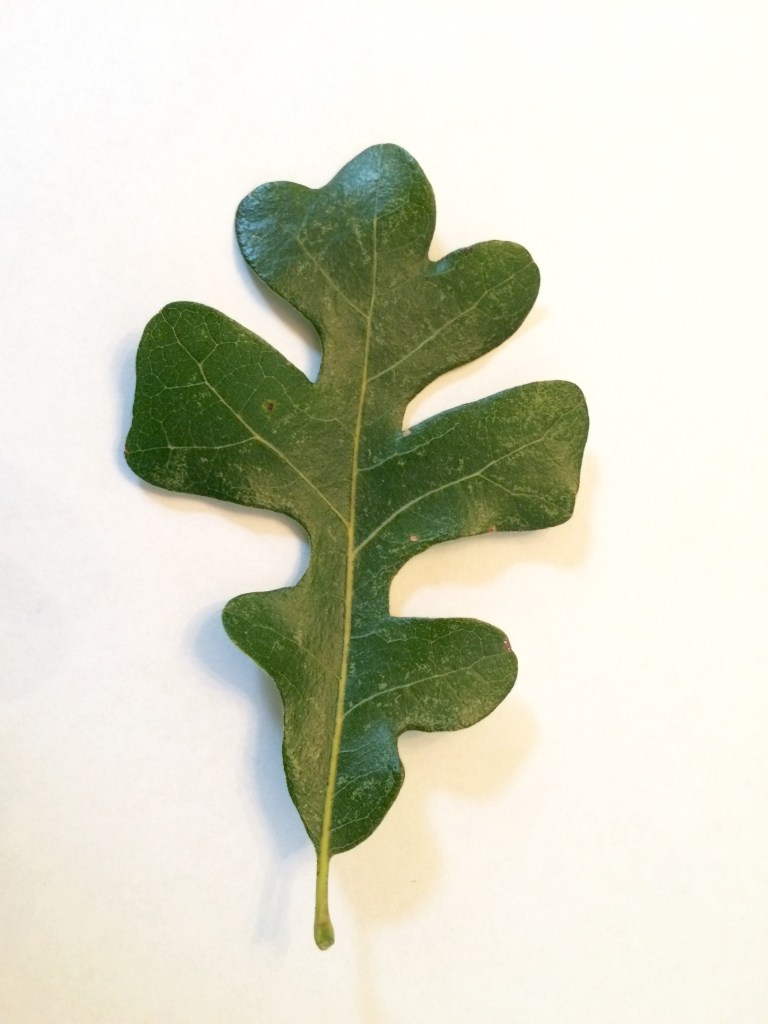
Perhaps the beginning of nature study is learning the names of things we encounter in nature. That tree whose limbs grow at twisted angles, with leaves that have big, blunt lobes, is a “post oak.” The silvery little fish with a hint of blue iridescence that feed along the surface of the water is a “western mosquitofish,” while the slightly longer one with the black stripe along the side is a “blackstripe topminnow.” We begin to categorize things and we recognize kinds of things that we have seen before. The science of biology gives us standardized names that are the same across the world, in cultures that speak Spanish, Farsi, English, Korean, or any other language. Those scientific names also indicate relationships among species. For example, Quercus stellata is a post oak, whereas Quercus marilandica is the related blackjack oak. Both are oak trees in the genus Quercus.
There is a great deal more to it than recognizing things and remembering their names. To study nature, we observe carefully and thoughtfully. When and where did we see this species? What was going on as we observed it, and what were the conditions of light, temperature, humidity, and so on? We try to understand what an animal does in order to eat, defend itself, escape predators and find shelter, find mates and reproduce. We are curious about a plant’s growing conditions, habitat requirements, how it flowers, gets pollinated, produces seed, and so on.
Additionally, observations of different species give us important insights into how they interact. Some of those concepts are familiar; when one species gets nutrition from a different one, to the detriment of that other species, it is a parasite. Even without knowing much biology, we know that ticks are parasites. But there are lots of other ways species may interact. Cattle egrets stay close to cattle or other grazers, feeding on insects that jump or fly as the cattle graze. The birds benefit from the cattle, while the cattle are neither harmed nor helped, and that relationship is called “commensalism.”
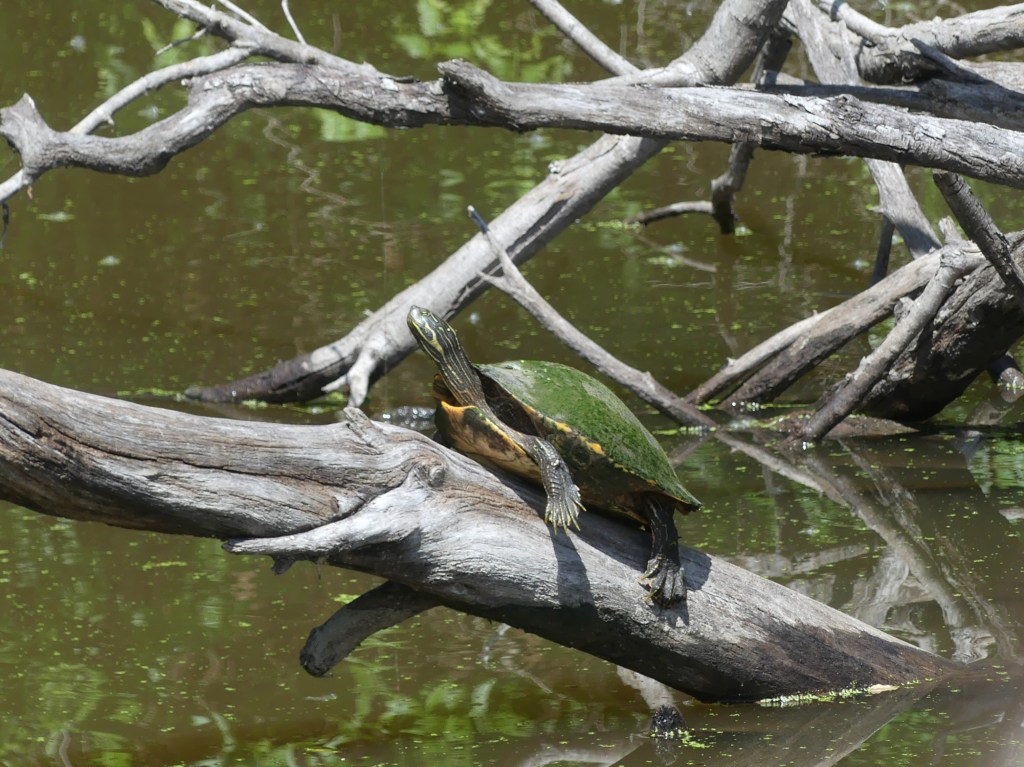
At Sheri Capehart Nature Preserve, the Friends group offers regular walks that center around natural history. I lead walks that we call “Know Your Nature Neighbors,” acknowledging that the species that live at the preserve are our neighbors, and it would be good to have a relationship with them, just as we might with a good and trusted neighbor. We find mosses, flowers and trees, beehives, lizards, birds, and anything else that catches our attention. The Friends of Sheri Capehart Nature Preserve has a Facebook page and the website has an Events page that shows what we’re up to.
If you don’t already, you should know about the Master Naturalist program, with lots of local chapters. Each chapter offers initial training in natural history (I have taught about reptiles and amphibians for several chapters) including plants, animals, and ecology.
Periodically, I offer more advanced training in herp natural history. We cover the characteristics and lives of amphibians and reptiles, including identifying most of our local species. We also discuss ethics and safety in the field as well as the issue of venomous snake bite. Time in the field focuses on where they are found and how to search without harming the habitat. We do not collect during these outings. There is some practice in handling non-venomous snakes and other herps. For more information, contact me.
 Our Lives In Nature