What we learn from observations of nature – the names of things, which ones are predators and which are prey, how they grow and reproduce – that body of knowledge is called natural history. People who study natural history are called naturalists. Some are professionally trained biologists and others are amateurs. Natural history is a huge body of knowledge, and no naturalist knows all of it (and there is still plenty left to discover); we may try to learn broadly or choose a fairly narrow slice of it to focus on.

If you are interested in the ecoregion (in North Texas, Oklahoma, and a little of Arkansas and Kansas) with oak woodlands and prairies, read the first chapter of my developing online book, Naturalists and Nature Kids.
Nature study is a topic I am very interested in, from the perspective of a learner as well as a teacher of some aspects of it. The “Nature Study” sub-page will be a growing resource that I hope you will find interesting.
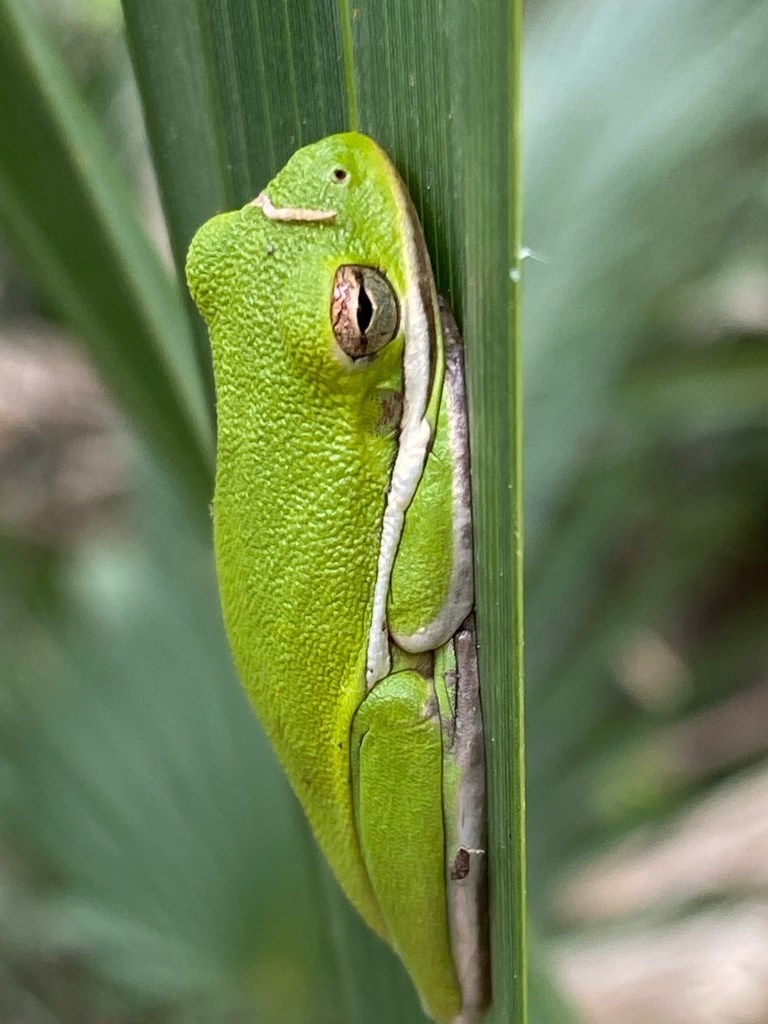
I have been interested in herpetology since, at the age of nine or ten, the girl across the street in Denver introduced me to garter snakes (thanks, Sherry!). My interest in reptiles and amphibians was nurtured at the museum that became the Fort Worth Museum of Science and History, with lab and field experience for which I’ll always be grateful. For some resources about herpetology, including a guide to North Texas venomous snakes and profiles of several herp species, visit the “Herpetology” sub-page.
 Our Lives In Nature