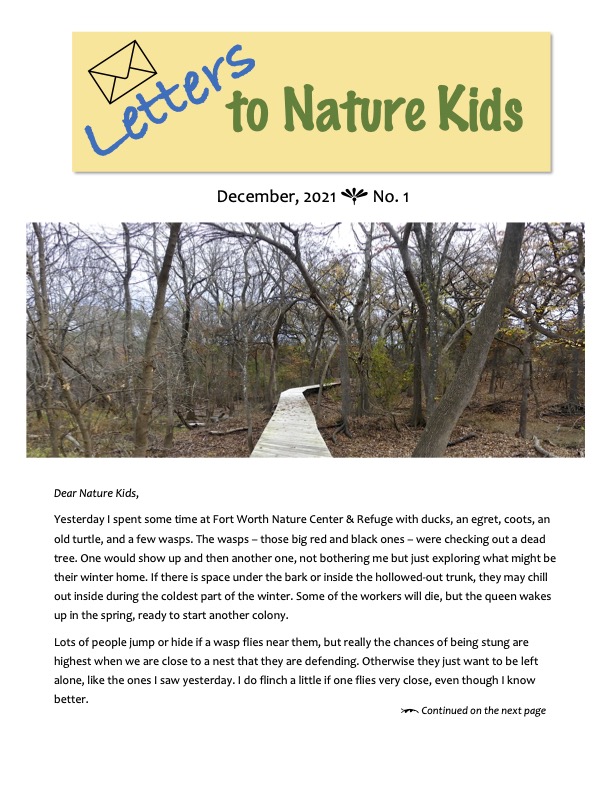
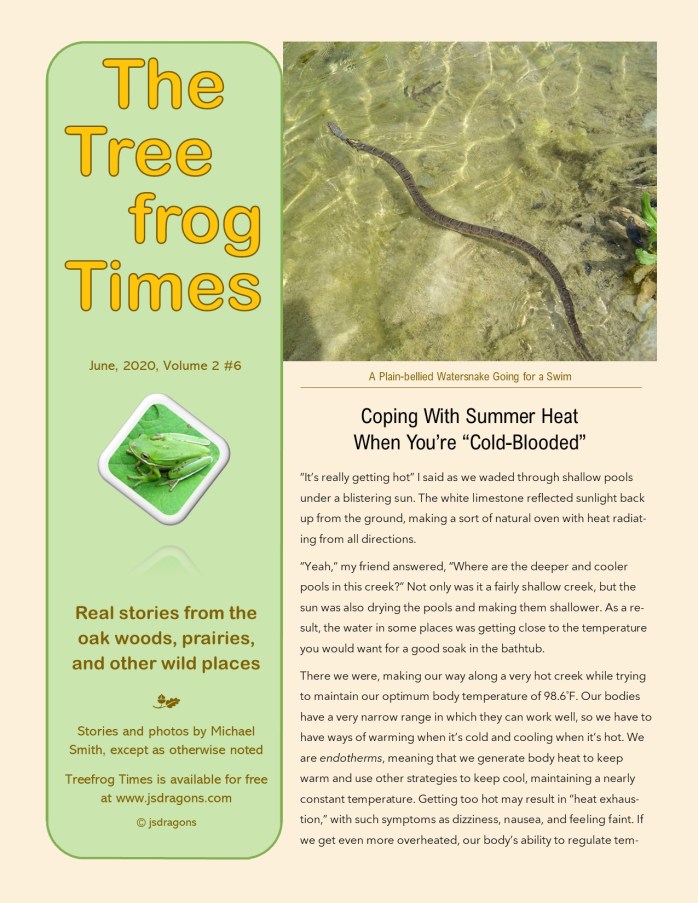
Some of you download and read the Letters to Nature Kids that I write periodically. They’re available within the “Publications” page. I may not post about each one, so they may be overlooked by some who might want to read them. (Parents or teachers might download them and pass them along to kids, but adults read them at least sometimes.) This time I thought I’d put in a word for the Halloween issue.
The first thing I thought about was, of course, how we hijack things in nature, presenting them in ways that make them fearful. Bats, spiders, owls and such. On the one hand, I don’t want to get on my high horse and spoil the fun. I even tried to join in the fun a little by saying: “Bats live in the opposite of the bright daytime world in which we see and hear birds. When people think of angels, they give them feathered wings, but images of demons often have bat wings.”
On the other hand, after Halloween is over, kids should not be left with fears of these things. So I said, “People make up stories, either for fun or as a way to try to explain what they don’t really understand.”
The issue I feel most strongly about is kids (or anyone, for that matter) who take it too far. Halloween should not be an excuse to badly scare some child. I said, “It can be fun to be scared just a little, when we’re with friends and we know the scary thing isn’t real. … Sadly, some people enjoy scaring others because it makes them feel more powerful or stronger than the person that they scared. I’m not talking about kids having fun with each other, I’m talking about a person who enjoys seeing someone really afraid in a way that’s not fun. That’s bullying and it is not OK. Stay away from someone like that.”
If you know someone who might enjoy this Halloween issue, download it and pass it along. And have a safe, fun Halloween!
(For Halloween, I’m sharing a story I wrote some years back, based on a favorite place, a crazy legend of the ‘goat man,’ and those who may get a little too caught up in such stories, crouching over a fire and gibbering to themselves.)
The car windows were down as I crossed the bridge back over Lake Worth, and the Allman Brothers were on the CD player. After all this time, still putting out high-energy rock and roll, with the new release taking me back to 1969 when “Eat a Peach” came out. The wind whipped by as I exited for the Nature Center.
After an autumn day looking for reptiles and amphibians, a group of us had called it quits and headed home. However, once on the road I realized we had not picked up some minnow traps we put out at Greer Island. A minnow trap is a sort of wire mesh bucket with a wire funnel leading in from each end. In the hands of herpetologists, minnow traps don’t catch minnows so much as frogs and snakes. We placed several of them in shallow water along the island’s shore, partly exposed so that anything that got in could breathe. However, I could not leave any animals trapped, and so I was headed back into the Fort Worth Nature Center and Refuge.
As I drove along the road at the edge of the lake, Greg Allman sang:
“Can’t you feel a cold wind is howlin’ down, blowin’ my song?
Well I ain’t an old man, but you know my time ain’t long.”
I thought about the cold wind that would soon be blowing on the refuge as fall changed to winter. Oh well, I was ready for a change. The end of summer had been unusually humid, and cool weather would feel good.
The sunset glow still provided some light as I walked the causeway to Greer Island. The wind picked up, scattering yellow cottonwood leaves to drift down through the remaining light. I felt a slight shiver. The thought of walking around alone on Greer Island in the gathering dark did not bother me, did it? I’ve been on the island many times, and it is as peaceful as any other part of the refuge. Maybe that Allman Brothers line about a cold wind howling down had gotten to me.
On the island, I pulled the first minnow trap up from where it had been nestled beside a fallen tree branch at the water’s edge. Inside was a water snake, its chocolate brown scales glistening as it frantically tried to find a way out. I put on the gloves, unfastened the trap and reached inside. The snake writhed and bit at the glove, with the small needle-sharp teeth barely penetrating to my skin. Although nonvenomous, water snakes defend themselves by repeatedly biting and by expelling a nasty-smelling musk. I wanted to get this done as soon as I could. Just before I released him, up came a small leopard frog the snake had eaten earlier in the day. “More data for the survey,” I thought, as I recorded the details of both snake and frog.
I searched for the next minnow trap with my flashlight, as it had now gotten dark. Pushing through buttonbush and stepping carefully among the deadfall, I squished through the saturated ground to the next trap. When I found it, it was open. This was very puzzling, because the two halves of the trap fasten pretty securely. I looked around, certainly not expecting to see something. No one else should be on the island at night, and besides, it was ridiculous to think that just because the trap was open, someone had opened it.
More wind whispered and sighed through the treetops, and the flashlight’s beam caught the flicker of a few more leaves fluttering to the forest floor. I reached the site of the third trap, but did not see it in the water. I moved the light around and caught a flash of metal. There! Hanging from a tree branch was a tangle of smashed wire dripping in the flashlight beam – the minnow trap! My hands felt numb and the two other traps dropped from my fingers to the ground. Not bothering to pick them up, I turned and walked quickly back toward the trail. I wanted out of there in a hurry. I pushed through underbrush and spider web, resisting the urge to run and trying to keep my bearings. The flashlight illuminated a narrow section of woods, and everywhere else the darkness seemed menacing. Some of the fear dissipated as I walked, and I emerged into an upland area where the woodland was less thick and the image of the mangled minnow trap was less immediate.
Finding the trail, I set out toward the causeway. Just a little bit now, I reassured myself, and I would be walking on that narrow strip of dirt and gravel under the stars toward the safety of the car. The path re-entered thicker forest and I concentrated on the circle of light from the flashlight. I kept it on the trail, unwilling to risk a glance to either side. The dirt path narrowed, understory shrubs and then tree trunks increasingly closing in. The trail ended! I must have gotten turned around, I told myself, but there were no trails on the island that simply ended. I turned, backtracked, and shone the light around. Nothing but oak and understory shrubs around me. Finally it occurred to me to get into the backpack for the GPS. It constantly plotted my path on its screen, like an electronic version of the trail of bread crumbs in “Hansel & Gretel.” I had used it on more than one occasion to help me backtrack through the forest. As I felt inside the pack for the GPS, I heard something some distance away. It was something like the wail of a large animal, rising in misery and then strangled in a series of barking or coughing sounds. I was frozen for a moment, staring stupidly at the flashlight beam shining where I had set it down, illuminating a tangle of greenbrier and Virginia creeper. Another wail pierced the forest, greater in intensity and ending in several guttural cries like shouts of rage.
Snatching up the flashlight, I ran back along the trail and then cut through a small clearing in the direction I thought I should go. My mind raced back to another memory from 1969 – what was it? The Lake Worth monster? A goat-man that had been seen numerous times but never found? The memory was cut short as I tripped over a downed branch and fell. I picked myself up and tried to run again, but a snare of entangling greenbrier brought me down like a staked dog reaching the end of its tether. I made a bleeding mess of my hands trying to pull the tough, thorny vines away and then finally yanked free. Back on my feet, I set off in a blind panic, the GPS lying useless in the dirt somewhere behind me.
I’m not sure how far I ran, and I’m even less sure of the direction. As I staggered breathlessly up to a higher elevation, the roof of a small pavilion came into view. My heart sank. This structure, with its concrete slab and two protective walls, was far from where I wanted to be. I took a few more steps up the slope, and saw the glow of a small fire burning on the concrete floor. The fire itself was obscured by someone or something sitting with its back to me.
I hesitated. The figure poked the small fire in front of it, without turning toward me.
“Ain’t no gittin away, try as y’might.” The high, thin voice spoke as if we were in mid-conversation. It had some of the hard edge of a threat, but the unsteady quality of a man barely containing his excitement, or maybe fear. Still I stood immobile, wary of doing anything.
“Sit right still, he’ll come,” he added, while drawing distractedly on the concrete with his stick.
I turned and ran, and after me came his high, unsteady shout: “Ain’t no gittin away!” And as if in answer, over to my left came another screeching cry, clipped off and followed by two short bellows of fury. I heard a large branch snap, up in the treetops. I turned and focused the light to see a large figure in the trees, eyeshine reflecting back at me. And then it dropped straight out of the treetops and out of sight. Running away from it would take me away from the causeway. My way out was blocked.
I crouched by a log in dense brush, waiting and trying to think. Bits and pieces of old news accounts returned to me. In 1969 there had been a series of frightening encounters with residents describing something half-man, half-goat covered with light gray fur and scales. Once it was said to have jumped out of a tree and onto a car parked at Greer Island. On another occasion, several bystanders at Lake Worth watched it until it supposedly hurled a car wheel (tire, rim and all) 500 feet in their direction. The mystery had never been solved.
My thoughts were shattered by a voice right beside me – “Ain’t no gittin away, told ye.” I jumped and fell backward in leaf litter and twigs, and when I was able to sit up I saw the old man from the pavilion. His eyes were too wide open and they darted around, not really connecting with mine. He had a desperate look about him, and he was covered with filth. As I started to say something, he swung a bag with something heavy in it, like gravel, and clubbed me.
In my next moment of awareness, I was slung over his shoulder watching the ground go by as he carried me. My wrists were bound. My captor was muttering crazily, “Billy brekkist, Billy lunch, he’ll come, oh yes.” We reached the pavilion and he put me down, and then set busily to work tying me to a support pole. Here and there he paused to look at me with a sick grin that exposed broken teeth and receding gums.
He sat down beside the flickering little fire and looked at me expectantly, as if waiting for some sort of performance. Away and to the side, I saw lightning flash on the horizon.
“Billy! He’ll come – oh yes oh yes. You’ll see.”
In the nearby woods, another wail – chopped, at the end, into staccato yells. The old man became agitated, gibbering “Billy, Billy, Billy, no gittin – no!” He backed away and stumbled into the darkness, eyes as big as saucers.
Why did he keep repeating that name? And suddenly it hit me! It was the children’s story about the goats who try to cross the bridge where the troll lives. I was the bait, and he was going to catch his billy goat.
I exhaled as far as I could, rolled my shoulders forward, and dropped down. The first loop of rope slipped, and I started working out of the bonds that held me. My captor flew into a rage, squealing “No gittin, no gittin!” as he jumped back up onto the concrete. As he got close enough, I kicked him away. I slid further down, escaping more of the rope and then was able to get free. My tormentor made another run at me, screeching “No gittin! No – no!”
Just then, an enormous form jumped in front of me, hitting the old man with such force that they both rolled ten feet away. There was a sickening sound of snapping bones. I looked toward them and in the dim firelight I got a glimpse of fur and horn – and a head turned and stared at me for an instant with the horizontal slitted eyes of a goat.
I leapt away from this horror and ran through the woods, branches and vines slapping me as I went. Somewhere I found the trail and was able to go faster. Behind me a long wail arose, riding on a gust of wind. Lightning flashed. I was aware of noise in the treetops, but could not tell if the trees were disturbed by wind or by some terror pursuing me. The trail widened and big raindrops began to spatter down among the leaves. I followed the bend in the road and emerged onto the causeway.
The rain came down in sheets as I reached the car and got in. As the cold wind blew through the treetops, I made my way out of the refuge. I could not get the old man’s shrill voice out of my head as I drove along Shoreline Drive. I had not gone very far through the heavy rain when a gust of wind blew something onto the road in front of me. I stopped the car and leaned over the steering wheel to look. It was a minnow trap.
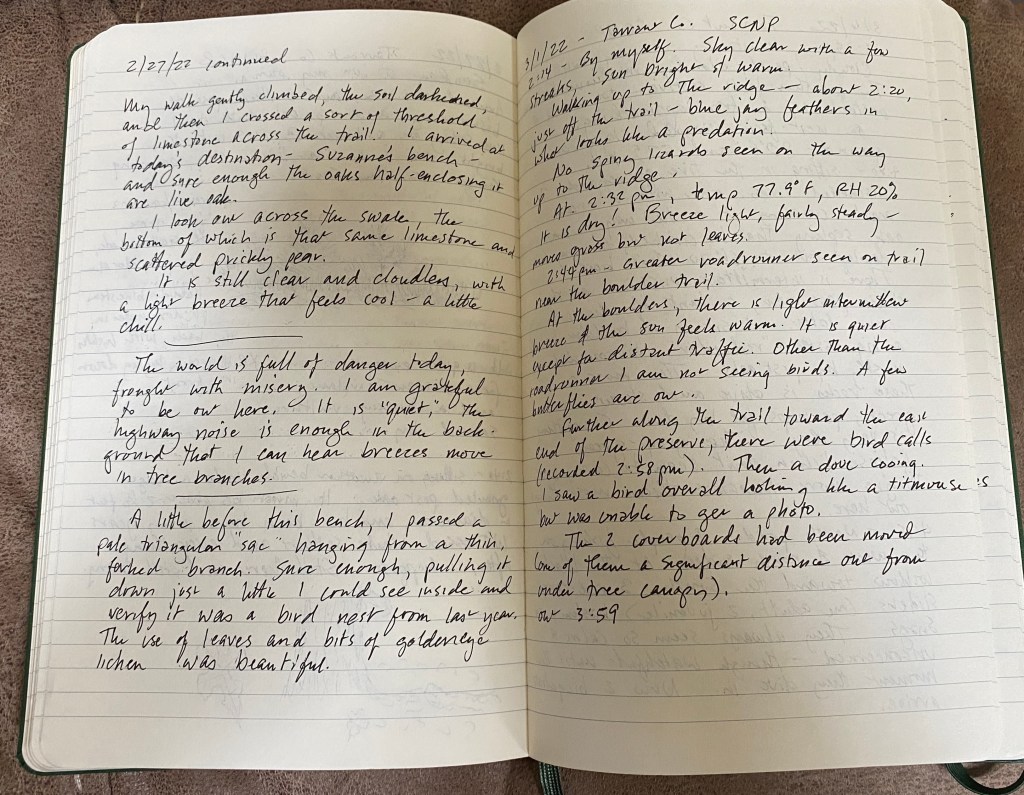
In a talk about ways of being in nature, someone asked me if writing in a nature journal might make the experience too much about him. I hadn’t considered that question before and struggled to answer. On one level, the answer was clear to me: No, what he writes about the time he spent in nature would not be self-centered. But his question deserves more thought, as it helps clarify what a nature journal is for. It might help us decide whether and how to keep a journal.
I had mentioned that I started out keeping field notes as I had been taught by biologists. County and state, date and time, species, age class, sex – a very terse style of recording data that might accompany a specimen as it was catalogued into a scientific collection. We, the observers, had no place in those notes beyond the listing of our names. Years later, looking back at such notes might give information about where and under what conditions I found a particular kind of lizard, but it would convey little or nothing about what it was like for us to walk across a rocky ridge in a particular place in Texas.
Journaling, as most of us understand it, involves a more personal account of time spent in some place. There are more incidental and subjective details of how the sunshine felt, or the yipping and howling of coyotes as the last of a sunset faded to darkness. Subjective impressions are welcome, perhaps exploring a sense of solitude and what it means for us.
In the talk I had also emphasized that journaling makes it more likely that we will recall our day in nature in more detail. As we write (or draw), we think about and visualize again what we saw. It’s the same sort of thing we would do if we wanted to commit something to memory. Bringing sounds and sensations back to awareness, telling ourselves the story of what we have just experienced, weaves together a pattern of brain activity that can become part of our long-term memory. Even if we never looked at the page again, chances are we would remember the day with greater richness.
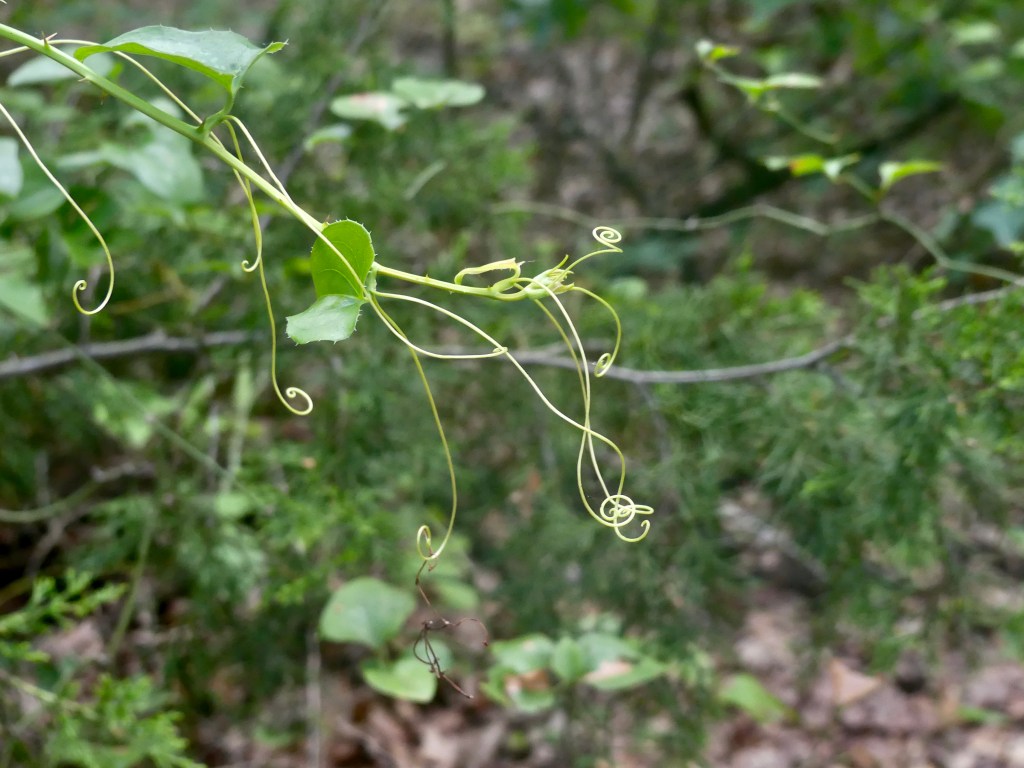
So with that in mind, maybe the journal is, in part, something we do for ourselves right then, while we are still in the woods or on some rocky bluff. It’s not a way to look back years from now, but a way to process the experience for ourselves while it is in front of us. By “process” it, I mean to reflect on it, sort out what happened, and sift through its meanings. Even a short walk may bring up meanings for us to consider. Walking through a small preserve, I was struck by how the delicate curling tendrils of a greenbrier reminded me of some elvish scripts in Tolkien’s work. Another time in the same place, I thought about my dissatisfaction with the nearby highway noise and how it contrasted with a mindful acceptance of my walk just as it was. Such issues may be small, but sometimes they add worthwhile perspectives to our understanding of the world and how we live in it.
I said that in one respect, writing in a journal is something we do for ourselves, so we return to the issue of whether it would make the experience “all about me.” Would it? I don’t think so, if that means a self-centered focus with no room in the story for anything but us. I think the question I was asked was really about the opposite: whether, in an account of trees, grasses, insects and clouds, there is room for us. Do we belong in the story of our walk in the woods?
When we go for a walk in the woods, what is created is a relationship between ourselves, the trees, the ground beneath us, birds and butterflies around us, and the whole community of life in that place. We are, for a while anyway, a member of that community. We may have little physical impact, but we are not a disembodied presence there. We leave the imprint of our feet, perhaps eat a few berries, and send a few animals into hiding or draw them out in curiosity. We exchange with the plants the gasses we each need for respiration. We receive experiences of beauty and wonder, water in which to wade or swim, paths to explore and places to rest. And this is just part of a wider relationship in which the earth nurtures us and we take care of the earth (or not).
What I’m saying is that we do belong in the story of our walk or our backpacking trip. We are at least temporary members of that community. We might seem like alien gawkers, we who live in the “built” world and arrive clothed in the products of that world. The longer we are estranged from nature, the more it might seem like we are visiting a foreign world, but in some sense what we are doing is coming home. So why wouldn’t we have a part in the story of that reunion?
If we’re fortunate enough to watch a heron stalking a fish or a coachwhip snake effortlessly climb a tree, we would be eager to write about it in our journal. Why not write about our own behavior as we explore or wait patiently for something to emerge? Why not put down an account of how we felt about something, or how it reminded us of some other thing? This might initially make us self-conscious because it isn’t a familiar way of taking notes in the field, and maybe it would seem too self-focused. I think that including ourselves gives helpful context to what we are writing about and helps us reflect on and sort out our experience in a more complete way. It’s a way of telling the whole narrative of our day.
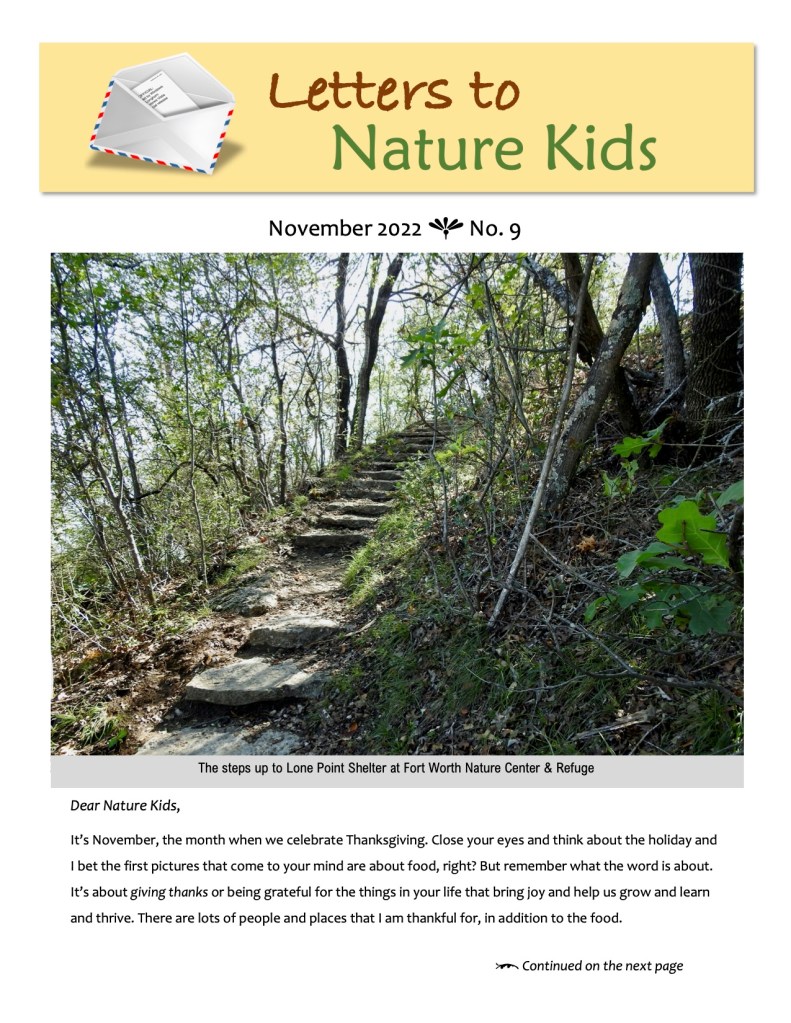
“Nature kids” are those children and young people who appreciate nature and understand its magic. I enjoy writing “Letters to Nature Kids” and offering them to nature kids and their families, and to some adults who may enjoy them as well. This month I wanted to write about gratitude (it will soon be Thanksgiving, and it ought to be Thanksgiving every month). I hope you will download this free issue and share it with anyone who might want to read the letter and see some photos from the Fort Worth Nature Center & Refuge.
I’m adding something new: free, downloadable “Letters to Nature Kids” that I will write from time to time. As I noted on the page for this publication, we “don’t send letters so much any more, but a good letter can feel like part of a long-distance conversation, informal and personal.” The first issue is only a few pages of text and photos, that includes a little information about wasps, egrets, turtles, and trees, without getting in-depth. The idea is for the natural history facts to be incidental to the telling of a story about something (in this case, about a walk I took at Fort Worth Nature Center & Refuge).
We will see how future letters go; they probably will not all be about future walks I’ll take. They might be about a particular kind of animal or plant, or something about how people and nature are related. In each one my purpose will be to “send” a letter to anyone who enjoys nature and would like to share a little bit of it. Readers might be around ten or older – including adults who, like me, can be “nature kids” at any age.
I hope you or someone you know will enjoy it. And I hope you’ll let me know what works and doesn’t work, what topics would be good. Please – write back to me!
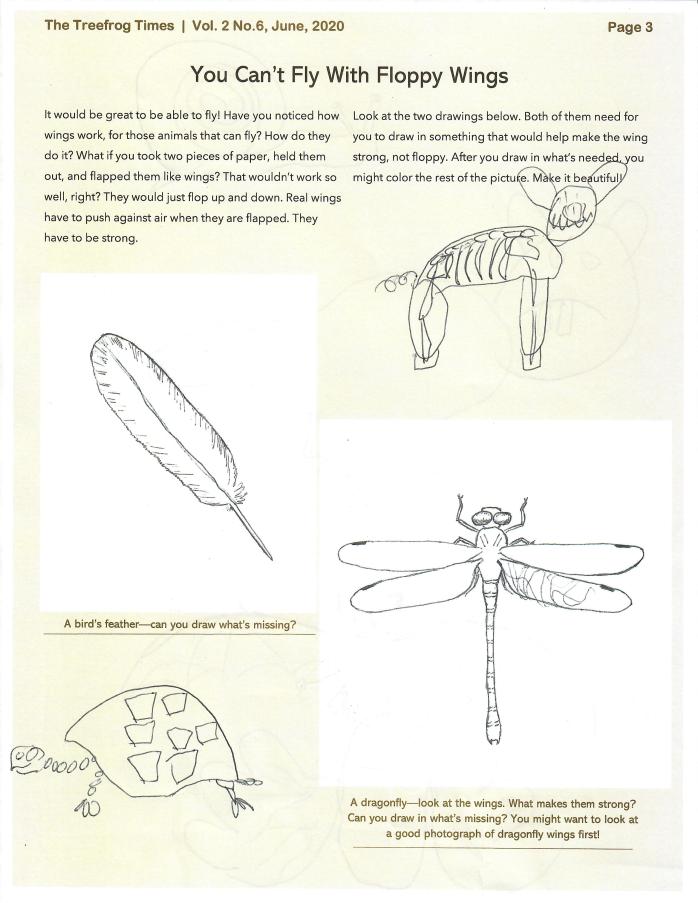
I’ve been busy lately writing and putting together a couple of free downloadable PDF publications, one of which was the June issue of “The Treefrog Times.” In that issue, I wanted to include a little fun exercise for kids to think about what strengthens wings to enable birds and insects to fly. I drew a feather with no central shaft and a dragonfly whose wings had no veins. I said that “you can’t fly with floppy wings” and asked kids to draw in what was needed. Today I challenged six-year-old Elijah (see “Passing the Creek Along to a New Generation“) to figure this one out. It was such fun!
After a quick glance at a photo of a feather, he drew in the shaft, and a look at a dragonfly photo helped him do the same for the dragonfly. Elijah then wanted to challenge me, and he started sketching things to see if I could draw in what would make it stronger. He sketched things like moth wings and a plant’s leaves, easily transferring these ideas about structural strength. Then he sketched a pig and asked me what made it stronger. Strong and not floppy? Well of course – bones! I sketched them in, and then it was my turn to challenge him. I sketched a bat so we could talk about the arms and “fingers” that support bat wings, and I also sketched a skeletal turtle (inspired by the pig) and asked what made the shell strong. He didn’t hesitate a second to draw a series of plates. He might have been thinking about the external scutes rather than underlying bony plates, but that was fine with me – plenty close enough for the six-year-old’s version of a herpetology lesson!
What a blast we had, and his understanding of the animals was strengthened in the process – wow, a bat’s wing is really kind of like a hand?! If you know someone that might have a blast with this, go to the Treefrog Times page at jsdragons.com and download the June issue (the one that starts with an article for folks who are a little older, about reptiles surviving summer’s heat). Have fun!
Over the next couple of years I will be traveling once again to various places in Texas for a new writing project that will also include great photos from my friend Meghan Cassidy. I want to explore ways to connect with nature, what happens to us when that connection happens, and the range of beauty and diversity found in Texas nature.
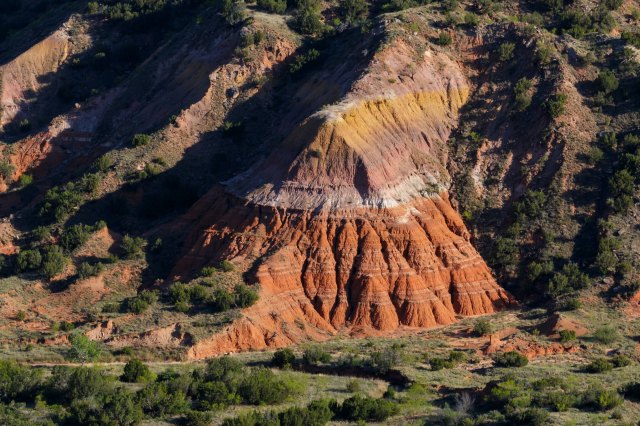
Palo Duro Canyon (photo by Meghan Cassidy)
The importance of nature is a theme that caught hold of me early in life and I’m grateful that it will never let go. When I was in the 7th or 8th grade, I remember reading about a proposed dam that would have flooded portions of the Grand Canyon. I gave a class presentation about it, arguing that the Grand Canyon must be saved. I was a committed nature nerd, then and now.
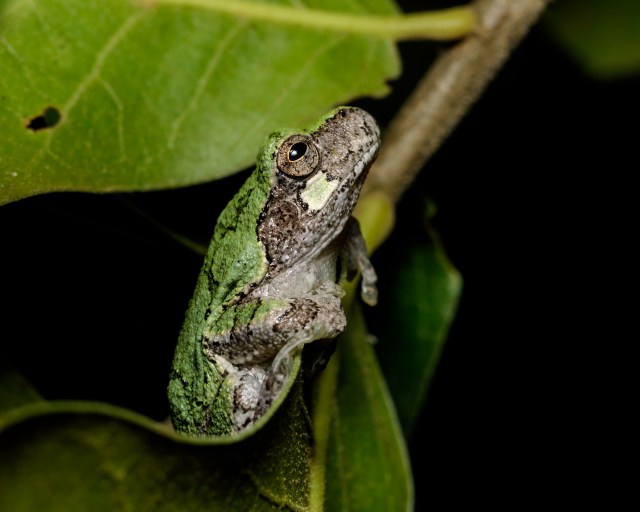
Gray Treefrog (photo by Meghan Cassidy)
Fast forward to the publication in 2018 of Clint King’s and my book, Herping Texas. Yes, we are both herp nerds with lots of stories of rattlesnakes, treefrogs and the like, but the message of the book is, “Look at the magnificent places that exist in Texas and the richness of plants and animals that can give so much pleasure if you get out there and walk among them.” Reptiles and amphibians are the sweet spot for us, but all if it is a breathtaking treasure, and more of it disappears every single day.
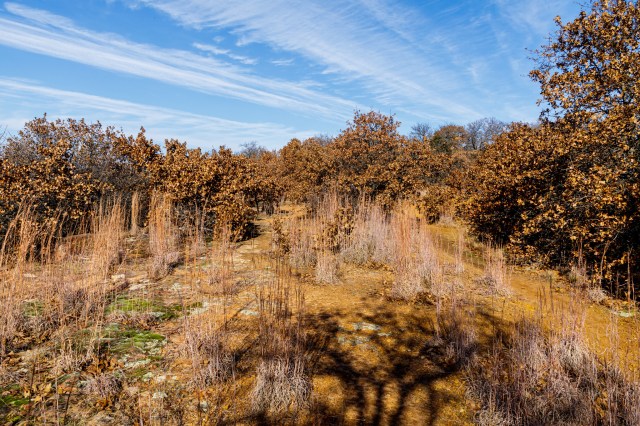
Bluestem and Blackjack Oak at Southwest Nature Preserve (photo by Meghan Cassidy)
Now this year will see the publication of my book, The Wild Lives of Reptiles and Amphibians. As the title suggests, the point of the book is not that pet snakes are cool, but rather that wild populations of native herps are some of the most fascinating and beautiful things you can experience. And further, that the best way to experience them is where they live, in the wild. And not only that, the last chapter is a call for young people “to be a voice for the wild places in this country and the plants and animals that live in them.”
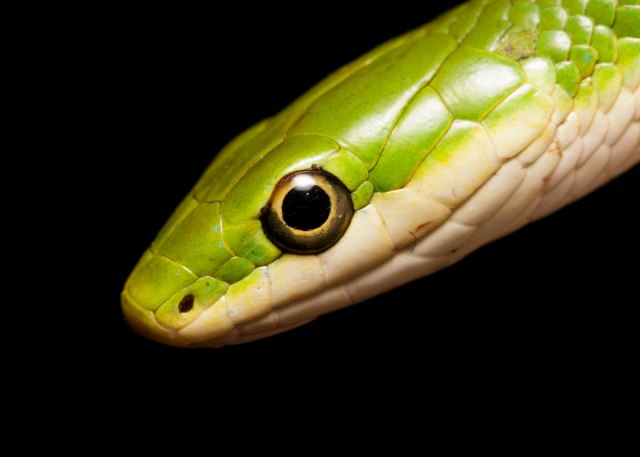
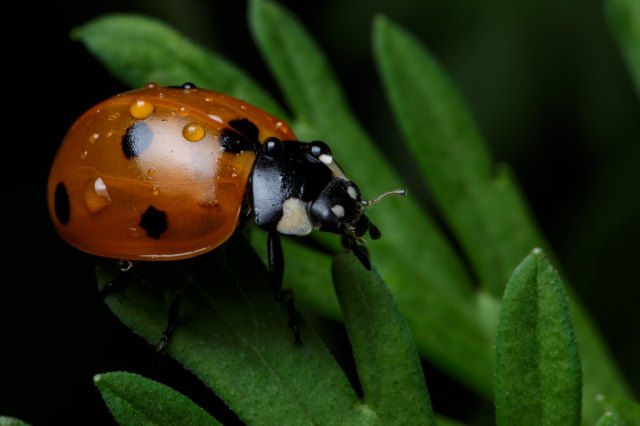
Rough Greensnake (photo by Meghan Cassidy)Ladybird Beetle (photo by Meghan Cassidy)
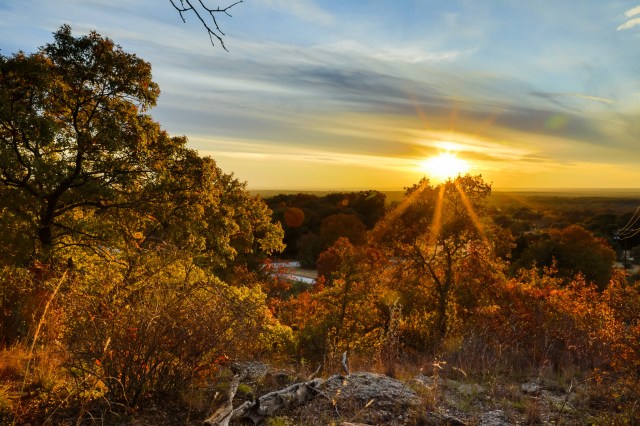
And now there is this new project in which I am teaming up with Meghan Cassidy, a photographer who can capture landscapes and wildlife in beautiful images. We will visit each of the state’s ecoregions, just as Clint and I did, but this time focusing on all kinds of plants and animals and how we can deepen our connection to those places. I will describe the use of mindfulness, nature journaling, and other ways to experience the prairies, deserts, mountains, woods and wetlands. We will include narratives and photos from each of the seasons – bare trees and golden prairies on sunny winter days, the return of spring with its flowers and frog calls, the hot desert summer and cool dark nights in the Big Bend, and the low-slanting sunlight and bright colors of autumn.
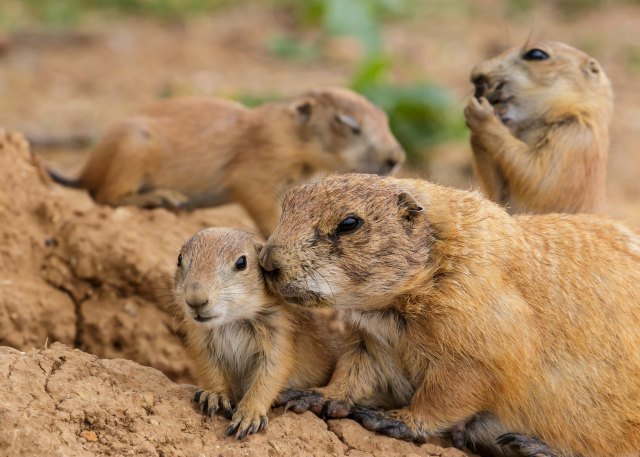
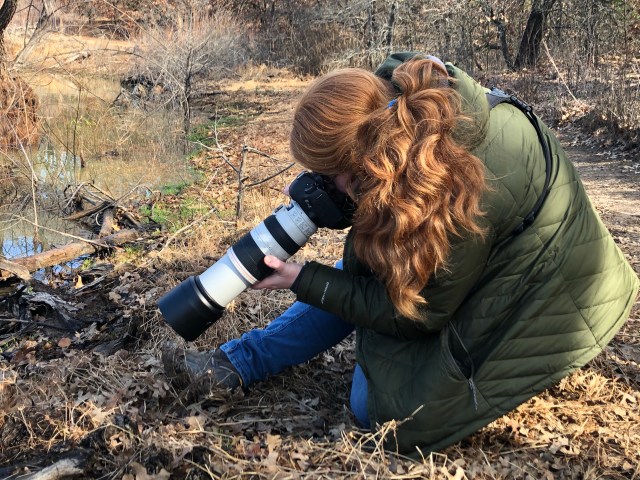
Prairie Dogs (photo by Meghan Cassidy)Meghan capturing a mushroom (photo by Michael Smith)
Time spent in nature is associated with a wide range of benefits to physical and mental health, and I will summarize some of the relevant research. I’ll talk to a few ecotherapists in Texas who are taking people into the wild and include some perspectives based on my own training and experience as a Psychological Associate. While there is no one way to spend time in nature, I will describe some ways that can increase a sense of connectedness and openness to the experience.
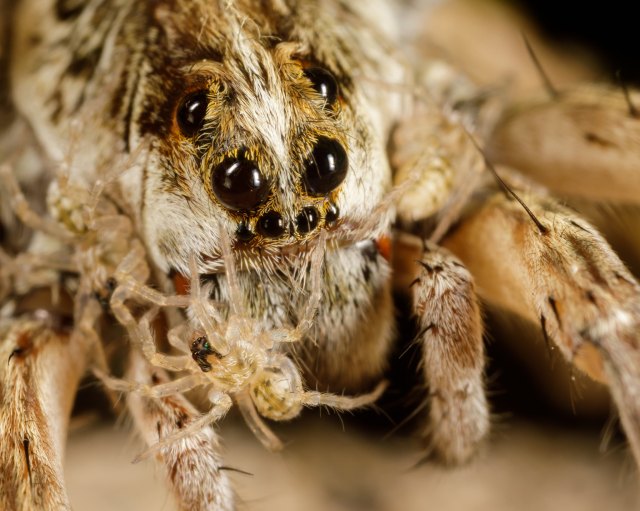
Spider – mother and child reunion (photo by Meghan Cassidy)The ants’ challenge (photo by Meghan Cassidy)
Meghan’s images will speak with their own language about the wonder and fascination to be found in nature. Whether bringing a bird up close with a telephoto lens, capturing a miniature world with macro photography, or laying out the details of a landscape, her photos beautifully illustrate what can be seen in the diverse ecoregions of Texas. Together, I think we will tell the story of Texas nature in a way that will stay in your imagination and, hopefully, inspire you to spend time in some beautiful place, quiet and fully present.
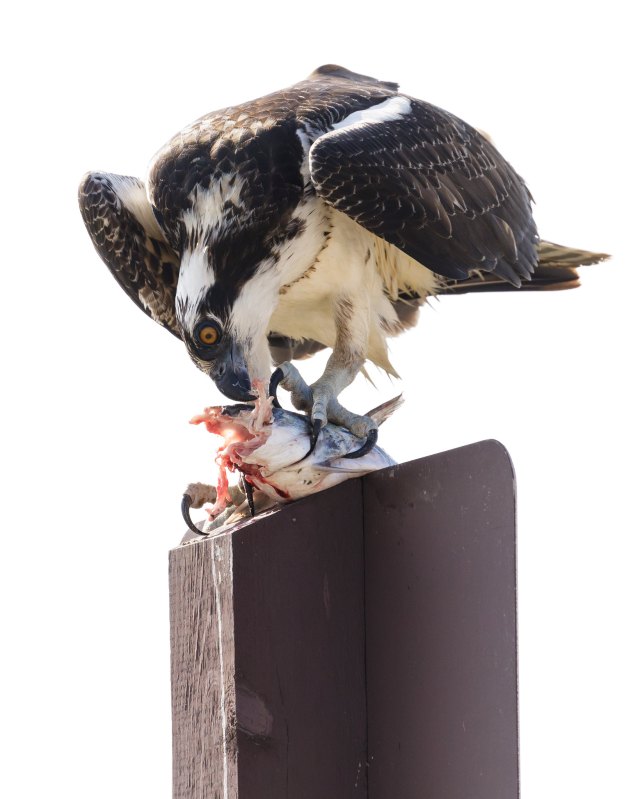
Smooth Softshell Turtle (photo by Meghan Cassidy)Osprey with lunch (photo by Meghan Cassidy)Sunset at LBJ National Grasslands (photo by Meghan Cassidy)
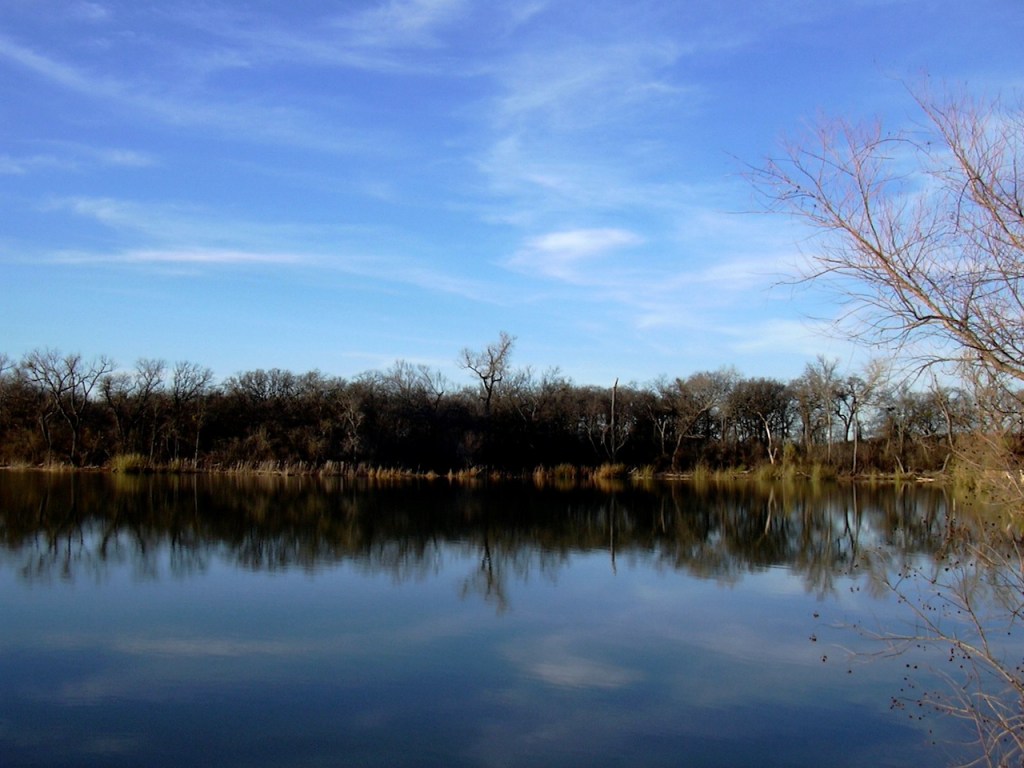
Walking down a moonlit path in the forest, the trees on either side were dark sentinels, dimly seen but keenly felt. They held this place together with an underground network of roots, weaving the soil and rocks of the bottomland into one tapestry of living things. The last season’s leaves gave that fabric its pattern and colors, visible tonight only as shades of dark and light. On the path, in the moonlight, the leaves were edged in a faint silver-blue.
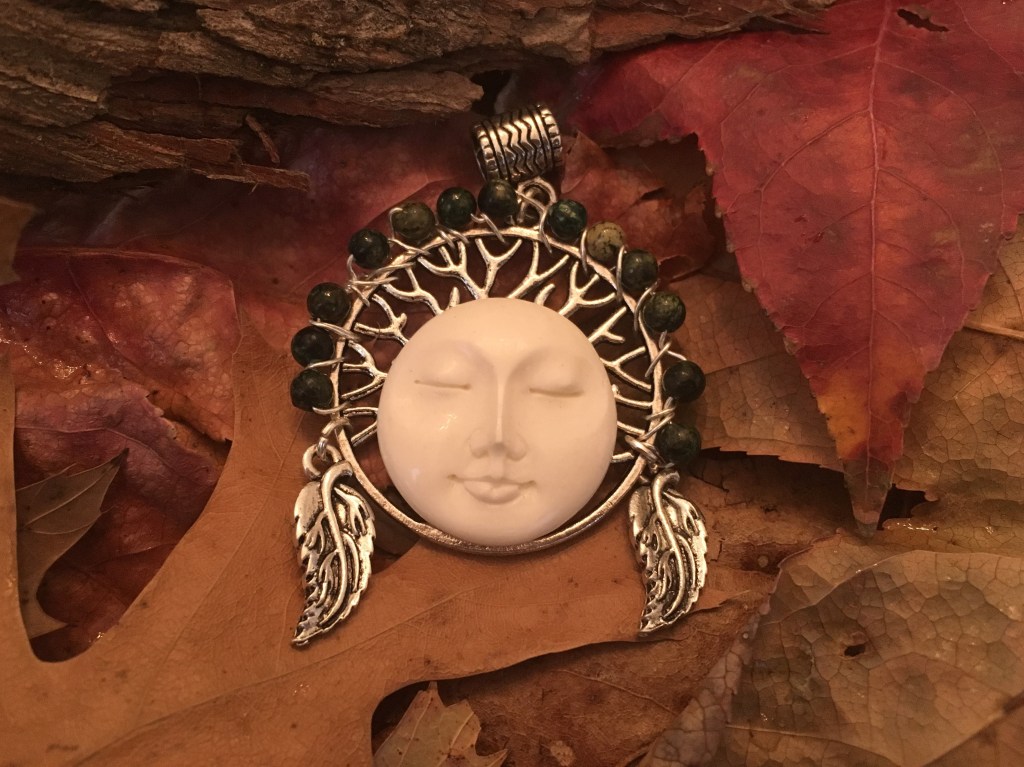
But above the trees, there was light. The moon looked on, her face a pale disc. In the surrounding blue-black sky, an uncounted field of stars shone in frozen pinpoints of light. At the edges of the sky, the trees reached up with bare branches, like river deltas dividing into ever-smaller paths, like the blood vessels of the earth reaching toward the stars.
That field of stars reminded me of a summer night in this very spot when fireflies blinked into existence in the dark forest, three and then twenty, and then more, swirling among the tree branches. It was as if the stars had come down from heaven to dance for a time here on earth, before returning to their cold stillness.
A low, hooting call brought me back to this night. Somewhere in the distance, a barred owl was signaling his presence. The deep quiet resumed for a time, but then, toward the river, there was a sound like the cracking of a big branch. Was it the weight of time, finally bringing part of a dead tree to the ground? A powerful animal, passing through a tangle of brittle branches? It stirred some unquiet thing within me.
Still, the luminous moon sailed in the sky. No sound disturbed her. No calamity could change her serene expression. Paradoxically, in her stillness it was as if she was speaking to me.
“Peace! Do not be troubled. Nothing happens here that is not part of life’s story. Tomorrow the forest will be here, strong and beautiful. Let your troubles go, and see the sunrise!”
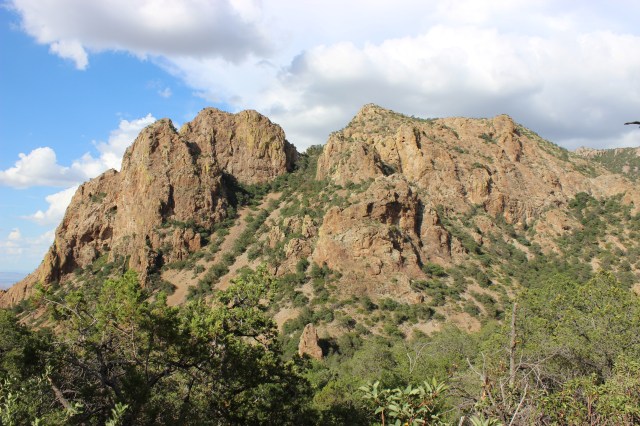
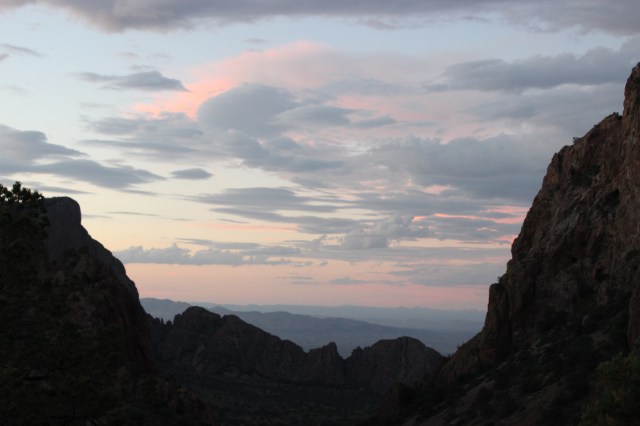
A view from the Lost Mine Trail, in the Chisos Mountains
On June 19 of 2018, I hiked most of the way up the Lost Mine Trail in the Chisos Mountains within Big Bend National Park, and lost myself for a while in the silence and beauty and peace of the place. I wrote the following:
In one of Beethoven’s final string quartets (Op. 132), he wrote a slow, hymn-like movement titled, “Song of Thanksgiving of a Convalescent to the Deity,” expressing his gratitude as he recovered from a serious illness. (An absolutely mind-blowing deconstruction and analysis of what Beethoven does in this incredible movement can be seen and heard here.) It is a profound, beautiful hymn, not sweet or sentimental, but exactly as I imagine how his soul would express what it means to be alive, in the full realization of how easily life could be gone.
I am hearing the opening notes of that quartet movement now, sitting on a bench in the Chisos Mountains. I have not had a close brush with death such as Beethoven had, but I do have deep gratitude for experiences like today’s walk up the Lost Mine Trail. Here, there is a sense of connection and healing of things that are broken, in a sanctuary where troubles cannot reach. No gift could be more appreciated than this.
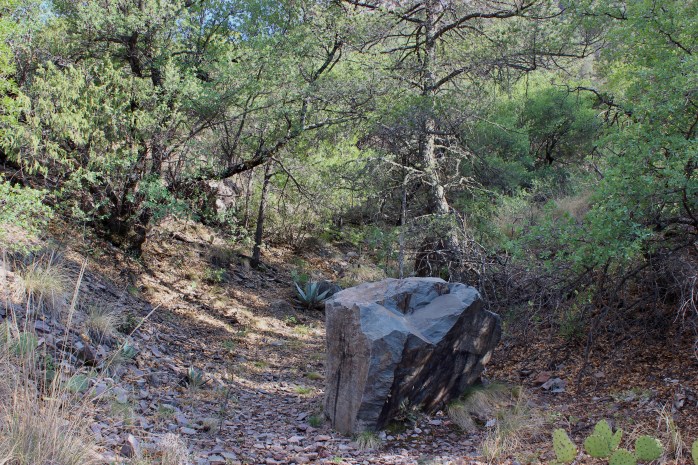
Within the mountain woodland
It is completely quiet except for occasional distant thunder, birdsong here and there, and the beginning sounds of insects here at the end of the day. I keep returning to this theme, how genuine quiet brings such tranquility. That is especially true here in the calm mountain woodland just before sunset. The hikers have gone. Even the knowledge that black bears live on these slopes does not cause concern, perhaps because it is one more indication of how raw and unspoiled this place is.
Here I am, after sixty-seven years still able to climb this trail – not that it is an especially difficult feat – and sit in the silence, watching the shadows lengthen and listening to the song of this earth, uninterrupted by noise. It is a rare privilege in a world that spins and spins, this opportunity to sit still.
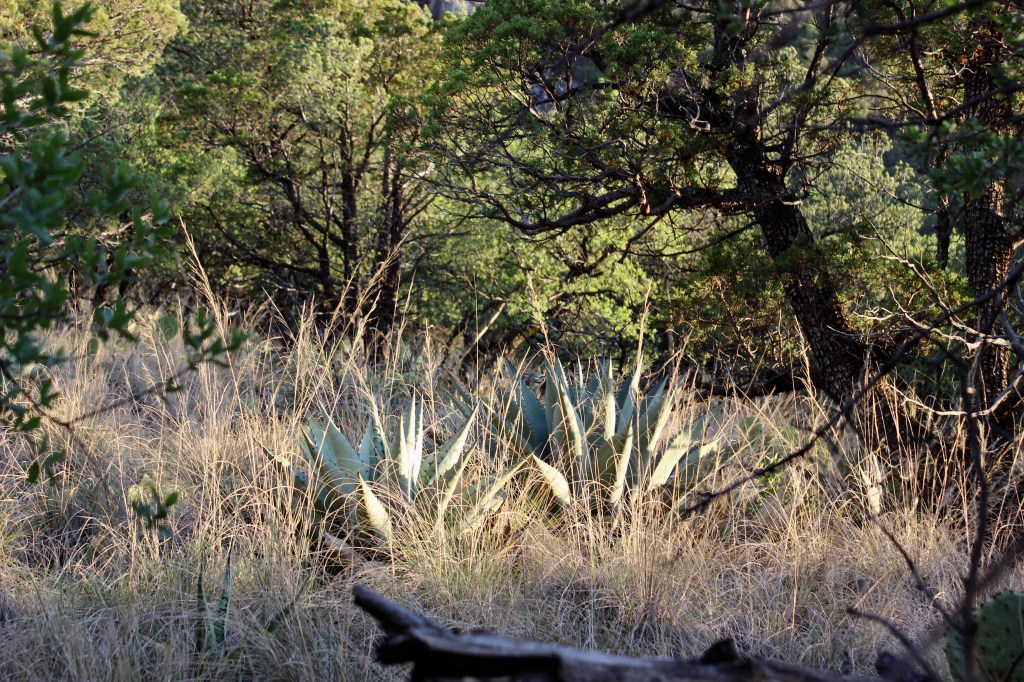
Blue-green spikes of Havard agaves on the mountain slopes
A thunderhead builds, and I watch it expand and drift this way. The thunder is still distant, one of those sounds that can be so relaxing from afar. The long, slanting rays of the sun highlight the tops of piñon pine and Emory oak. A nearby solitary bird trills and occasionally chirps, as the clouds turn rose-colored and the last light glows on the mountaintops. Soon it will be dark, and I will have to go, but I will remember these moments of solitude in the Chisos Mountains.
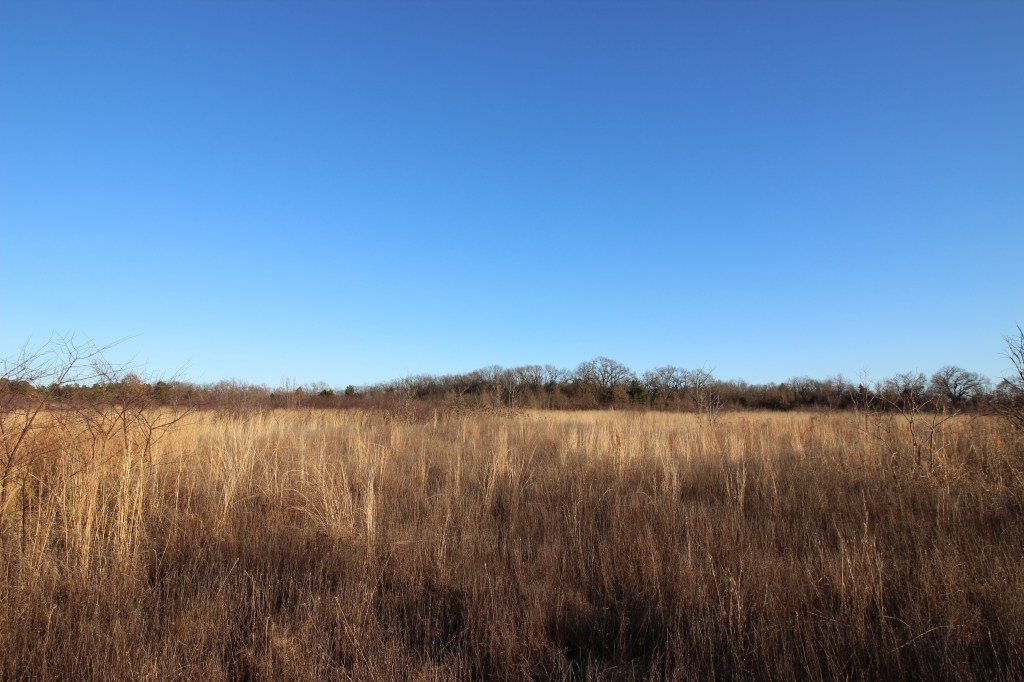
In late January of 2018 I visited Caddo National Grasslands for the first time. I walked through the quiet winter forest alone, enjoying the solitude but also wanting to see the open patches of grassland that I knew had to be there. I finally found it at the end of the day, and later I wrote about those moments:
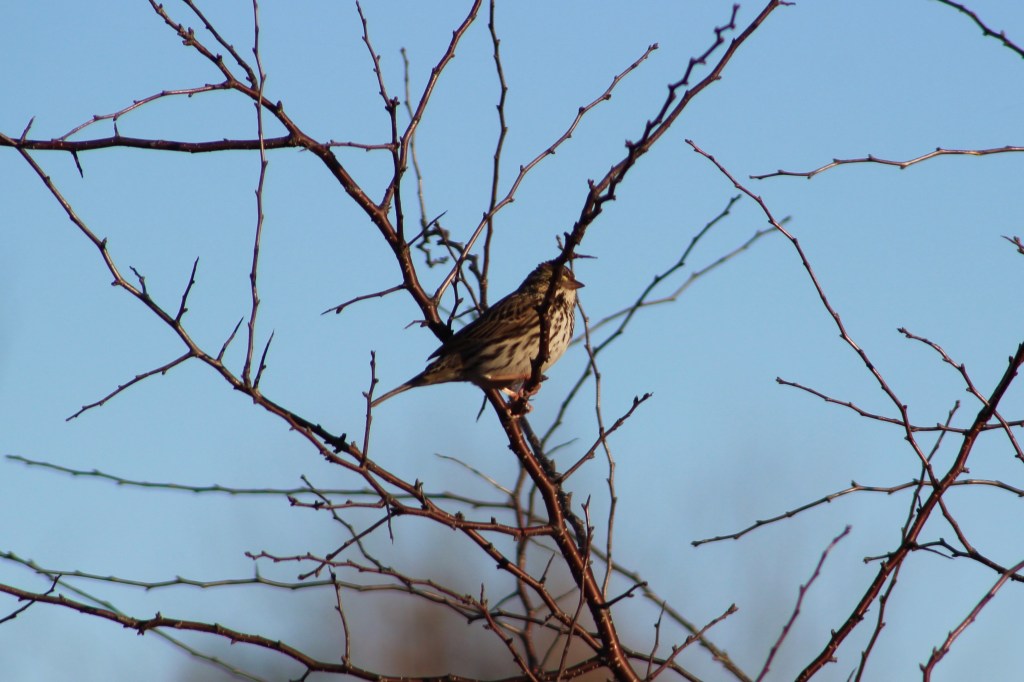
“The sparrows called with their high-pitched ‘stip,’ and dormant grasses crunched as I walked, and such sounds did not have to compete with highway noise or other mechanized sounds. It was quiet, in a way that perfectly framed the occasional bird call. Here was a refuge, a sanctuary in that original sense of a sacred place. Like so many other natural places that have barely been touched by human activity, it was a place where the ‘noise’ of everyday life could be stripped away, down to the experience of the garden in which we originally lived. That garden feels like home, even if most of us would not know how to live there now. It can be a brutal world of predator and prey, unforgiving of accidents or sickness, but in our sprint through the modern world we might be forgiven if we romanticize that world just a little, and want to step away and stand in the late afternoon sunlight and listen to the birds.”
Moments like those are important to me, and worth sharing with others. I didn’t see anything of great biological importance, but I experienced something of psychological, maybe spiritual importance. It might be some individual quirk of mine, that the solitude and golden light in the savannah grassland worked such magic, but I don’t think so. Many other people have similar experiences in nature, perceptions and feelings that transcend the simple reality of grasses and leaves. They may experience a sense of peace and joy, wrapped in that moment and that place. Past and future concerns drop away and for a while do not exist – only the present, only right here and right now.
Savannah Sparrow
This is an example of what is referred to as “mindfulness,” a practice that is now widely used in therapy and mental health. It is not new; it has much in common with meditation techniques that have been used for centuries. A focus on the present moment, letting go of thoughts about the past or future, quieting the inner discussion in which we evaluate what is happening, simply accepting our current experience – these things happen in meditation. You do not have to be out in some quiet, isolated spot in nature to practice mindfulness, but for many of us, nature makes it easy to let everything go and be at peace.
Our connection with nature has been explored by lots of people, in many ways. Famed biologist Edward O. Wilson wrote about the “biophilia hypothesis,” the idea that our species is wired to be attracted to other life as a result of evolution. Researchers are testing how humans respond to experiences in nature, compared with experiences in urban settings. They are finding numerous benefits, in terms of stress hormones, ruminative or depressive thinking, and so on, when we spend time in nature.
In this blog, I want to explore some of these ideas. What does it mean to say that a particular time spent in nature was “spiritual” or gave rise to states of mind that seem spiritual? Are the health benefits of time in nature (such as in the Japanese practice of Shinrin-yoku, or “forest bathing”) real and significant, or just the opinions and testimonials of people who simply want to believe?
I also want to simply share experiences in the field. I have written a lot about the natural history of reptiles and amphibians and I often wear the “natural scientist” hat while writing about nature facts. As important as the objective findings of science are, the subjective experience might be just as important. Words are usually inadequate to communicate the beauty and meaning of these experiences, but I have to try to do so because such things cannot be kept quiet.
I hope you will join me in this exploration, and I hope that you post a comment if something resonates with you or if you have another way of looking at something that can expand the discussion.