Today, Jessica Smith and I had the privilege of talking with twelve people who came to the nature journaling workshop. Jessica and I shared what we knew and participants asked great questions and then headed out to see what they could draw or write about.
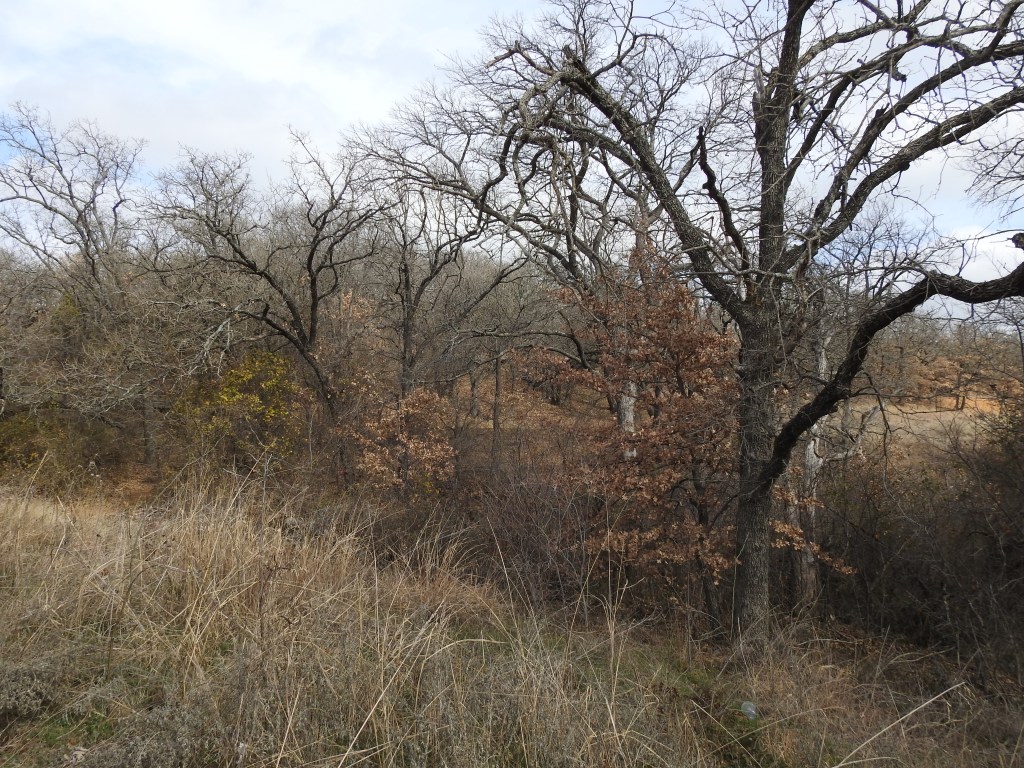
We talked about the connection between nature journaling and mindfulness. I think we all agreed that it helps to be unhurried and pay attention so that the experience can really be absorbed. Our experiences in nature are complex and they involve all the senses, and if we don’t give ourselves time to become aware of all of it, we’ll probably miss a lot.
Another topic was how our experience can be encoded into memory when we really pay attention, think about it, interact with it, or draw and write about it. Otherwise our time in nature may be remembered vaguely, if at all.
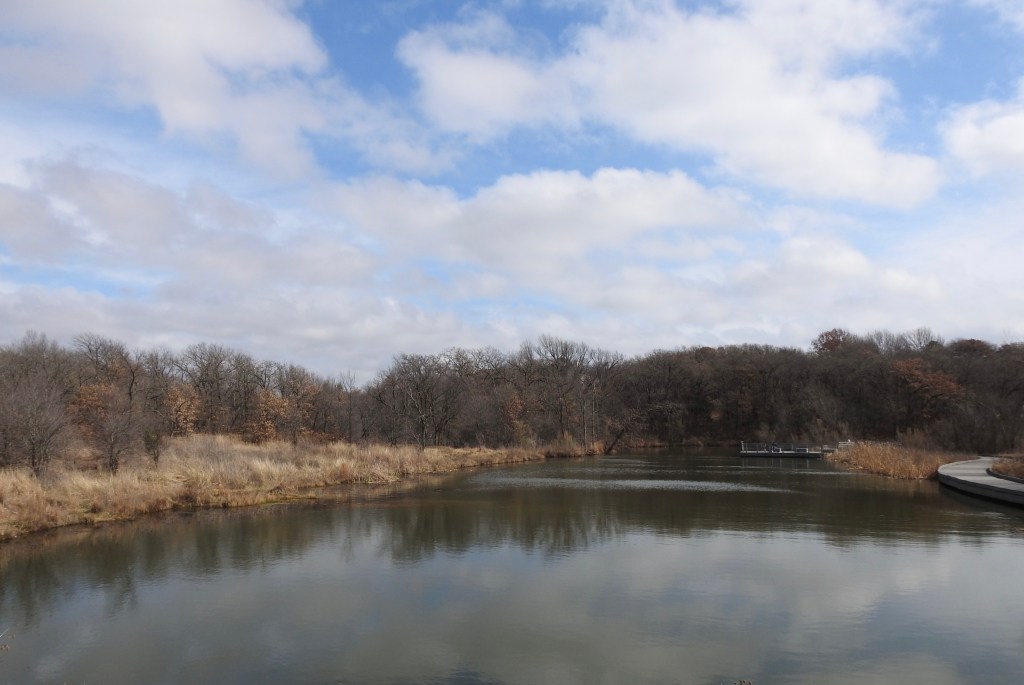
I recalled how I was taught to record biological field notes years ago. When some noteworthy specimen was found, what was the date, time, county and local landmarks? The identity of the specimen, size and gender would be recorded. There was no place for what it reminded me of or what emotions the experience might spark. Such field notes, or our entries in iNaturalist, are very valuable. But a nature journal is a personal record, and subjective impressions are welcome. Your nature journal tells the story of your time in a particular place. It need not be a series of disembodied facts, as if pretending that you were not even present. It’s your story, and you have a place in it.
Jessica talked about the art you can include in a nature journal, how it emphasizes what you are drawn to and how the time you spend drawing pulls you into your subject and connects you more strongly with it. She also commented and answered questions about practical matters. For her, much of what you do in the field can be done with a pencil. Take materials that are practical to use, or else you may not get them out and use them. She talked about a strip of cloth with individual places for pens and colored pencils that can be rolled up when not in use.
Jessica and I both emphasized that journaling should be a flexible thing, and each person’s way of responding to their experience and recording it in a journal is meaningful, regardless of how it is done.
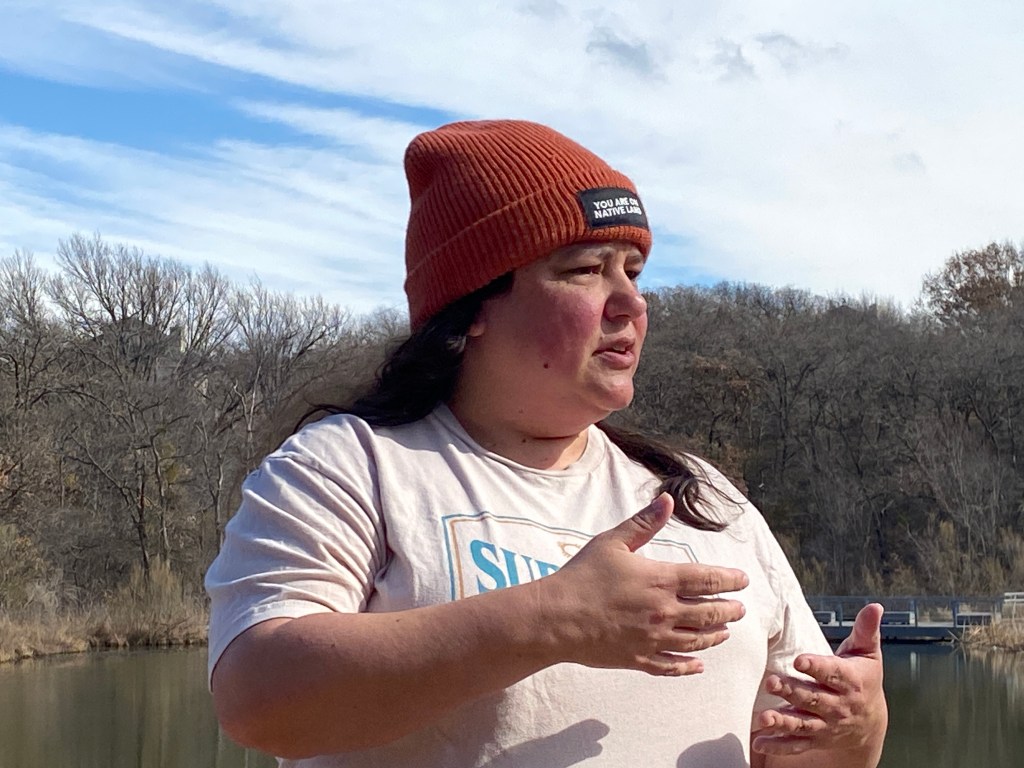
After some time to walk and sit, write and draw, people came back with lots of wonderful results. One person said he typically walks without stopping, and so this time he sat and drew the dried stems, leaves, and flower heads of a plant in front of him, becoming absorbed in details and enjoying things he ordinarily would never have experienced. Another person said she approached today’s journaling in a poetic way, and read a beautiful entry about a sort of conversation with nature about the coming renewal of life in spring.
We were so happy to hear these things, and grateful for everyone’s time and attention. When we asked, it seemed that the group would like to do this again, so watch for another session on nature journaling at the preserve. Newcomers will be as welcome as the returning participants will be.
(See Jessica’s artwork on Facebook at Good Earth Art.)
Discover more from Our Lives In Nature
Subscribe to get the latest posts sent to your email.
 Our Lives In Nature